Clean lines, light, and vibrant colors. Inside Ibiza explores the private homes of artists, architects, and entrepreneurs who have made the island their home—and a statement of personal style
In the 1960s, Ibiza was a hidden destination, known only to a few hippies and artists. A free and wild land, with unspoiled beaches, whitewashed houses, and timeless nights. Then came the clubs and epic parties, and by the 1980s, Ibiza had become the world capital of clubbing.
Yet even today—despite mass tourism, luxury resorts, international investors, and skyrocketing prices—the island holds on to a double soul. For every crowded beach, there’s a hidden cove. For every party that ends at dawn, there’s a quiet home surrounded by countryside. And it’s in these homes that you find the island’s truest essence.
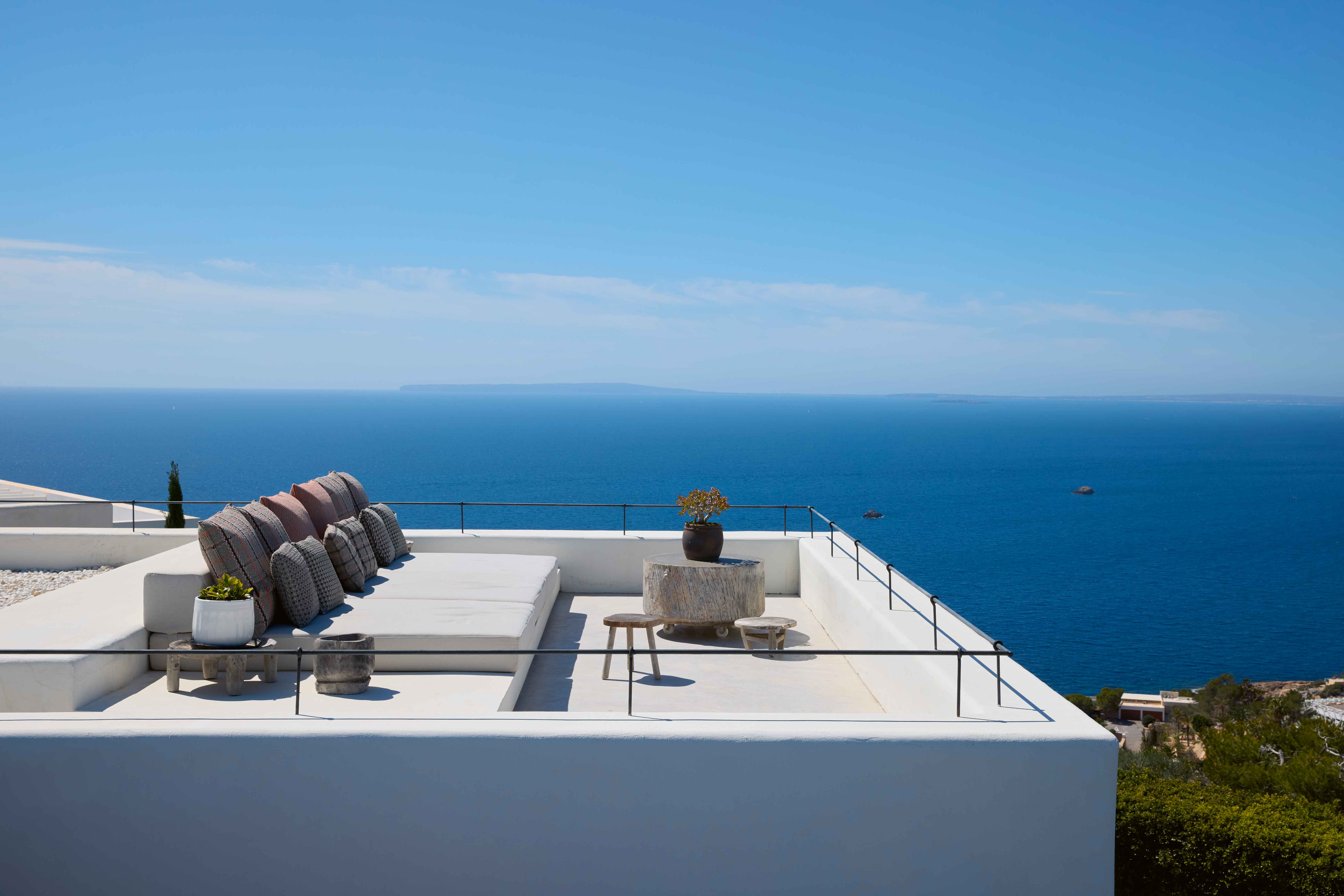
Inside Ibiza by Emma Roig Askari, photography by Ricardo Labougle - Let the sunshine in (Anonymous), designed by Patricia Urquiola
Few people know that Ibiza has inspired some of the greatest architects of the 20th century—Le Corbusier, Walter Gropius, Josep Lluís Sert—thanks to its humble yet brilliant vernacular architecture. Traditional “can” houses, built with local materials like lime and stone, follow simple, modular designs. These structures are both functional and poetic: they respond to the climate, blend into the landscape, and turn space into a perfect balance of necessity and beauty.
This lesser-known side of the island is captured beautifully in the book Inside Ibiza (Vendome Press), with text by Emma Roig Askari and photos by Ricardo Labougle. The authors focus on the island’s private face, exploring interiors that reflect deep, personal lifestyle choices—lived-in spaces with character, far from the mainstream. The homes featured belong to creatives, cultural figures, and entrepreneurs, and each one bears the unique mark of its owner. The interiors mix different styles, international influences, and a constant dialogue with the island’s light and landscape.
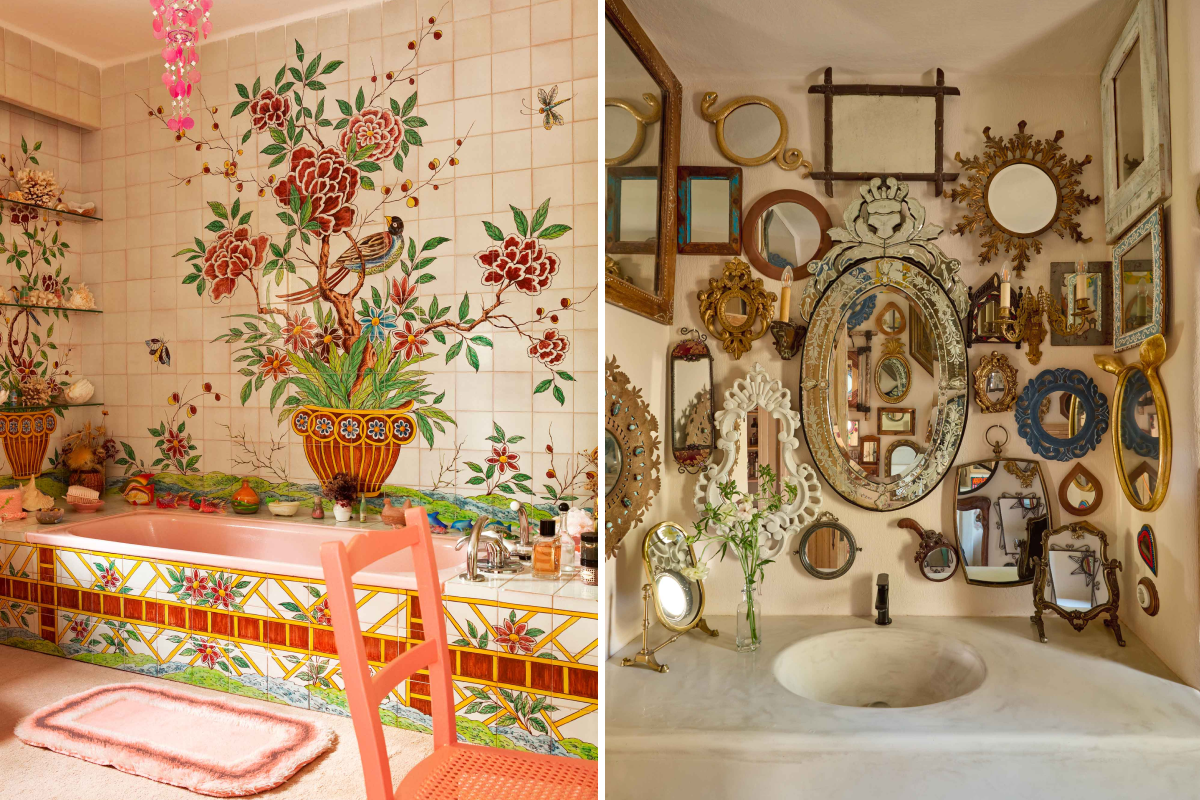
Inside Ibiza by Emma Roig Askari, photography by Ricardo Labougle - sx: A duchess’s refuge, Eugenia Martínez de Irujo, 12th Duchess of Montoro; dx: Party animals, Bobby Dekeyser
Many of these homes are restored traditional fincas or seaside villas—horizontal structures with white walls, open terraces, and courtyards that become true outdoor living rooms. Interiors often combine simplicity and comfort: sturdy outdoor fabrics, vintage furniture from local markets, ceramics, and handcrafted objects come together in a style that feels spontaneous yet refined. One featured home bursts with bold colors—green, pink, yellow, orange, blue—and flowing, curved lines that add rhythm to the rooms. Floor mirrors reflect natural light, and rough textures contrast with elegant touches in a constant play between memory and modernity. Another house, bright white and perched on a hillside with a sea view, blends mid-century fabrics, Roman-inspired mosaics, Arab-style archways, rugs, and objects from around the world—all held together by a calm, luminous palette: soft neutrals, pale pink, olive green, straw yellow. Every choice seems to respond to an emotion.
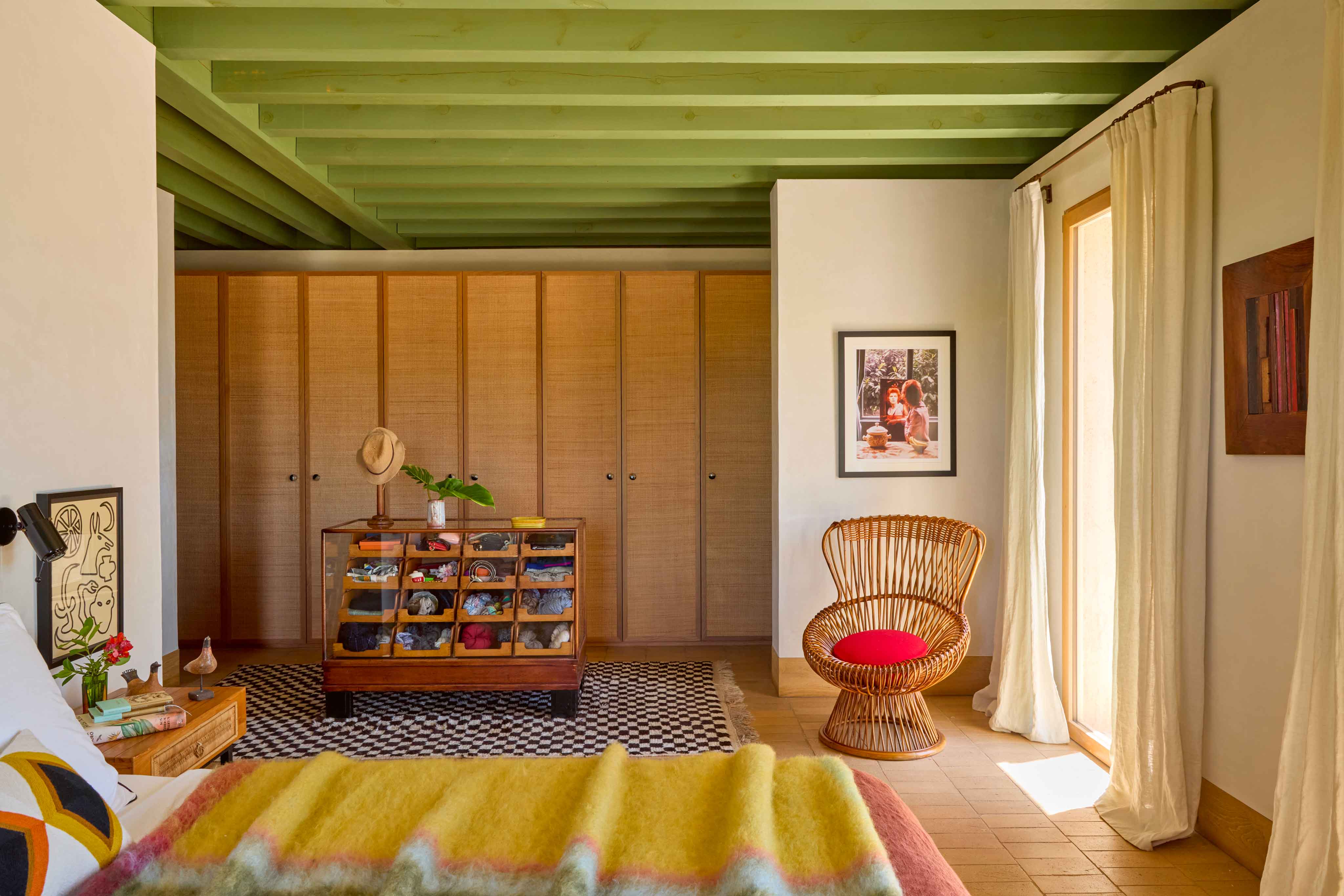 Inside Ibiza by Emma Roig Askari, photography by Ricardo Labougle - Carving shadows in the sun, Jamie Romano and Roberta Jurado
The homes in the book paint a portrait of an island that continues to radiate a special kind of energy—hard to explain, but impossible to ignore. Inside Ibiza is more than just a collection of dream homes: it’s a tribute to the beauty of Mediterranean interiors and the magnetic pull of a place that has drawn creatives and visionaries for decades. Looking at these homes is like reading between the lines of an island that keeps evolving—without ever losing its true self.


 Iscriviti alla nostra newsletter