From June 18 to 20, Copenhagen celebrates design with the theme KEEP IT REAL: eight city districts explore authenticity as a design value
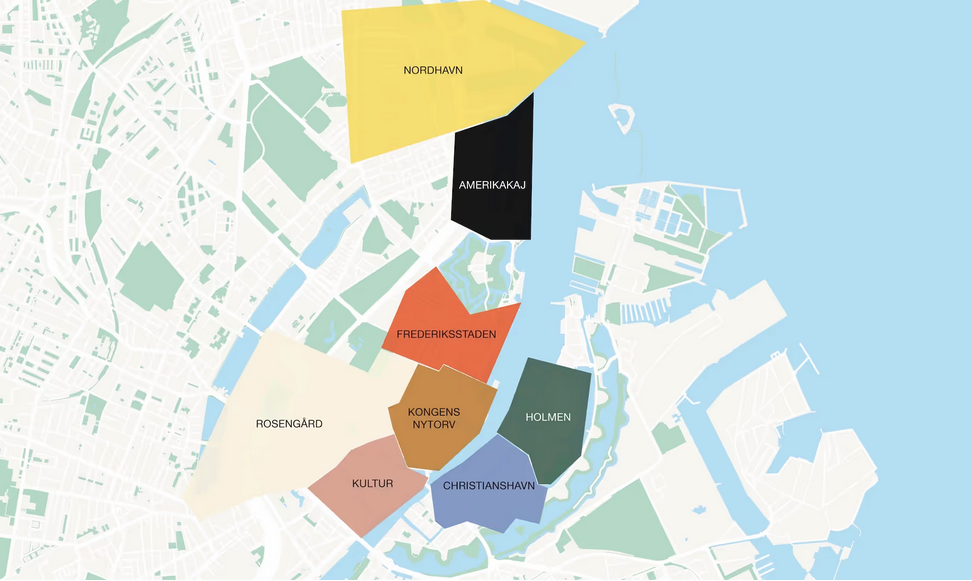
Copenhagen is getting ready to host the 2025 edition of 3daysofdesign, the design festival that has become one of the most influential events on the global creative calendar. This year’s powerful and timely theme is KEEP IT REAL—a manifesto that celebrates authenticity and encourages us to reconnect with what’s real and unfiltered, both in the creative process and in the way we live and shape our spaces. The visual identity of this edition is by Swedish artist Andreas Samuelsson. The city becomes a vibrant, open-air stage through eight Design Districts, each focused on a specific theme: from urban transformation in Holmen to craftsmanship in Christianshavn, the luminous atmosphere of Amerikakaj, sustainable communities in Nordhavn, and the values of authenticity in Frederiksstaden, culture in Kultur, real connection in Kongens Nytorv, and inner reflection in Rosengård. All districts are connected by physical hubs called i-Points, where visitors can find information, inspiration and installations, as well as join Design Walks guided by official Design Ambassadors.
During 3daysofdesign, Copenhagen confirms its role as an international crossroads for design, welcoming top brands from around the world. Alongside global names like Vitra, Muuto, Hay, Carl Hansen & Søn, Gubi and Fritz Hansen, Italy stands out with over 25 Italian brands showcasing the best of Made in Italy. Among them, Luceplan joins the collective exhibition FRAMING at the grand Odd Fellow Palace, presenting lighting solutions by Studio Odile Decq, Zsuzsanna Horvath, Mandalaki Studio, Meneghello Paolelli, Daniel Rybakken, Shulab Studio, Marco Spatti, and Alessandro Zambelli. Ethimo also joins FRAMING, creating an immersive outdoor experience that celebrates the art of open-air living. Highlighted pieces include the new Lodge collection by Christophe Pillet, the debut of the Teodora armchair, the Patio line by Zanellato/Bortotto, and the new Seeds collection by Cristina Celestino. The platform Design/Dialogue, curated by Ark Journal and Pernille Vest, returns this year. Within this setting, cc-tapis presents two standout collections: Hypercode by Roberto Sironi and Monograph by Belgian studio Destroyers/Builders, featuring two brand-new models unveiled for the first time in Copenhagen. A highlight is FAST / FORWARD, a project by FENIX® and Formica® at Kuglegården in central Copenhagen. Curated by Federica Sala, the exhibition explores the synergy between the two brands through a time-travel concept involving materials, colors, and patterns. Six international design studios—Federica Biasi, Laurids Gallée, Panter&Tourron, Thabisa Mjo, Tino Seubert, and Uchronia—were invited to reinterpret a decade or era from the 1920s to the 2000s. Davide Groppi takes part in "TIME SIGNATURE", a collaborative installation by File Under Pop with Agape, Agape Casa, Garde Hvalsøe, and V-ZUG. A shared narrative explores the synergy between light, design, and space—where inside and outside, structure and atmosphere, function and sensitivity all blend seamlessly. From Other Circle, Meritalia presents a special tribute to Gaetano Pesce, featuring iconic pieces like Some of Us, La Michetta, and Shadow. Meanwhile, Vero – an independent Italian brand of furniture and home accessories – showcases a selection of contemporary objects and accessories by international designers, including Jamie Wolfond, Thomas Woltmann, Hannes & Fritz, and Federica Elmo.
Once again, 3daysofdesign proves to be a key event for contemporary design, bringing together international vision and local identity in a collective and authentic story. The theme KEEP IT REAL is more than a motto—it’s a lens through which to rethink how we live and create. With architecture, materials, light, and culture in dialogue, Copenhagen becomes a living map, rich with open spaces, immersive installations, and meaningful collaborations.
The festival will take place across several designated Design Districts in the Danish capital. This year, eight Design Districts are involved, each with a specific focus inspired by the 2025 theme: KEEP IT REAL.
Holmen District
Holmen blends its glorious naval history with modernity. Once a maritime neighborhood, it now hosts showrooms of a wide range of exciting European brands, along with art galleries, design schools, and creative spaces in renovated industrial warehouses, standing side by side with new architectural structures. The Holmen District epitomizes transformation, bridging the gap between old and new, avant-garde and established, past and future
Holmen District
Christianshavn District
Founded by King Christian IV in the 17th century, Christianshavn celebrates a rich artisanal heritage. For centuries, craft workshops lined the area’s canals, linking Danish production with Europe and beyond. In this spirit, the Christianshavn District is where exhibitors focus on craftsmanship, materials, and processes that merge traditional creative arts with modern techniques. Visitors can enjoy hands-on experiences with artisanal skills and innovative materials, brought to life by artists who use them to craft the objects that define our spaces.
Christianshavn District
Amerikakaj District
Once a crucial departure point for transatlantic travel in Denmark, Amerikakaj is now a vibrant neighborhood filled with numerous national and international design brands, many of which focus on lighting. During this summer's festival, the Amerikakaj District will celebrate our desire to light the path toward a brighter future. The district's initiatives highlight the role of lighting in creating diverse atmospheres—and how atmosphere can evoke emotion, inspire creativity, and contribute to our overall well-being.
Amerikakaj
Nordhavn District
Nordhavn is transforming into a model for the “five-minute city.” Through urban planning that builds and connects sustainable neighborhoods, it aims to create thriving communities where everything is within walking distance. In fact, community is at the heart of the Nordhavn District. It's an urban archipelago juxtaposing indoor and outdoor spaces, blending industrial elements from its past as a merchant port with nature. Overall, it’s a truly unique model for modern living.
Nordhavn District
Kultur District
As the cultural heart of Copenhagen, the Kultur District invites exploration of the intersection between design, history, and cultural heritage. Cultural perspectives play a key role in creating products, spaces, and experiences that resonate with diverse audiences. They draw on values, symbols, and traditions that give objects deeper meaning—a meaning that goes beyond aesthetics and function, embracing an open, honest, and inclusive mindset toward people and the many perspectives of design.
Kultur District
Frederiksstaden District
Home to iconic 18th-century Rococo architecture, Frederiksstaden is a testament to the importance of authenticity. The district celebrates the preservation of heritage and craftsmanship, inspiring us to stay true to our roots despite passing trends or the social assumption that new is always better. In a rapidly evolving world, it's essential to preserve an appreciation of heritage and to honor the original thinking of pioneers who paved the way for the ideas that shape how we live today.
Frederiksstaden District
Rosengård District
Rising in the heart of Copenhagen's historic center, the Rosengård District bears a name wrapped in mystery: once a fortified city surrounded by walls and moats, the area transformed after the fortifications were dismantled. From walled enclave to open city, it’s the perfect metaphor for breaking free from social constraints in the search for what is truly real to you. At Rosengård District, the public is invited to look beyond the surface—to prioritize their personal truth, even if it goes against common thinking.
Rosengard District
Kongens Nytorv District
Kongens Nytorv has been a popular meeting point for centuries. It is a royal square, close to many of Copenhagen’s most important landmarks, such as the Royal Danish Theatre, Charlottenborg Castle, and Hotel D’Angleterre. In the Kongens Nytorv District, connectivity is at the core of our focus. In a world where people are constantly on the move, connection is key—not only online but also in real life. The public is invited to keep it real in this beautiful setting by embracing fleeting moments of connection.
Kongens Nytorv District


 Iscriviti alla nostra newsletter