Essential, conscious, rooted architectures: the Milan-based studio builds habitats that evolve with the people who inhabit them
Studio Wok was born from an Erasmus experience in Portugal that turned into a friendship, and from a competition won in the evenings and on weekends, when Marcello Bondavalli, Nicola Brenna and Carlo Alberto Tagliabue were still working at other studios. They chose their name and, in 2012, founded Studio Wok in Milan.
Whether it is a barn converted into a country house, urban interiors, corporate headquarters or new architectures immersed in the landscape, Studio Wok works to create “positive environmental conditions”: spaces that engage in dialogue with everyday life and with the contexts—natural or urban—that surround them. The three architects see design as a bridge between place and the people who inhabit it: between what already exists and the habits it can generate. Today their research is expanding, with new homes on Lake Garda, interventions on Lake Como, projects in Sardinia and the Marche region, and corporate sites where architecture also becomes narrative, identity and manifesto.
In 2019, Wallpaper included them among the 20 most promising emerging studios in the world; and since 2025 they have also been Head of Course of the Master in Interior Design at the Scuola Politecnica di Design in Milan, continuing to question—inside and outside the studio—what it means to Be the Project today.
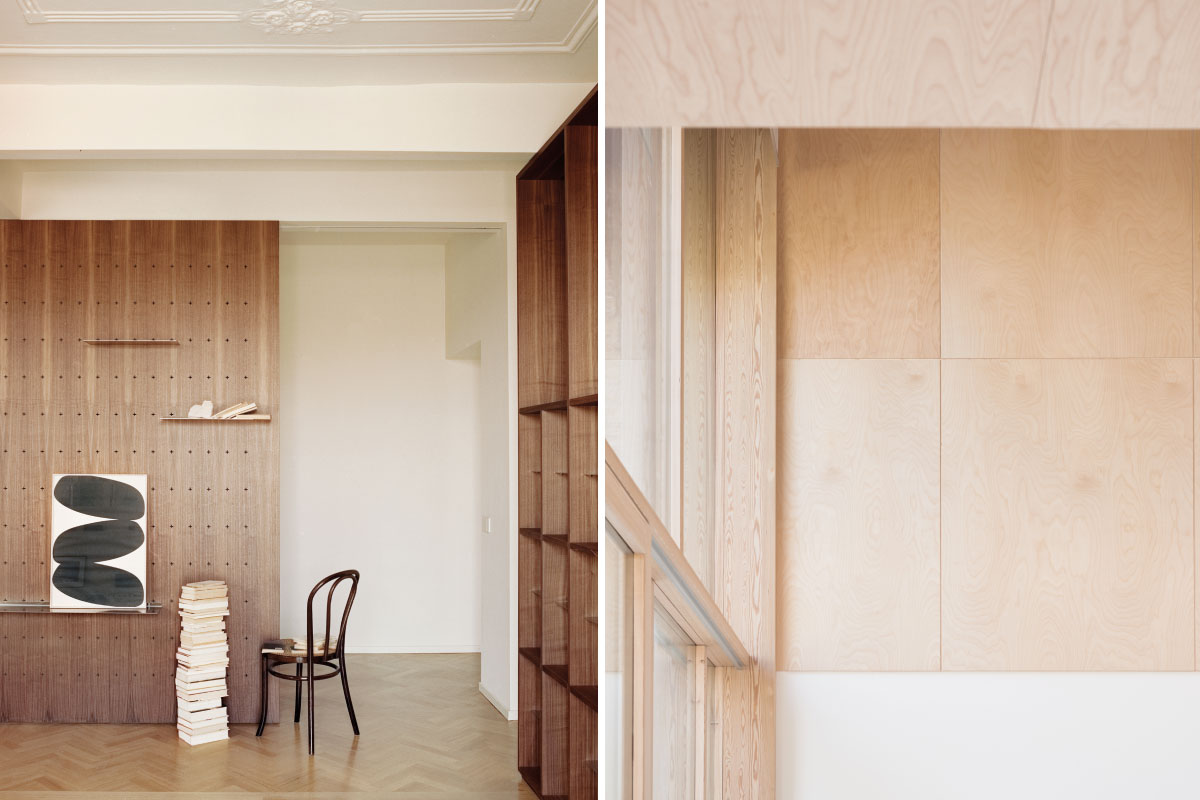
© Simone Bossi
How would you like to be defined? (Your essence, in two words)
We like to be defined as architects, in the broad sense of the term—one that avoids rigid specialisations and keeps multiple fields of research open.
What is the “ingredient” that can never be missing in a Studio Wok project? What would betray you if it were absent?
Care and attention to spaces designed for people’s lives, and an architecture that is conscious of the landscape in which it is inserted.
You often speak of “habitat” rather than architecture: which habit, daily gesture or micro-ritual are you most interested in designing? And what is the perfect habitat for you?
We often say that we like to design flexible and generous spaces, in which the gestures or rituals of those who live there are not predefined by us as designers. Of course, we try to imagine multiple uses, but we certainly do not presume to decide how people should live.
One of our greatest satisfactions is discovering that people see possibilities of use in the spaces we design that we ourselves had never imagined. The perfect habitat is one with spaces that generate positive emotions and make people feel good. The quality of architecture and its influence on people is often underestimated: to inhabit also means to create habits that arise from the interaction between humans and the built environment. Perhaps if we had all experienced high-quality schools, hospitals, offices, and so on, there would be greater awareness of the value of architecture.
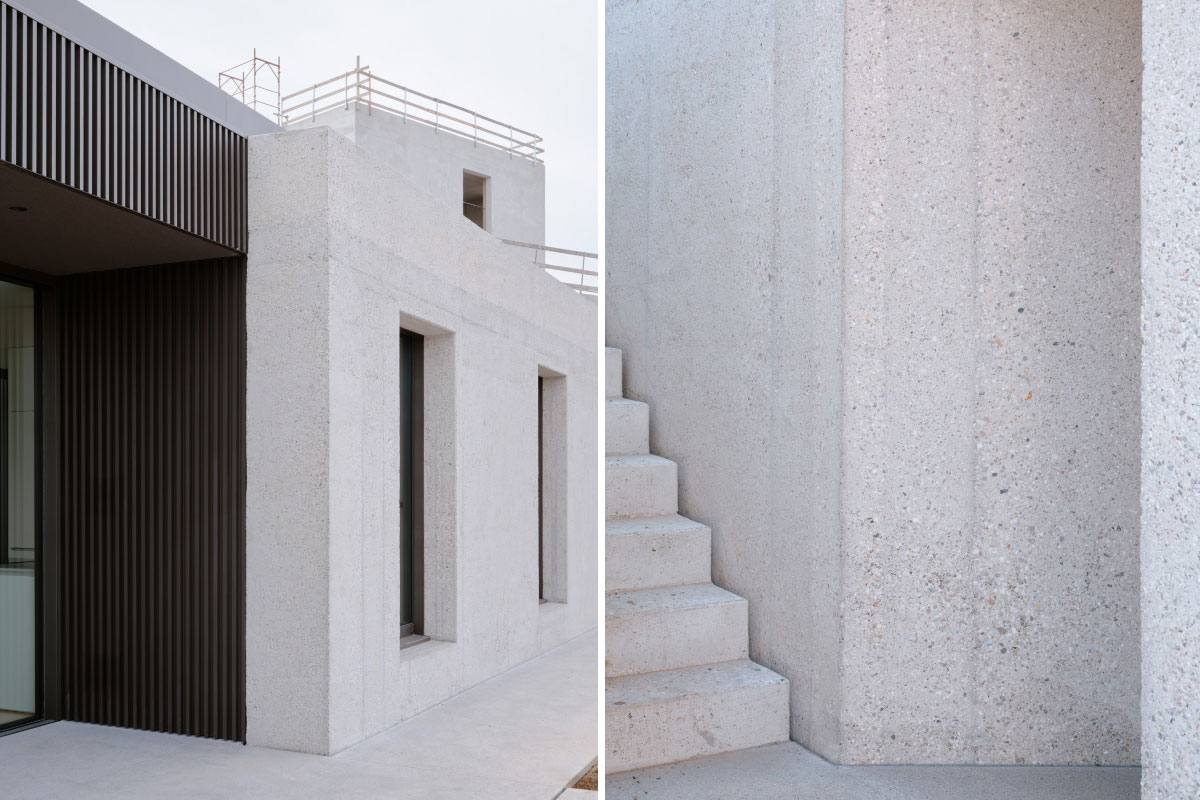
© Francesca Iovene
You often work in very different places: Lake Garda, Lake Como, the Marche, Sardinia. Who are your clients?
First of all, we are very fortunate. We have clients who recognise the importance of the architect’s role and the value of our research. Especially in sensitive landscape contexts, architecture—whether a restoration or a new construction—represents a piece of these landscapes and must necessarily enter into dialogue with them.
For us, true sustainability is the sustainability of the landscape, and it is exciting to find people with this sensitivity to collaborate with.
From farmhouses to barns, from new volumes to restoration: what is the greatest challenge when working in a rural context without falling into the picturesque or nostalgia?
It is almost always a question of measure. The challenge is finding the right balance between interpreting tradition and introducing contemporary elements. It may sound like an oxymoron, but we like to design buildings that are both contemporary and timeless, becoming part of the landscape as if they had always been there.
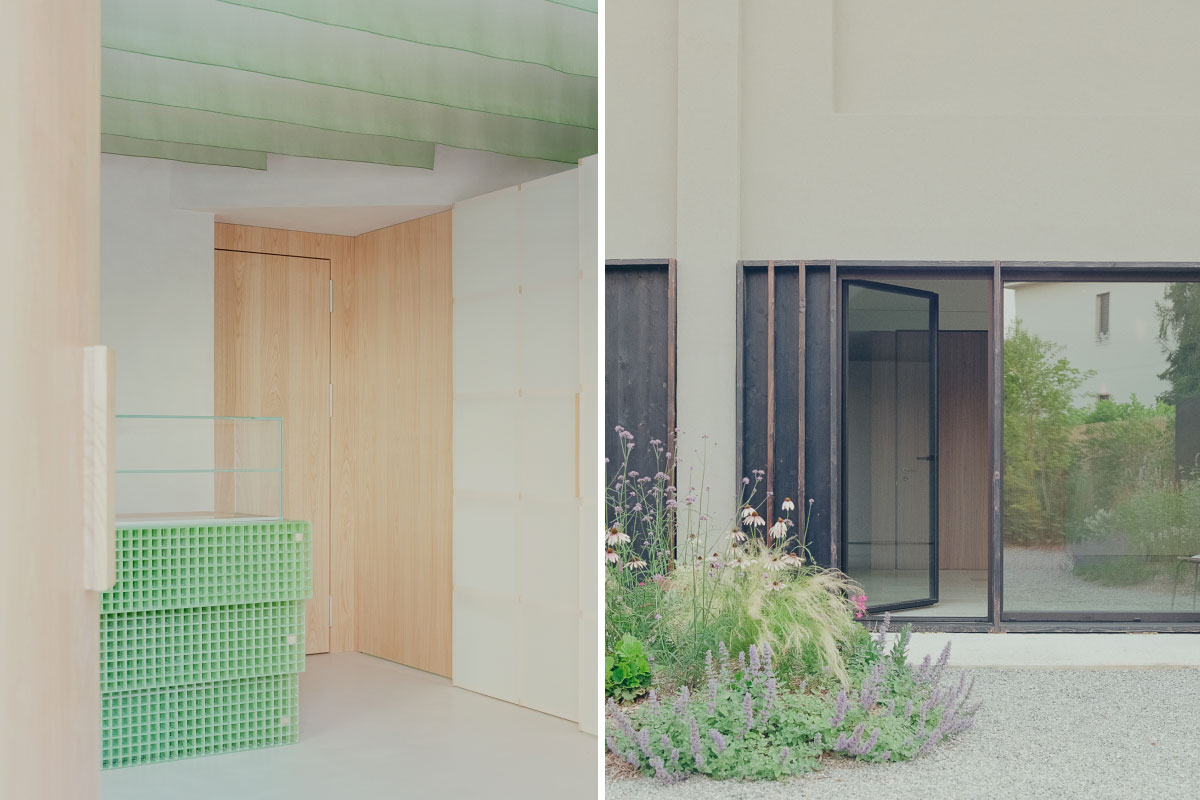
© Simone Bossi
You are also working extensively in the corporate sector, between headquarters and restyling projects. What are you learning? When does a building become a “manifesto”?
The role of architecture is not only to operate in extraordinary contexts or with large budgets; it is also to try to provide quality answers to ordinary themes, such as work. Collaborating with companies that recognise the importance of working in high-quality spaces is extremely stimulating. An architectural project becomes a manifesto when it is able to tell the essence of a company, express its values and its quality. This requires strong alignment between client and architect, which is why, before starting to work with a company or brand, we must fully embrace their mission.
Let’s move to the theme of Fuorisalone 2026. When do you feel you truly “Be the Project”? In the first sketch? In the final rendering? On site? Or in the moment when someone inhabits the space for the first time?
In every project there must always be a strong concept that represents its soul. It can be a typological or linguistic choice, and it is that element which, during the concept phase, we define as essential and which must be defended to the very end, with all our strength.
Architectural design is a complex process, born from dialogue and mediation with the client, and it is often full of unforeseen events and compromises. As designers, we must be able to reach the end without the project losing its coherence: everything else can change, evolve and adapt.
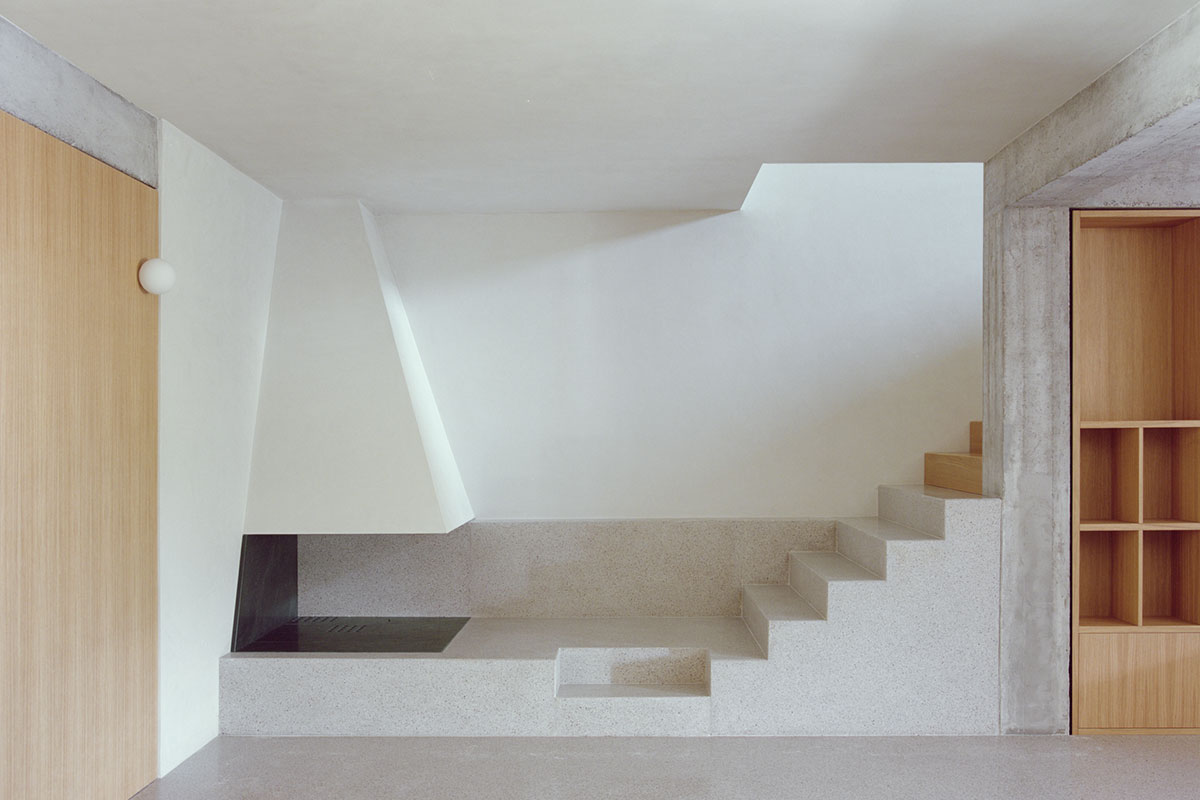
© Marcello Mariana
A mistake or failure you remember from these years?
For our way of working, error is part of the process; we never consider it a failure. It often becomes an opportunity to stimulate new reflections and search for creative solutions. We have a humble approach to the profession: every project is an opportunity to learn, and we are convinced that mistakes are part of the journey—they help us grow and understand how to avoid them in the future. We love architectures where imperfection emerges as a sign of truth and craftsmanship; we find them more emotionally engaging.
What truly interests you about interiors today—beyond the Milanese “refinement” seen on Instagram?
For us, interiors are architecture. We do not like the attempt to turn them into a specialisation or a discipline in itself. As architects, we are not interested in decoration for its own sake, but in spatial design: defining its limits through the study of natural light, the tactility of materials, and the design of furniture, which often becomes a device for managing space.
Quoting Vico Magistretti: “I create a structure that characterises the house, not as a matter of fashion but as a matter of space. Then, even if they fill it with rubbish, it doesn’t matter. What matters is that the structure of the house holds.” (Il Piacere, November 1986).
Interiors are designed to make people feel good, and this attention is what we try to teach students in the interior design master’s programme we lead at SPD.
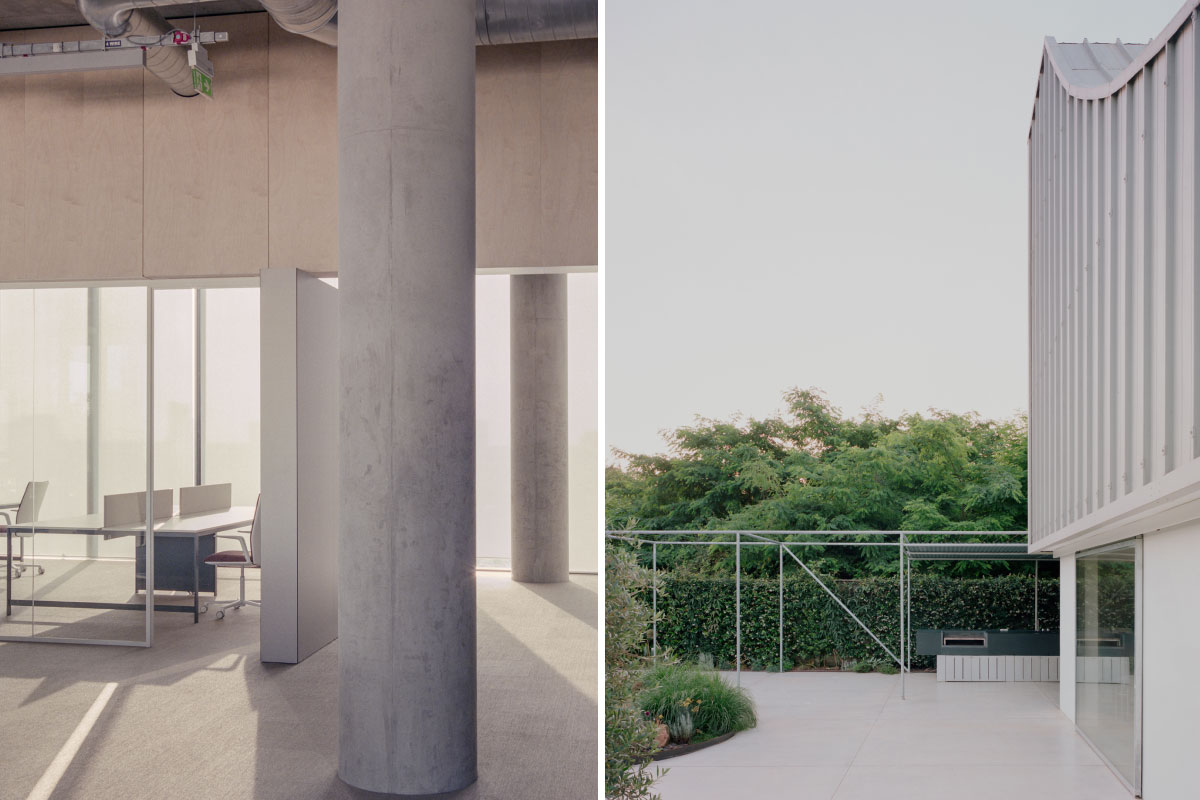
© Marcello Mariana
Why did you choose to become architects?
Because architecture deals with complex and pragmatic issues, while at the same time having the magic of being able to move people emotionally. Before starting university, we were not fully aware of this. Awareness and love for architecture grew gradually, and fortunately it still burns within us—perhaps even more than at the beginning.
Tag: Be the Project Interviste Design Fuorisalone 2026
© Fuorisalone.it — All rights reserved. — Published on 20 January 2026
 Iscriviti alla nostra newsletter