The 24th International Exhibition of Triennale Milano presents a collective and multidisciplinary reflection on the inequalities of our time
In a fragmented world, where distances are no longer measured just in kilometers but also in access, rights, and opportunities, design can no longer just focus on creating shapes. It must address the fractures of the present, understand how they are created, and propose new connections. This need gives rise to Inequalities, the 24th International Exhibition of Triennale Milano, open from May 13 to November 9, 2025. This is the third and final chapter of a curatorial trilogy that began in 2019 with Broken Nature and continued in 2022 with Unknown Unknowns. This edition focuses on inequalities – an urgent and highly relevant topic – exploring it through the lenses of art, architecture, research, and design culture.
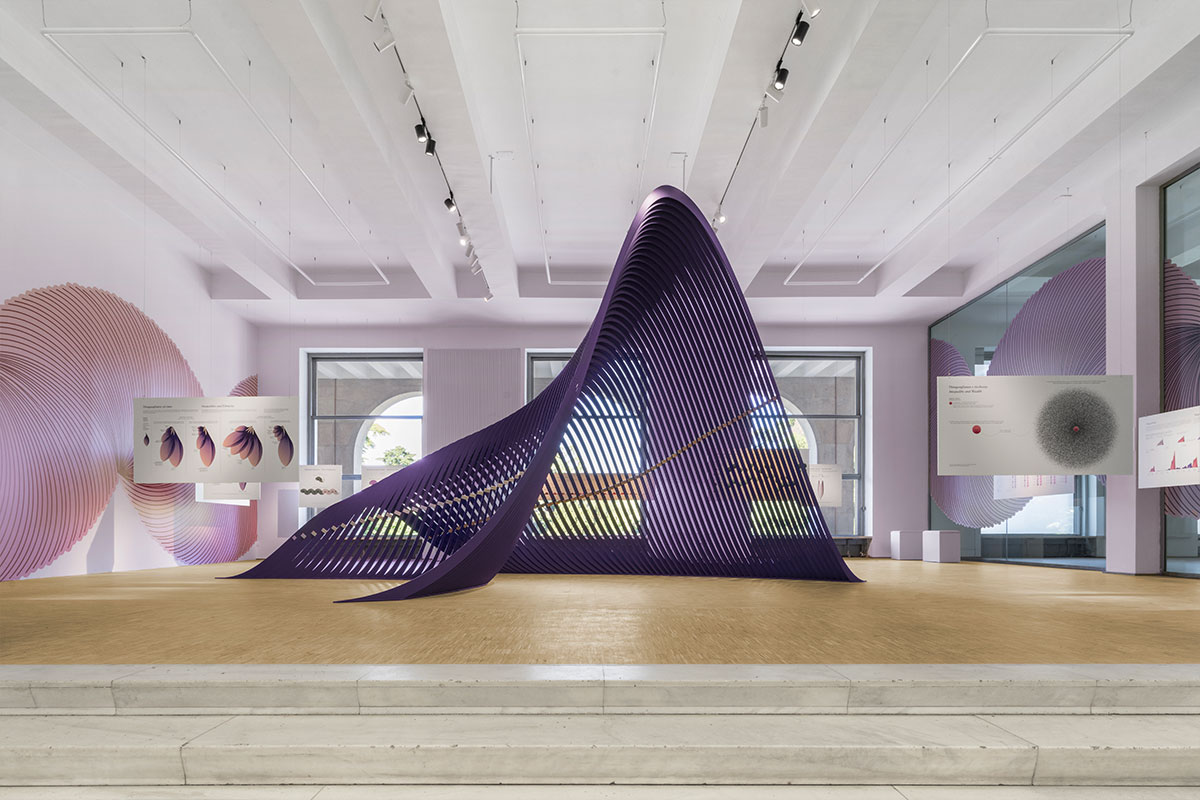
Shapes of Inequalities Fragapane ©Alessandro Saletta e Agnese Bedini - ph. DSL Studio
The exhibition spans over 7,500 square meters, with eight main exhibitions, ten special projects, an international participation section, a wide public program, and an urban tour across Milan’s districts. Curated by 28 experts from around the world, it involves 341 authors from 73 countries, including famous figures like Norman Foster (Pritzker Prize winner), Beatriz Colomina, Mark Wigley, Hans Ulrich Obrist, Theaster Gates, Kazuyo Sejima, Alejandro Aravena, Elizabeth Diller, Boonserm Premthada, and Amos Gitai. The exhibition is organized into two main sections: on the ground floor, the geopolitics of inequalities examines how wealth and poverty shape cities and territories; on the first floor, the biopolitics of inequalities looks at how factors like gender, health, origin, and material conditions affect life expectations, mobility, and vulnerability.
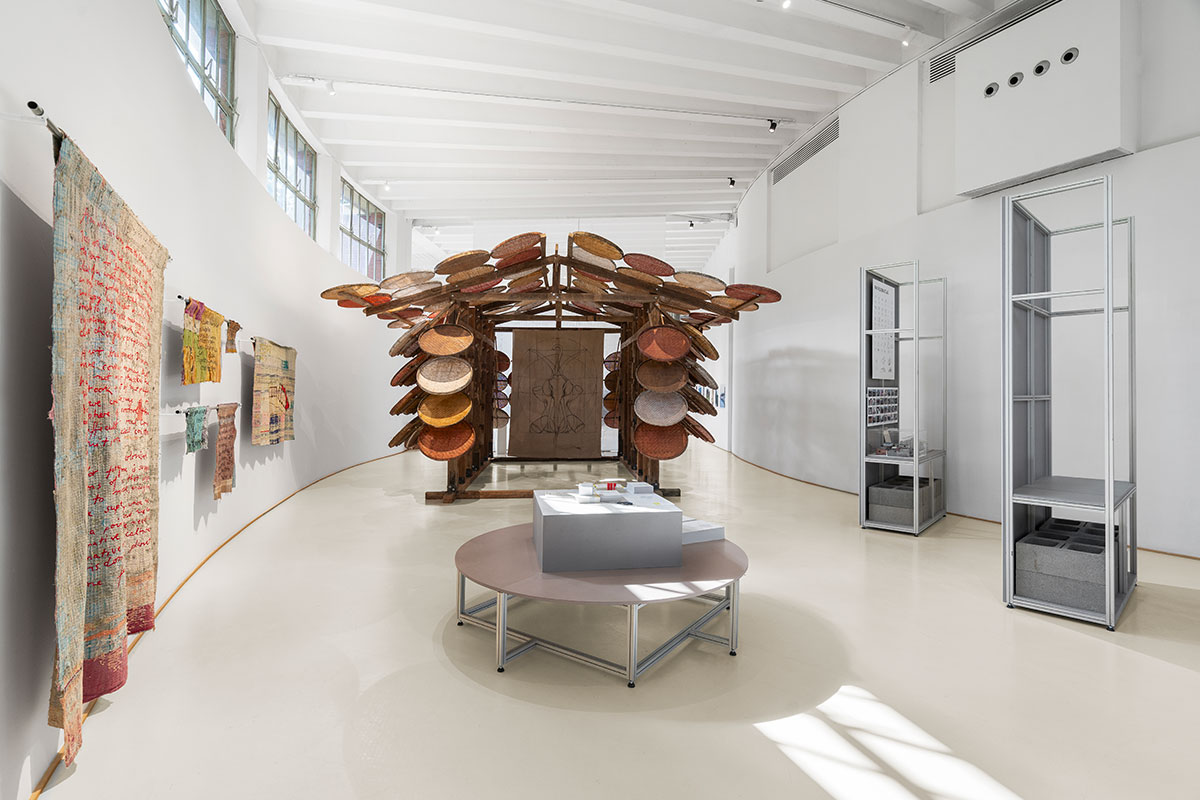
Cities ©Alessandro Saletta e Agnese Bedini - ph. DSL Studio
Among the main exhibitions are projects curated by Giovanni Agosti and Jacopo Stoppa, Colomina and Wigley, Marco Sammicheli and Nic Palmarini, Nina Bassoli, Obrist with Natalia Grabowska, Telmo Pievani, Norman Foster with his Foundation, and the Black History Month Milano team.
One of the most thought-provoking exhibitions is We the Bacteria: Notes Toward Biotic Architecture (Colomina and Wigley), which reimagines architecture through the lens of biological symbiosis, suggesting that the cooperative behavior of bacteria could inspire new building practices. Among the projects showcased, Two Sides of the Same Coin, by Laura Krugan, Dan Miller, and Adam Vosburgh, won the Bee Award for Best Original Project: a reflection on the invisible relationships between humans and microorganisms, serving as a model for inclusive architecture.
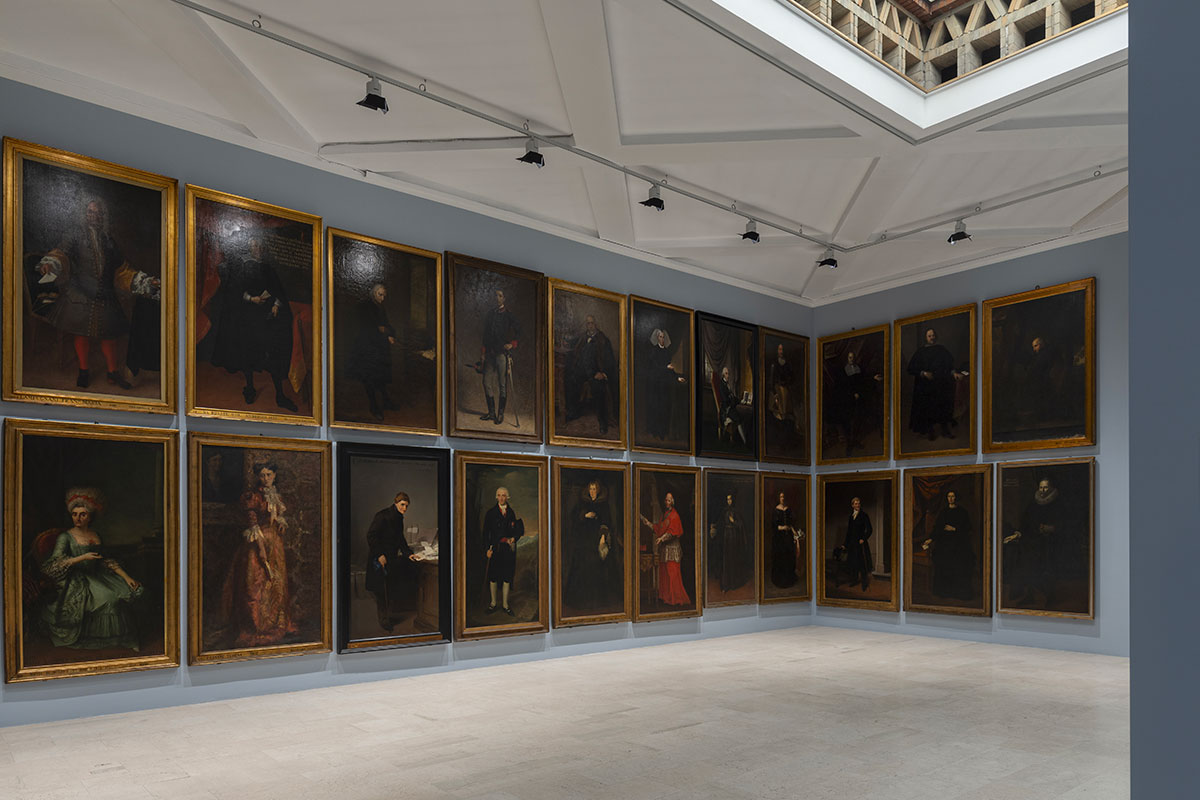
Portraits of Inequalities. Pittura di classe ©Alessandro Saletta e Agnese Bedini - ph. DSL Studio
In addition to the exhibitions, ten special projects expand on the theme, created by Theaster Gates, Elizabeth Diller (Diller Scofidio + Renfro), Amos Gitai, Federica Fragapane, Kimia Zabhiyan (with a piece about the Grenfell Tower tragedy), Filippo Teoldi, Donatella Sciuto, and the team from Politecnico di Milano. The project’s richness is also reflected in its many collaborations: for the first time, all five of Milan’s universities – Bicocca, Bocconi, Cattolica, Statale, and Politecnico – are participating, alongside the IRCCS Ca’ Granda Ospedale Maggiore Policlinico Foundation and more than twenty international institutions, including Columbia, Princeton, the Serpentine Galleries, and the Norman Foster Foundation.
The international participation section, coordinated by the Bureau International des Expositions (BIE), invites participating countries to explore local forms of inequalities and how design can respond to these challenges, focusing on one city. Lebanon received the Bee Award for Best National Pavilion with the exhibition E dal mio cuore soffio baci al mare e alle case, curated by Ala Tannir, while the Honorable Mention went to Puerto Rico’s pavilion with Había una vez y dos son tres “feminisitios”, curated by Regner Ramos.
As Stefano Boeri, President of Triennale and General Commissioner of the Exhibition, stated, Inequalities doesn’t offer definitive answers but provides spaces for reflection: it highlights the deep wounds that run through the world – from cities to bodies – while embracing ideas, projects, and practices that turn inequality into an opportunity for connection. In a present marked by ever-increasing inequalities, the exhibition creates a space where design doesn’t solve, but reveals and connects.
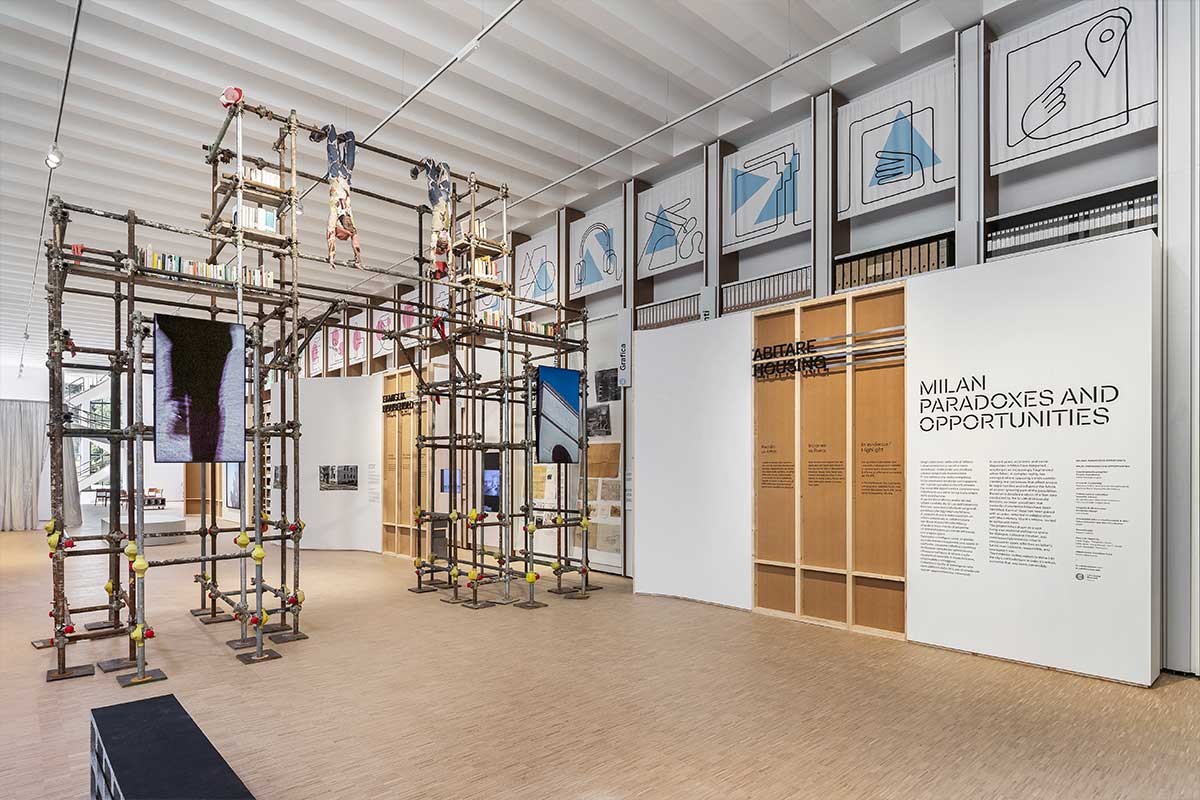
Milano. Pradoxes and Opportunities ©Alessandro Saletta e Agnese Bedini - ph. DSL Studio
Tag: Milan Design Architecture Triennale Milano La Triennale
© Fuorisalone.it — All rights reserved. — Published on 13 May 2025
 Iscriviti alla nostra newsletter