Critical thinking, dialogue, and multidisciplinarity to transform design into a language of relationships and connections
Naessi is a studio born from a nexus - actually, from many. The one between architecture and product design, craft and industry, Nordic and Mediterranean inspirations, concept and relationship. Founded in Rome in 2020 by Eleonora Carbone (architecture, interiors, concept) and Alessandro D’Angeli (design, visual, creative direction), Naessi works at the intersection of ideas and forms, turning connections into objects, installations, spaces, and identities. In recent years they have created projects that are very different from one another yet united by a “relational” idea of design: from Nexum Tables and Cut Copy Paste, exploring surfaces as narrative layers, to interiors for restaurants such as Santo Palato in Rome; from the Testae vases - inspired by the terracotta fragments of the Monte dei Cocci, a Roman hill dating between the 1st and 3rd century CE, made of shards, potsherds, and amphorae remains once used for transporting goods - to deliberately imperfect collections like Fòlia, which remind us that design is research as much as resolution. Their way of designing is dialogic: a process in which form is simply the visible outcome of a system of analysis, questions, and shared intuitions. We met them to talk about method, failures, relationships, and the theme of Fuorisalone 2026, Be the Project: an invitation to reflect on what it means, today, to give shape to ideas.
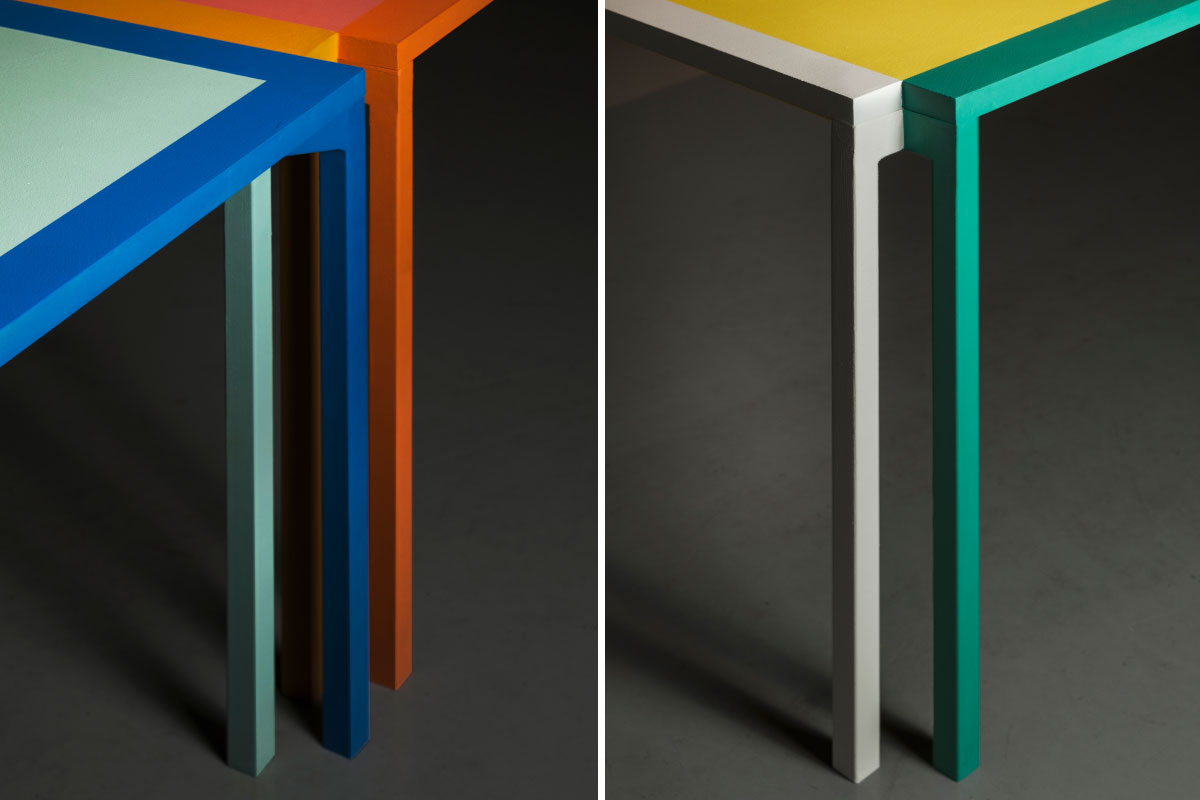
Cut Copy Paste by Naessi x Cantiere Galli Design - ph. Lorenzo Catena
You move across different worlds, working between craft and industry. How do you define yourselves? Who is Naessi Studio?
After years of different experiences, we felt the need to bring together everything we are passionate about in a single macro-project, something with a name capable of connecting all our activities and research without overriding them or limiting them stylistically. Naessi is a non-rigid container, an abstract place for exploration. But when we have to explain it simply - even to non-experts - we like to say: Naessi is a design studio. The word “design” already includes everything: approach, method, vision, language.
“Who’s really in charge?”, “What do you expect from this project?”, “Why now?”. You start with a list of 150 questions. Tell us more.
Our list of questions comes from a practical need: to do meaningful work - any kind of work - you have to start by studying. Part of that study is what we do independently: researching the topic, the sector, the context in which the work will exist, possible collaborations, and much more.The other part is understanding the information already held by the client, who has experience and data that are extremely valuable for a designer. Yet these often do not emerge during the initial briefing; they surface only along the way. The list helps us dig into sensitive areas and pushes clients to self-analyse and reveal more of themselves. This immediately sets the tone for the relationship: collaborative, non-judgmental, transparent.
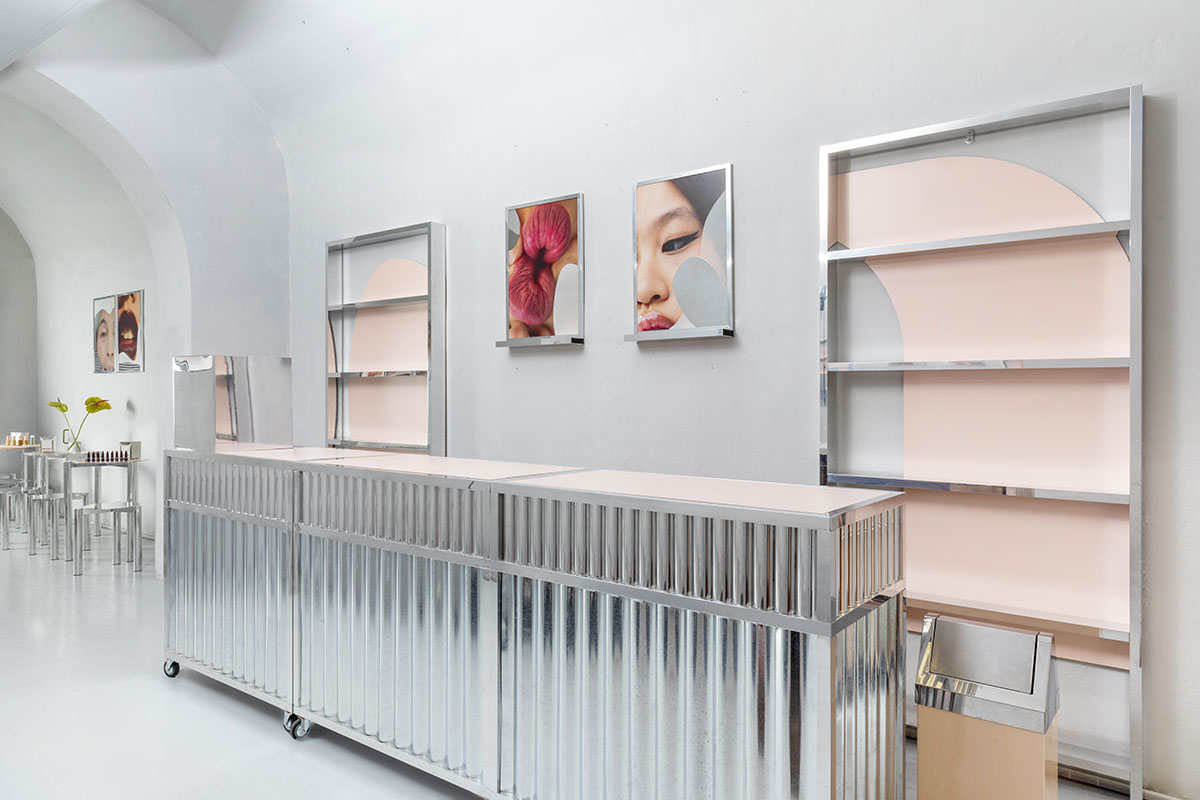
espressoh ohbar - ph. Eller
One of your favourite questions is “tell me about your project” and when multiple people are involved, completely different visions emerge.
Exactly. Our way of working is driven by curiosity for the people we meet. Every week we interact with individuals from completely different worlds; conversations change, as do relational dynamics. We practice flexibility - switching registers, listening, or, when needed, stating a point clearly. Each person offers a new perspective, and all these perspectives, added to our own, form what we call “expanded experience” - the compass that guides our design of spaces and objects.
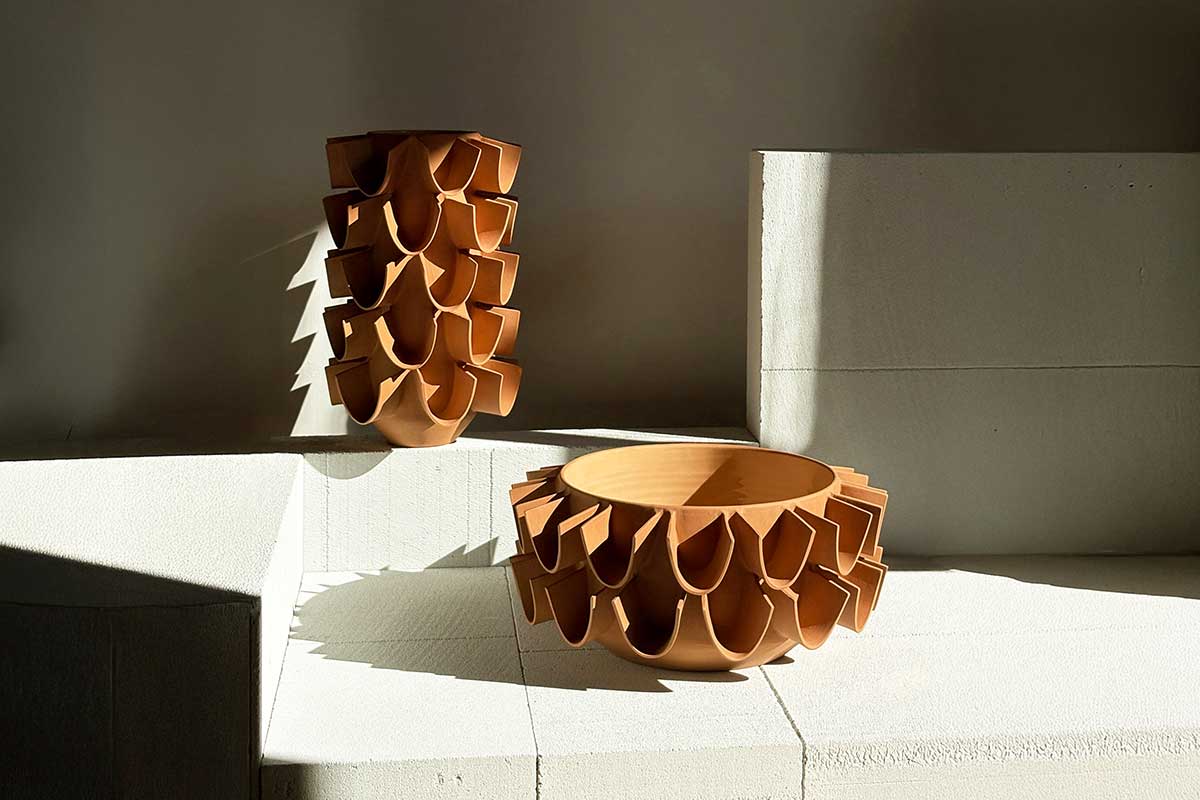
Testae vases - ph. Naessi
You say you don’t chase bestsellers but follow a path of research and thought. Fuorisalone 2026’s theme - Be the Project - how do you interpret it? What does it mean for a studio like yours to be the project rather than merely make one?
For us, the process is everything. It may sound bold, but we believe that our projects - whether you like them aesthetically or not - cannot be criticized on a conceptual or functional level. That confidence doesn’t come from ego; it comes from the method that leads us to the project.
Our design methodology includes an initial phase of research and study, a second analytic phase, and a final phase of processing the outcomes. Only then do we move on to drawing.
Told like this, it sounds linear, but it isn’t: the process follows a structure, yes, but it is filled with trials, revisions, surprises, and adjustments. This structural rigor coexists with great freedom in content: everything begins with what we love. Everything we do outside of designing becomes the material for design itself talking to people, visiting places, going to exhibitions, collecting magazines, listening to music, or pushing ourselves to break habits and explore new corners of the city. All this creates the fertile ground for projects that don’t resemble each other aesthetically but are connected by identity and authorship.

Fòlia ceramics by Naessi - ph. Francesco Marano Eller Studio
Designing also means making mistakes and sometimes failing…
Design processes are a slalom through mistakes! Our 150 initial questions help us anticipate many issues, but even with a rigorous method, if a project is truly exploratory and bold, mistakes will happen. Design means predicting, not controlling. And it also means having a method to deal with mistakes. Errors are valuable: they bring focus back to the project, raise new questions, and challenge previous decisions. Every mistake shifts the trajectory slightly - not enough to change the destination, but enough to sharpen our perspective.
A project you feel deeply connected to? One you’d consider your manifesto.
Definitely Fòlia - a project that is pure process. Fòlia wasn’t a commission; it began as a desire to investigate the relationship between form and matter through an undulating surface. We started with hot-bent wood, designing pieces at the edge of functionality; then moved to ceramics, imagining unconventional tableware; and later translated everything into two dimensions through etchings with Lithos. The idea is to use a formal archetype as a starting point for free interaction with materials, artisans, and production processes - building an open archive of experiments that can nourish future design directions. Fòlia is a project, but also a way to feed other projects.
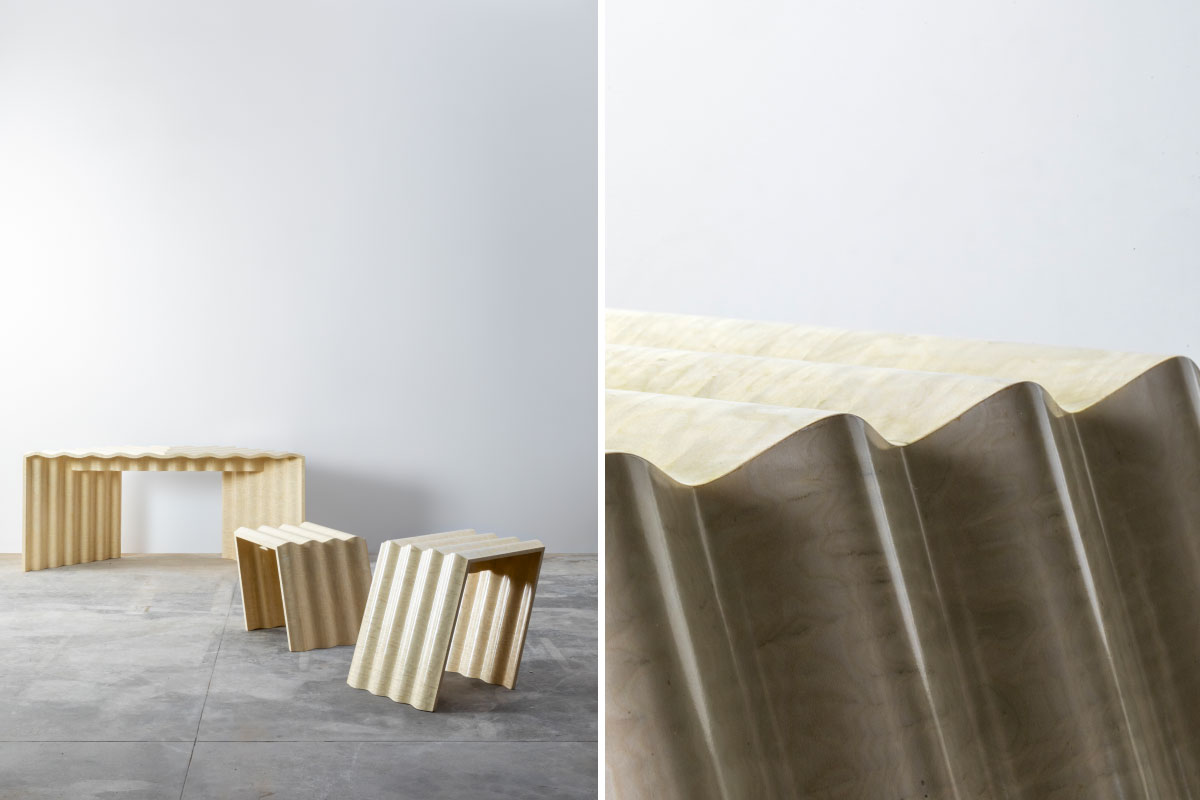
Fòlia Naessi - Collection
The sky’s the limit: your dream commission?
Since it’s a dream, we allow ourselves to play: designing the Super Bowl halftime set, a floating theatre like Aldo Rossi’s, a Rio Carnival float, a stage for Sasha Waltz, or the set for a rock band we love. They’re all temporary projects with strong conceptual complexity and rich multidisciplinarity.
What is, in your view, the priority for Italian design today?
It may sound provocative, but we believe Italian design must move beyond its Oedipal complex toward the great MAESTRI. It’s time to build a contemporary identity - one that studies the past with respect but dares to express something autonomous. The world has changed, and we are certain the masters themselves would have designed differently if they were alive today. Now it’s our turn, and we can’t keep stepping back.
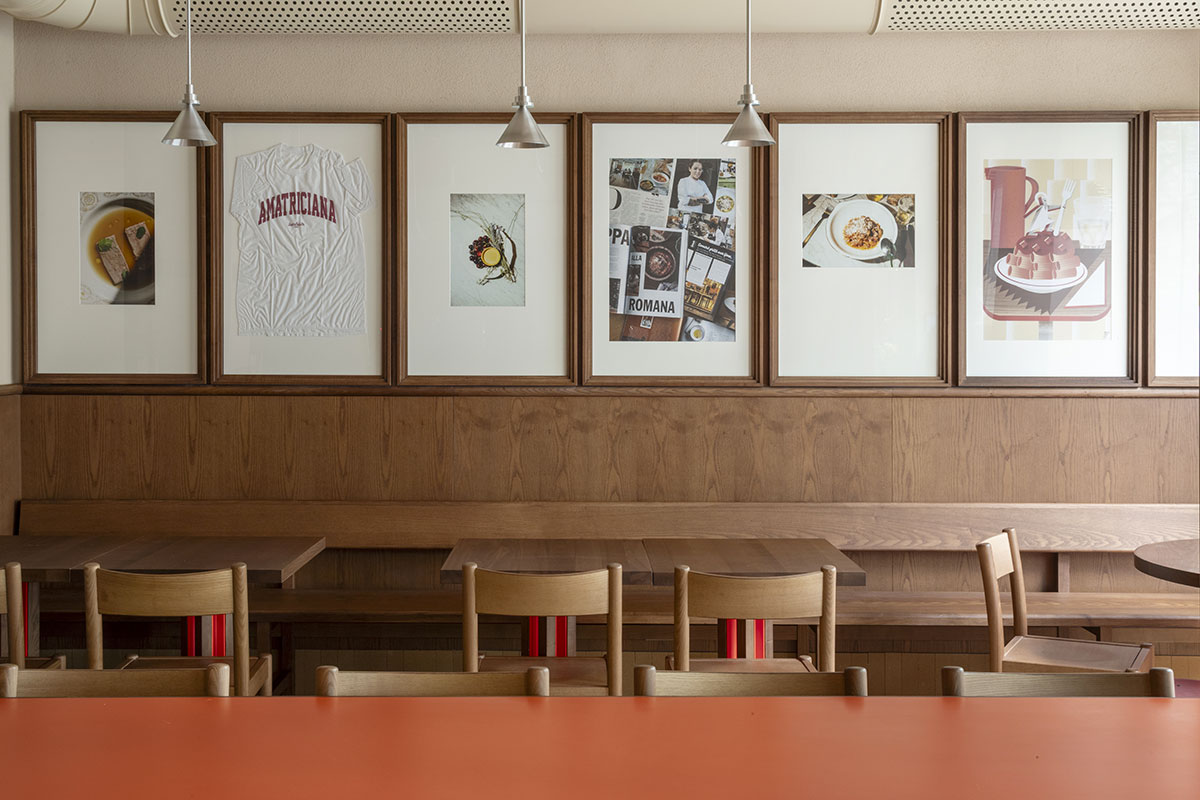
Santo Palato by Naessi - ph. Eller
Tag: Interviste Be the Project Design Product Design Fuorisalone 2026
© Fuorisalone.it — All rights reserved. — Published on 20 November 2025
 Iscriviti alla nostra newsletter