Between assemblage, reuse and experimentation, the South Tyrolean designer has built over the years a free and anti-disciplinary practice
Martino Gamper has never really designed through categories. Too much of a craftsman to be simply an industrial designer, too irregular to adhere to a disciplined idea of design, too curious to stop at a single scale. For more than twenty years, the South Tyrolean designer, born in Merano and based in London, has moved across interiors, installations, collectible design, teaching, performance and research with a free and almost instinctive approach, where assemblage, craftsmanship and recombination become tools to constantly question objects and their meaning.
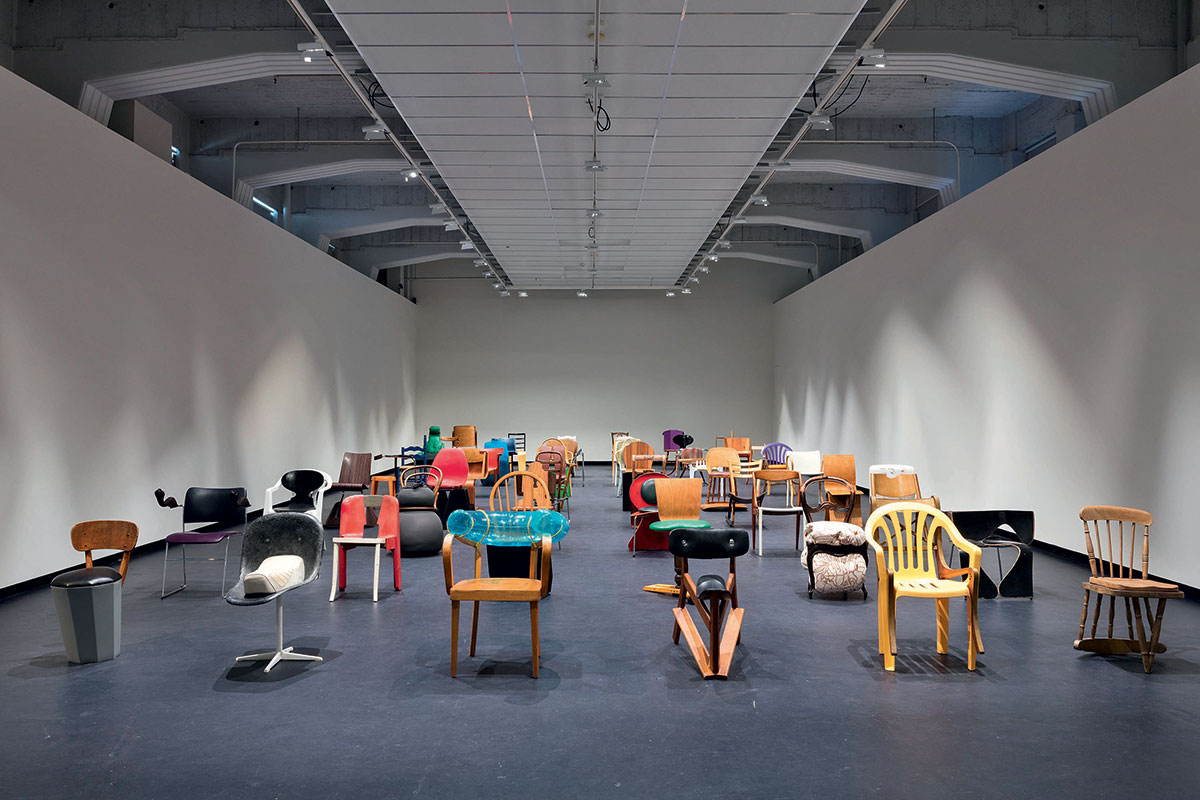
100 Chairs in 100 days all City Gallery, Wellington, New Zealand 2017, © Shaun Waughke, Courtesy Nilufar Collection
Many still mainly associate him with 100 Chairs in 100 Days, the manifesto project from 2007 in which he created one hundred chairs in one hundred days using reclaimed parts, hybridising typologies, references and materials until transforming one of the most codified objects in design into something unpredictable, ironic and almost narrative. But reducing Gamper to that project would be limiting. Ultimately, his entire practice seems to revolve around the same idea: dismantling hierarchies, crossing disciplines and bringing design back to a more physical, direct and experimental dimension.
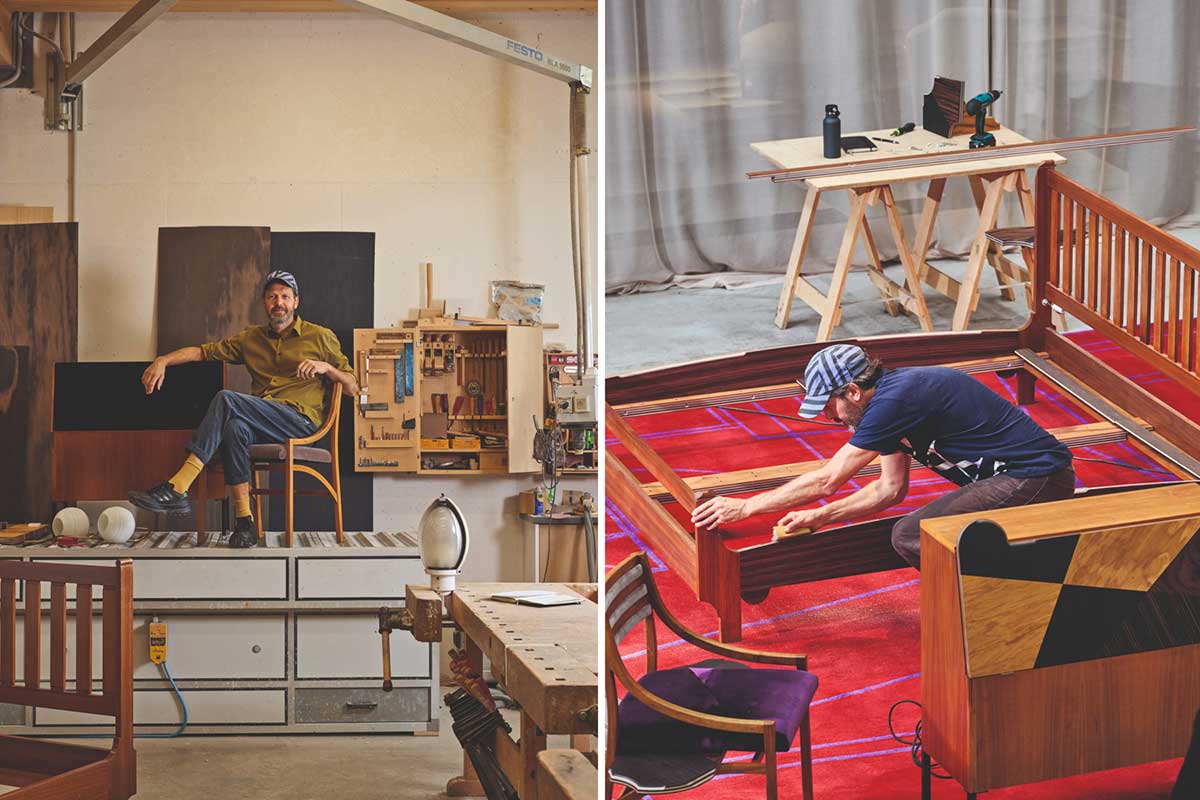
© Filippo Pincolini
His education also tells this unconventional trajectory well. First an apprenticeship as a cabinetmaker in South Tyrol, then sculpture studies in Vienna, time spent with Michelangelo Pistoletto and finally the Royal College of Art in London under Ron Arad. A path that brings together Central European craft culture, art and design, and that still today continues to be reflected in his Hackney atelier-laboratory, closer to a space for experimentation than to a traditional studio.
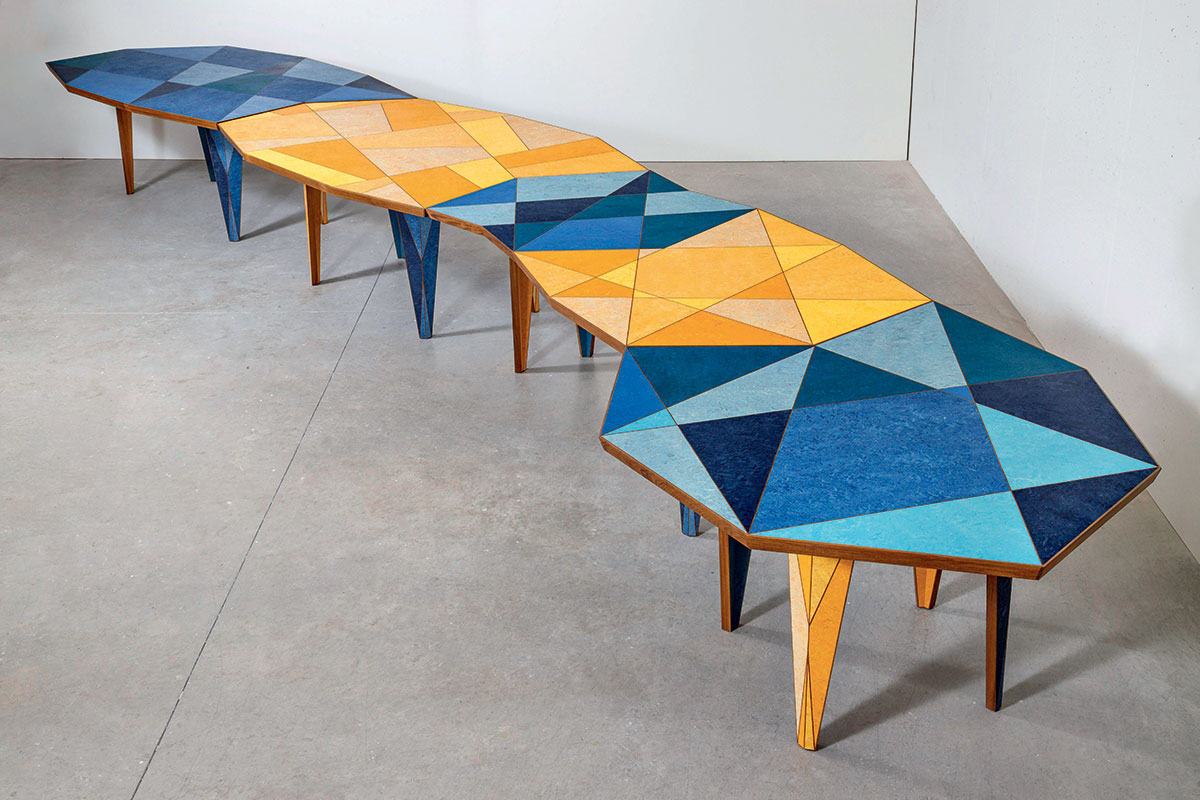
BEAULIEU-SUR-MER TABLE, 2018 © Christian Gulfer
In Gamper’s work, reuse is never simply an ethical position or a response to the circular economy. It is above all a design and mental method. Found objects, furniture fragments, anonymous chairs or pieces by masters of the past become open repertoires to dismantle, reinterpret and “re-signify”, as Marco Sammicheli writes in the book Martino Gamper, just published by Electa as part of the new The Design Series collection dedicated to the protagonists of contemporary European design. The volume retraces more than thirty years of work through projects, London studios, installations and collaborations, offering the portrait of a designer who has always freely crossed disciplines, languages and different scales.
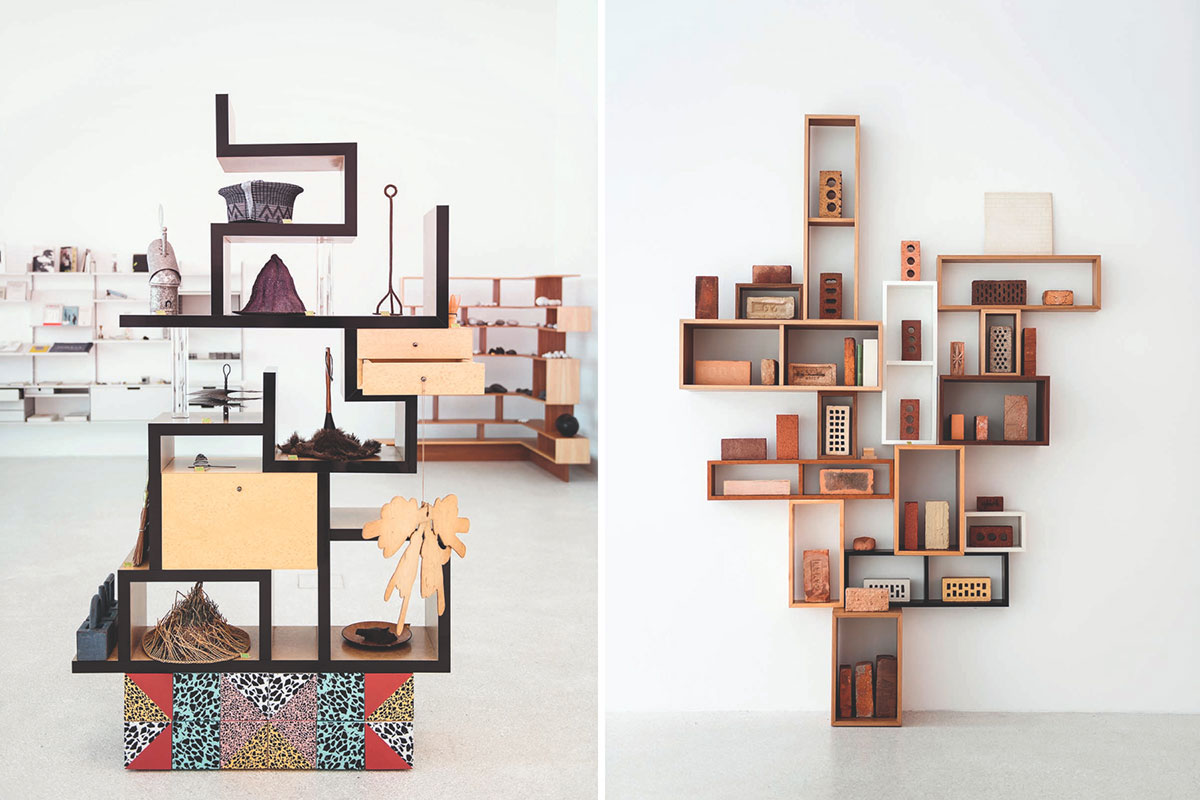
DESIGN IS A STATE OF MIND, 2014–2015 © Luca Meneghel
More than building a recognisable style, Gamper seems to have built a different way of looking at objects: more fluid, open and less definitive. In his work, industrial design, craftsmanship, installation, manual research and serial production coexist without hierarchies. And perhaps it is precisely this freedom that still makes his work so surprising today.
Tag: Design Books Craftsmanship Product Design collectible Design Review
© Fuorisalone.it — All rights reserved. — Published on 18 May 2026
 Iscriviti alla nostra newsletter