A new scientific committee, Michele De Lucchi's appointment as Creative Director and a four-year strategy signal a broader ambition for one of Europe's leading design institutions.
Design institutions are redefining their role. For decades their mission revolved around collecting, exhibiting and preserving objects, while public programmes and research remained closely tied to the exhibition calendar. That model has gradually expanded, reflecting a wider cultural shift in which museums are increasingly expected to generate knowledge, foster interdisciplinary dialogue and engage with the questions shaping contemporary society. The strategic plan presented by Triennale Milano for 2026–2030 embraces this transition with unusual clarity, outlining an institution that sees design as one element within a much broader cultural landscape.
Presented by President Vincenzo Trione together with General Director Carla Morogallo, the programme proposes a vision of Triennale as what Trione defines an "opera-mondo"—a cultural infrastructure where architecture, design, art, photography, fashion, cinema, theatre and music operate as interconnected languages rather than separate disciplines. Exhibitions remain central to the institution's identity, yet they now sit alongside research, publishing, archives, higher education and public debate within a framework designed to connect different forms of knowledge rather than simply display them.
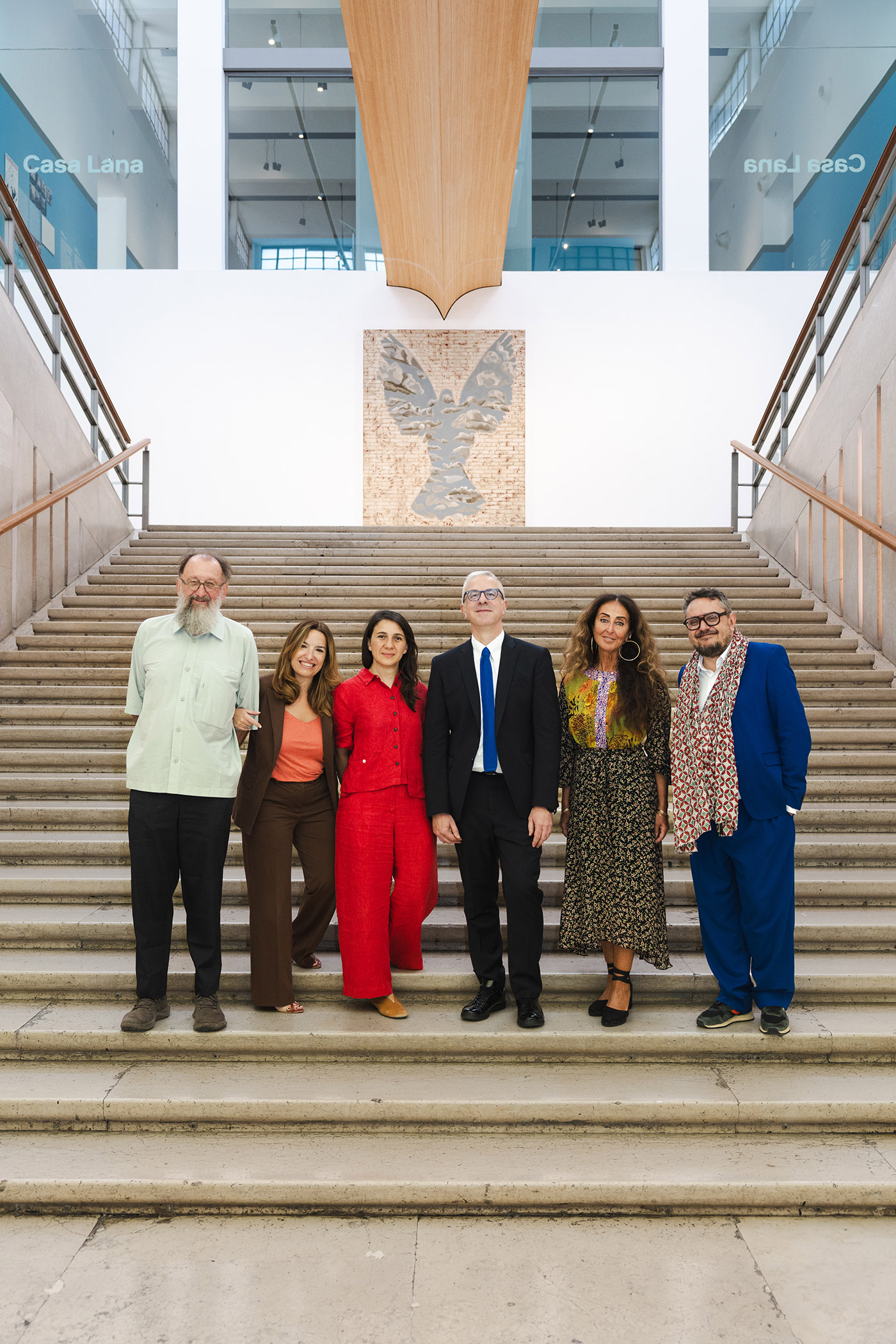
Nella foto: Michele De Lucchi, Carla Morogallo, Maria Porro, Vincenzo Trione, Manuela Lucà- Dazio, Andrea Viliani.
Foto Gianluca di Ioia © Triennale Milano
The direction itself is not entirely new. Over the past decade Triennale has steadily expanded its role through the Museo del Design Italiano, Casa Lana, Cuore, Voce, the renewed Palazzo dell'Arte and an increasingly prominent position during Milan Design Week. Together these projects have transformed the institution into a year-round platform where exhibitions coexist with performance, education, publishing and research. The new strategy gives this evolution a coherent intellectual framework and places it at the centre of Triennale's future identity.
The appointment of Michele De Lucchi as the institution's first Creative Director, while also leading the Museo del Design Italiano, reflects this broader ambition. Throughout his career De Lucchi has consistently moved between architecture, industrial design, craftsmanship and cultural research, making him an ideal figure to connect Triennale's different activities. Speaking about his new role, he described his ambition to turn the institution into "a laboratory of vitality", introducing the idea of "the sustainability of the collective imagination" as a way of understanding design's responsibility not only towards the environment, but also towards the cultural narratives that shape society.
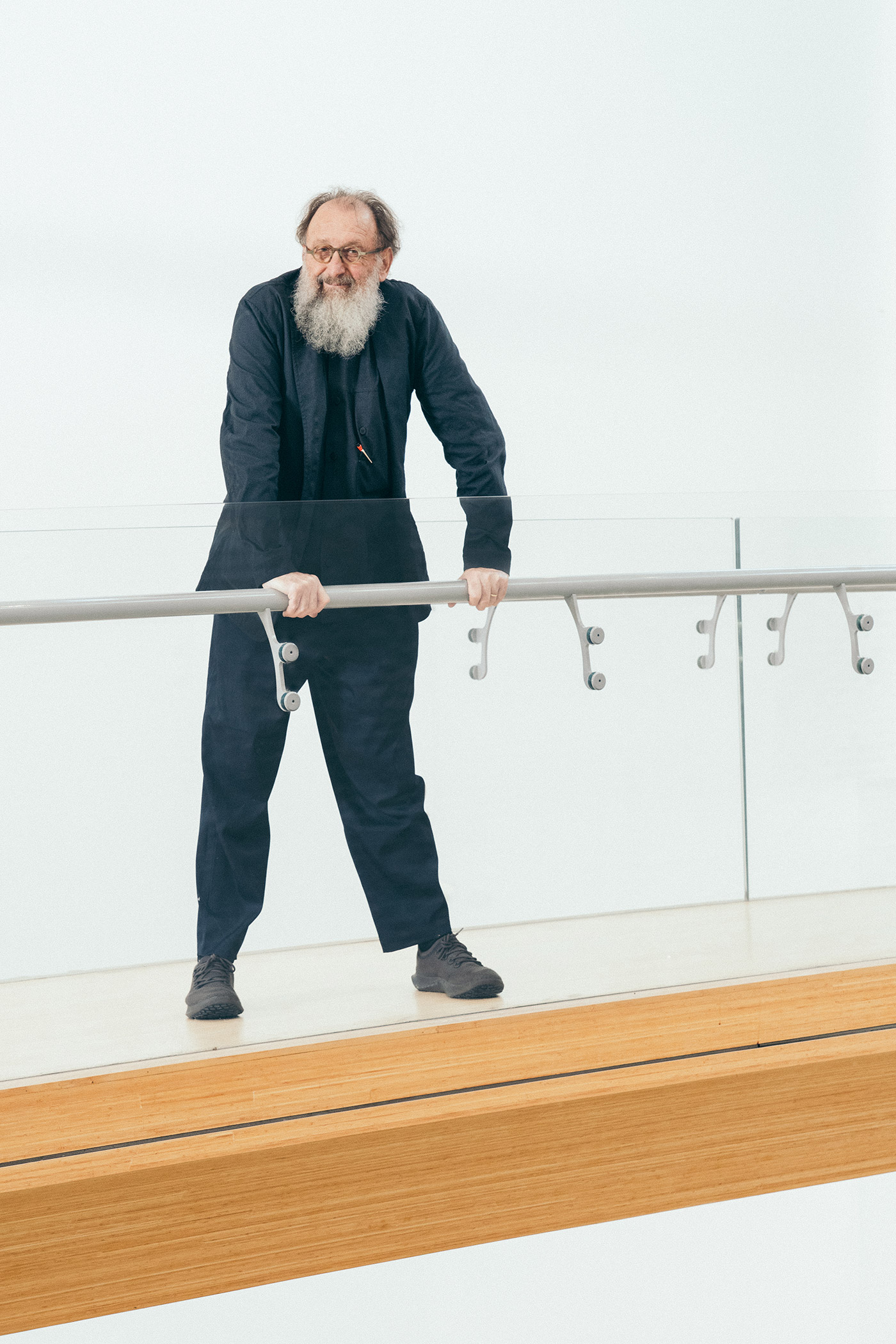
Michele De Lucchi foto Delfino Sisto Legnani DSL
The newly appointed scientific committee follows the same interdisciplinary logic. Alongside De Lucchi for design, Manuela Lucà-Dazio will oversee architecture and Andrea Viliani contemporary art, supported by a wider network of scientific advisors across the institution's cultural programmes. Film critic Paolo Mereghetti joins to strengthen Triennale's cinema programme, while Carlo Antonelli continues to lead music and Luca Stoppini fashion. Chiara Spangaro will coordinate the scientific activities of the archives, Umberto Angelini remains Artistic Director of the theatre programme, Damiano Gullì takes responsibility for the public programme and editorial activities, Marco Sammicheli becomes Design Week Exhibition Program Lead and Luca Cipelletti will oversee the architectural development of the Palazzo dell'Arte. Together they outline an organisation that approaches culture through collaboration rather than disciplinary boundaries.
One of the most significant changes concerns the structure of the cultural programme itself. Each year Triennale will identify a single question relevant to contemporary society, with exhibitions, publications, research projects and public events conceived as different ways of exploring possible answers. This shift places ideas before programming, encouraging exhibitions to become chapters within a wider cultural discourse instead of isolated events.
The Museo del Design Italiano will also evolve accordingly. Alongside the expansion of its permanent collection, the museum will investigate the cultural contexts, methodologies and intellectual processes that shaped Italian design, extending its focus beyond products to include the ideas that generated them. The same perspective informs the renewed Centro Studi, originally founded in 1935 and reactivated in 2024, which will coordinate research activities, define the themes of future International Exhibitions and develop new programmes for emerging designers and researchers.
Supporting this work is an Advisory Board bringing together figures such as Carlo Rovelli, Paolo Benanti, Melania Mazzucco, Franco Farinelli, Nathalie Heinich and Giuliano da Empoli, demonstrating how design increasingly benefits from perspectives drawn from science, philosophy, literature, geography and political thought. Publishing, archives and education are equally central to the strategy. New editorial series, podcasts, digital platforms, doctoral programmes and international fellowships will sit alongside an expanded programme of public art commissions, reconnecting Triennale with one of its historic traditions while reinforcing its relationship with the city. The institution's ambition extends well beyond its walls, positioning Milan itself as part of an ongoing cultural conversation rather than simply the backdrop to it.
The 2026–2030 strategy ultimately signals something larger than an organisational reshuffle. It reflects the evolution of Triennale from a museum dedicated to design into an institution where design operates as a cultural lens through which broader social, technological and environmental transformations can be explored. In doing so, Triennale appears less concerned with presenting definitive answers than with creating the conditions in which new questions can emerge—a role that increasingly defines the most influential cultural institutions today.
Tag: Triennale Milano Design Milan
© Fuorisalone.it — All rights reserved. — Published on 15 July 2026
 Iscriviti alla nostra newsletter