The major retrospective at the Vitra Design Museum explores the radical language of the Danish designer, between experimental interiors and a new idea of living
He made chairs float from the ceiling and transformed interiors into enveloping, highly colourful environments: few designers have redefined the relationship between space, colour and living quite like Verner Panton. From 23 May 2026 to 9 May 2027, the Vitra Design Museum presents “Verner Panton: Form, Colour, Space” at the Vitra Schaudepot, a major retrospective dedicated to the creative universe of the Danish designer, spanning iconic furniture, lighting, textiles and rarely exhibited architectural works. The exhibition explores Panton’s entire body of work, from icons such as the Panton Chair, the Cone Chair and the Flowerpot lamp to the visionary domestic landscapes and experimental interiors that made his language instantly recognisable. At the centre of the exhibition is also a walk-in reconstruction of the legendary Fantasy Landscape from 1970, originally created for Visiona II, offering a direct insight into his radical approach to space.
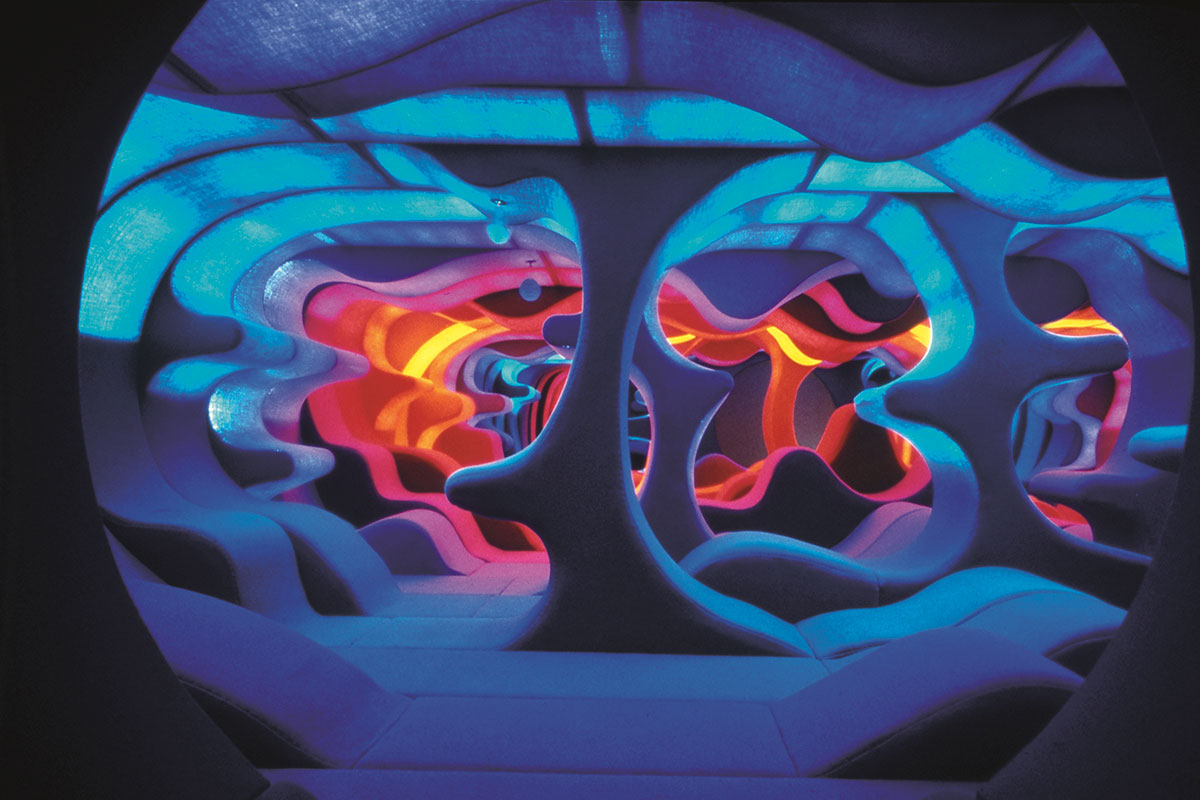
© Verner Panton Design AG
Trained at the Royal Danish Academy of Fine Arts in Copenhagen and having worked in the studio of Arne Jacobsen, Panton emerged from the Nordic design tradition, but by the late 1950s he had already begun moving in a completely different direction. While Scandinavian minimalism of the time privileged restraint and rigour, Panton imagined red, purple and orange rooms, floors that became seating, curtains, soft platforms and fluid environments that challenged the traditional idea of domestic interiors. Colour, light, textiles and patterns became tools to alter the perception of space and create almost cinematic, informal and immersive environments.
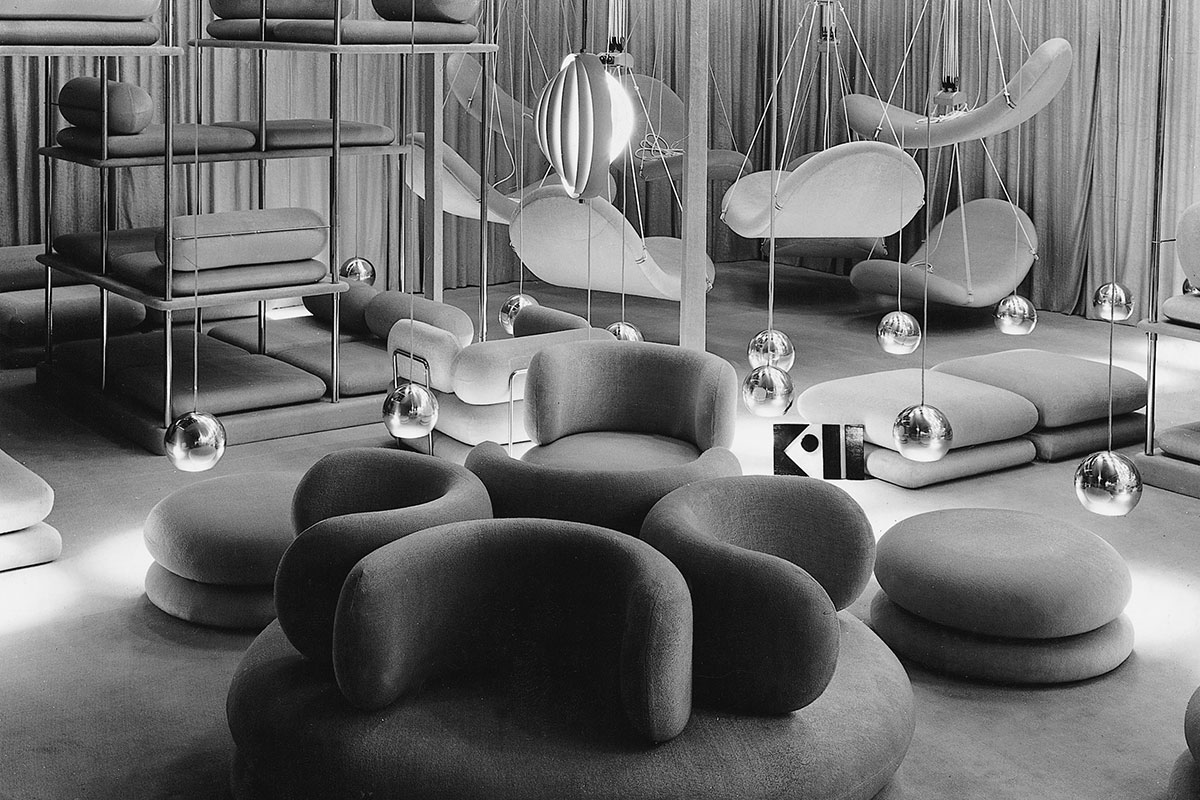
© Verner Panton Design AG
More than designing isolated objects, Panton created atmospheres. And it is probably this aspect - even more than his icons - that continues to make his work so influential today.
Behind that free and experimental aesthetic, however, was an extremely rigorous design precision. The Panton Chair itself, now one of the most recognisable seating designs of the twentieth century, required more than ten years of development before being serially produced by Vitra in 1967. As the first chair made from a single piece of plastic without back legs, it represented a technical innovation that immediately gained international attention.
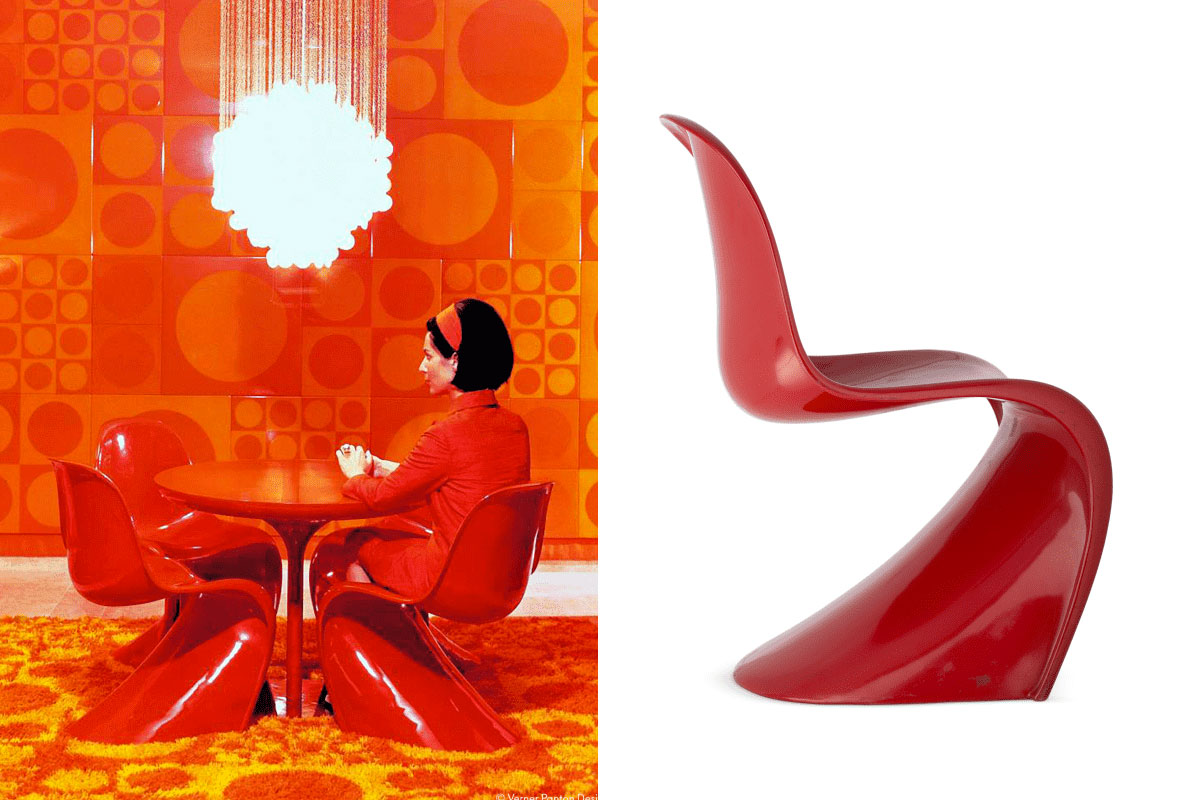
© Verner Panton Design AG
The exhibition follows this evolution chronologically, from the experimental interiors of the 1950s to the large multisensory environments of the 1960s and 1970s, up to the later works of the 1980s and 1990s. Significant space is also dedicated to lesser-known and often unrealised architectural projects, presented through prototypes, models, drawings and materials from the extensive Verner Panton collection held by the Vitra Design Museum. The exhibition design itself also recalls Panton’s creative universe: a large chromatic ribbon runs through the museum spaces, transforming the visit into an experience consistent with his idea of total design, where form, colour and space became a single language.
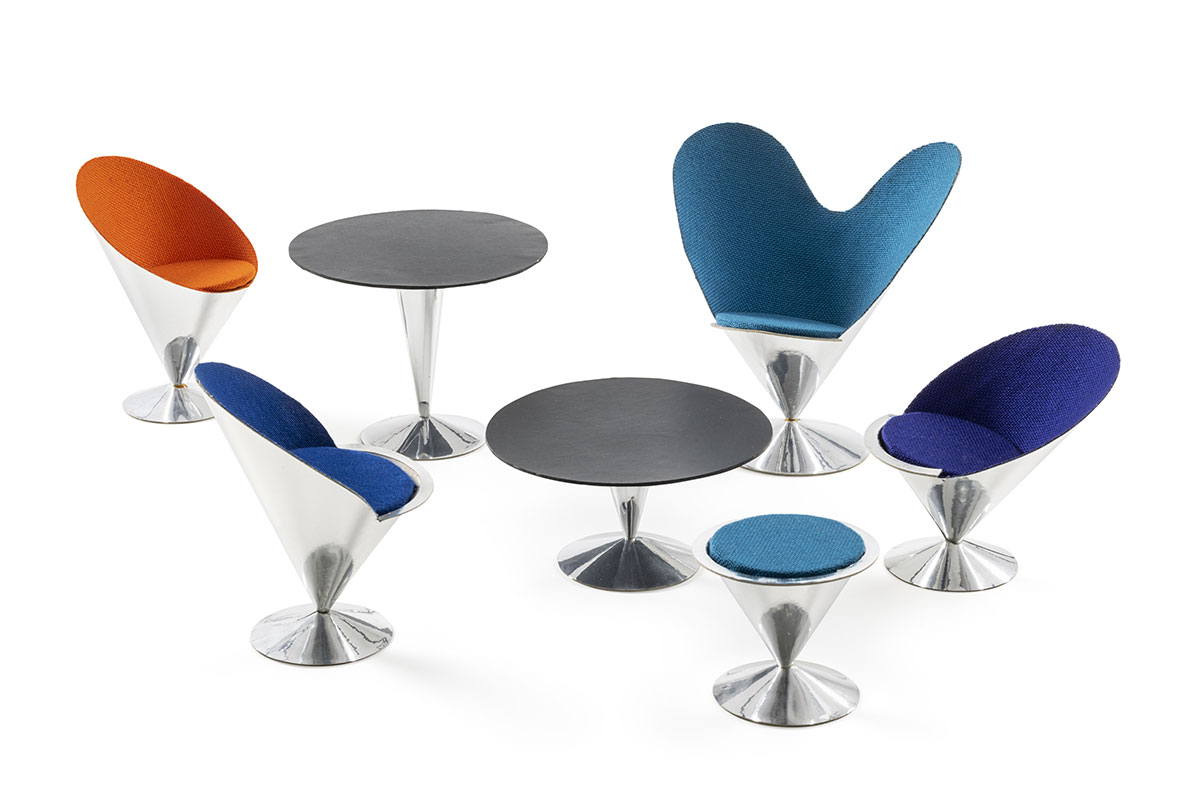
© Verner Panton Design AG
Tag: Mostre Design interior design Vitra
© Fuorisalone.it — All rights reserved. — Published on 13 May 2026
 Iscriviti alla nostra newsletter