Beyond the traditional trade fair, towards a cultural design ecosystem
From May 17 to 19, 2026, the International Contemporary Furniture Fair (ICFF) returns to the Javits Center in New York during NYCxDESIGN. But this edition is more than just another date on the calendar. With the theme “Common Ground: A Global Dialogue on Design and Shared Values,” ICFF aims to redefine its role internationally - positioning itself not only as a trade fair, but as a cultural platform that reflects today’s challenges and changes.
Design is presented as a connecting force, linking disciplines, cultures, economies, and people. This message feels especially relevant at a time marked by new trade barriers, tariffs, and a fragmented global market, where international exchange can no longer be taken for granted. In this context, ICFF strengthens its role as a bridge between markets, going beyond product promotion to support cultural dialogue.
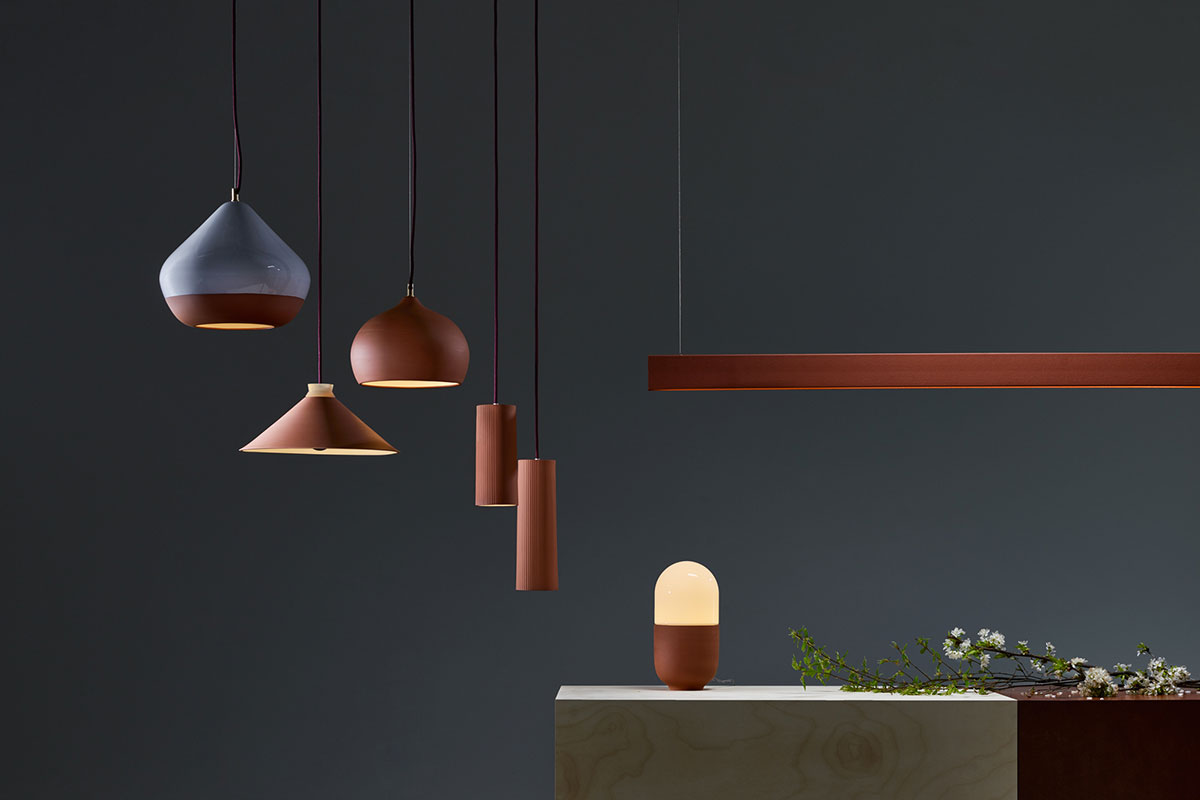
© Hand&Eye_Terracotta
New York becomes a place where international design is not only about commercial visibility, but also about engaging with a more aware and demanding audience - one that cares about quality, sustainability, cultural value, and social responsibility. Design is no longer seen simply as a matter of style, but as a way of thinking and working.
The dialogue with Milan feels natural. While Milan Design Week remains the symbolic and production center of global design, New York is increasingly becoming a space for interpretation and cultural exchange. ICFF 2026 follows this direction: less focus on quantity, more attention to storytelling, curation, and meaning. The presence of international partners, independent curators, media, and historical archives shows a clear move away from the classic trade-fair model toward a broader cultural ecosystem, similar to what happens during Milan’s Fuorisalone.
.jpg)
© Northern Wide Plank Flooring Inc - Nikhanj
It’s no coincidence that themes such as heritage, responsible manufacturing, materials, and the relationship between design and society are central. ICFF’s first charity partnership with Habitat for Humanity sends a strong message, linking design to real issues like housing access and social equity. Here, design moves from representation to action.
In this context, high-quality international design plays a double role: it remains important for the global market, but it also becomes a tool for cultural education, encouraging slower, more responsible, long-term approaches.
A clear example of this vision is the exhibition bringing original Bauhaus materials to ICFF, presented alongside contemporary production through the collaboration between Rarify, Tecta, and the Bauhaus Archive Berlin. This is not about nostalgia, but about showing design as a continuous process, where history, industry, and culture connect. The project bridges the gap between archive and production, museum and fair, past and future.

© LOCO x SMAC_Jack Fenby
ICFF 2026 therefore positions itself as a strategic platform, especially at a time when European exports to the U.S. face new economic and political challenges. The value of design today is not only in selling products, but in its cultural credibility and vision.
New York becomes a key observation point - a place where design builds long-term relationships, not just business opportunities. With Common Ground, ICFF suggests that the future of design lies in creating shared spaces between cities, markets, and cultures, where design becomes a tool for dialogue, responsibility, and common vision.
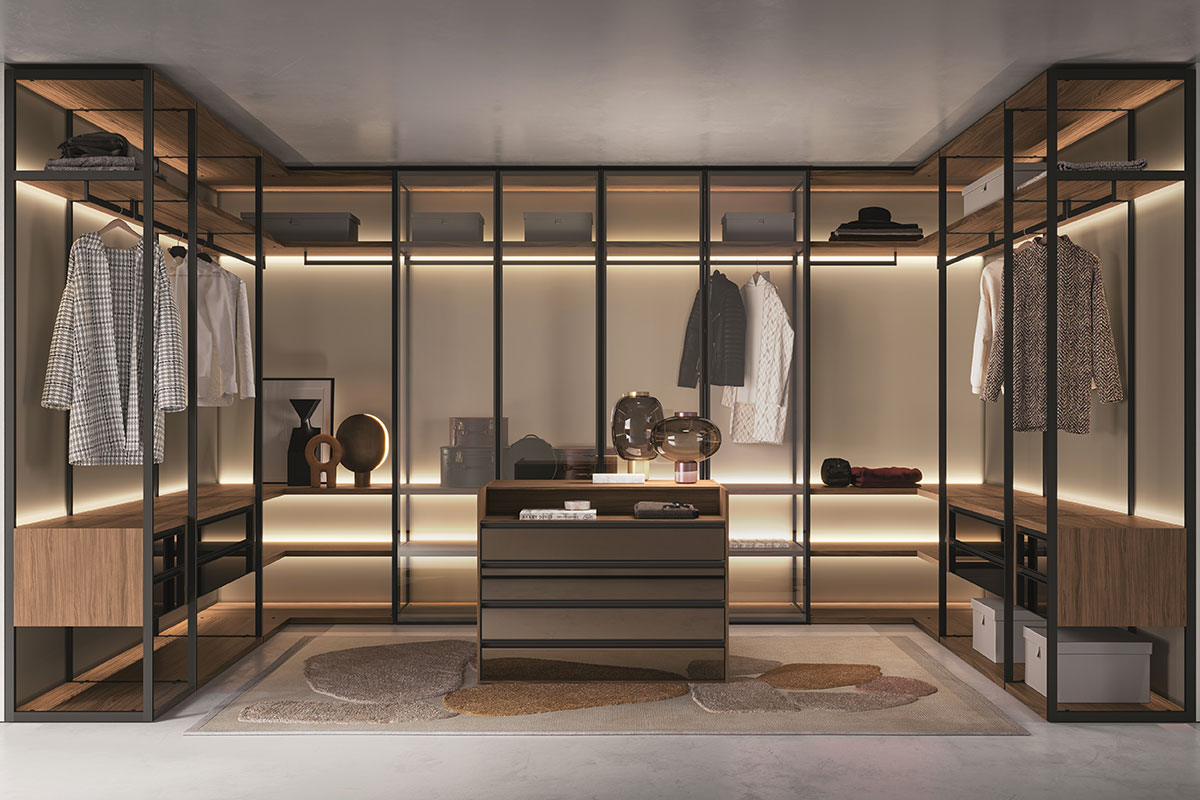
© Anna Gratia Studia
Tag: New York Design Fairs News
© Fuorisalone.it — All rights reserved. — Published on 02 February 2026
 Iscriviti alla nostra newsletter