With the opening of a new showroom in the heart of Milan’s NoLo district, Magazzino76 redefines the intersection of 20th-century heritage, modern antiques, and collectible design - a space where restoration meets a cultural vision of collecting
Within the creative ferment of NOLO, one of Milan’s most vibrant and layered neighborhoods, Magazzino76 expands its horizons. The inauguration of its new showroom is not merely a physical expansion, but a seamless entry into the global conversation on collectible design. It marks the evolution of a project that has always operated at the intersection of time, memory, and the enduring resonance of objects across generations.
Before evolving into a gallery, Magazzino76 was the narrative of its founder, Federico Bellucci, and a gaze trained to recognize value where others saw only the overlooked. From the hidden basements of Milanese estates to the restoration workshop he established in Via Padova in 2000, Bellucci viewed restoration as the primary design act: a deliberate gesture that restores dignity to objects while preserving their historical integrity. From this profound intimacy with materials, Magazzino76 was born in 2015, translating artisanal mastery into meticulous research and curated selection. Over the years, the gallery has become a definitive point of reference for architects, interior designers, and fashion houses. It has attracted a creative community that views 20th-century design not just as an aesthetic choice, but as a shared heritage of meaning.
Courtesy of Magazzino76
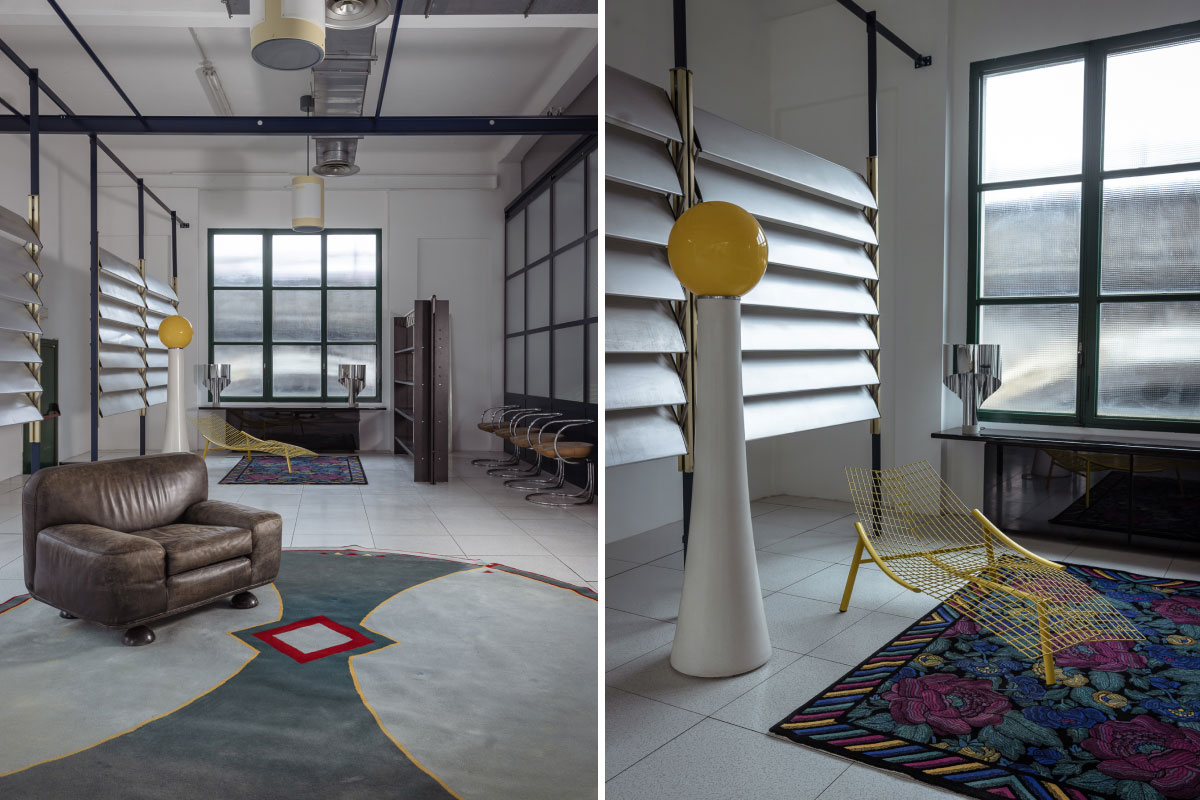
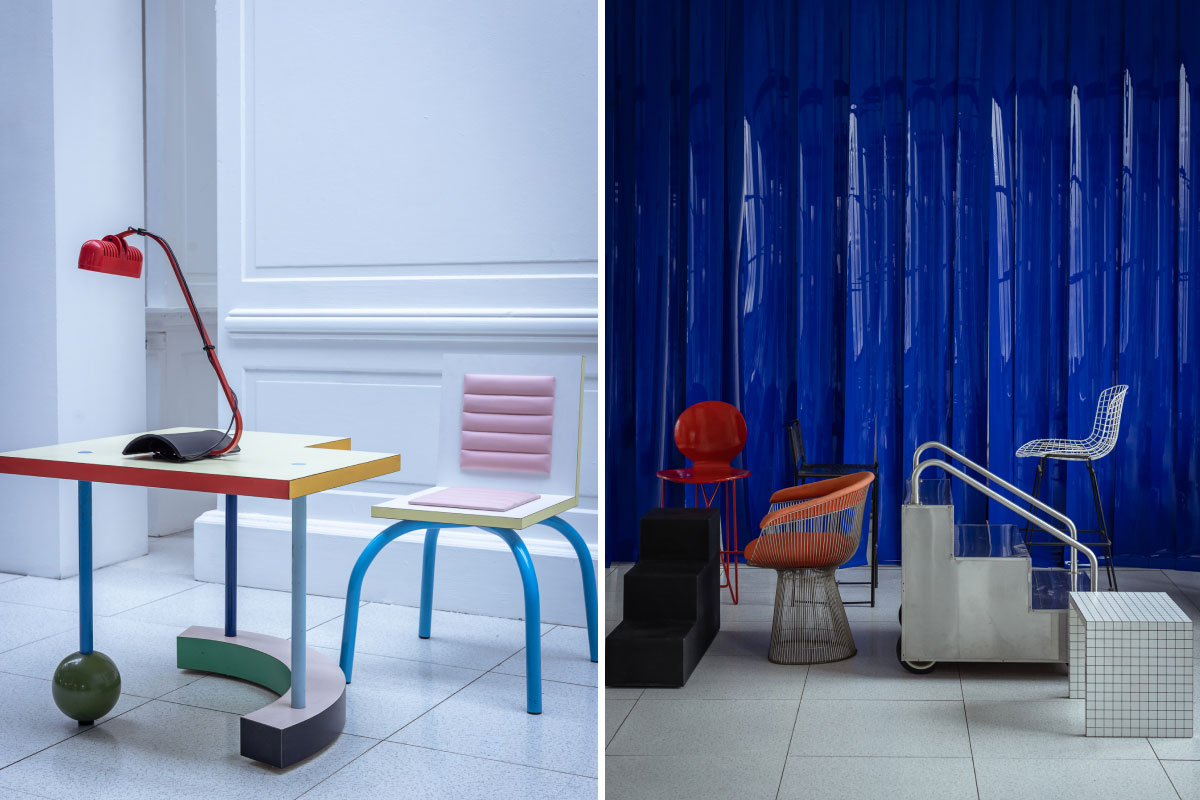
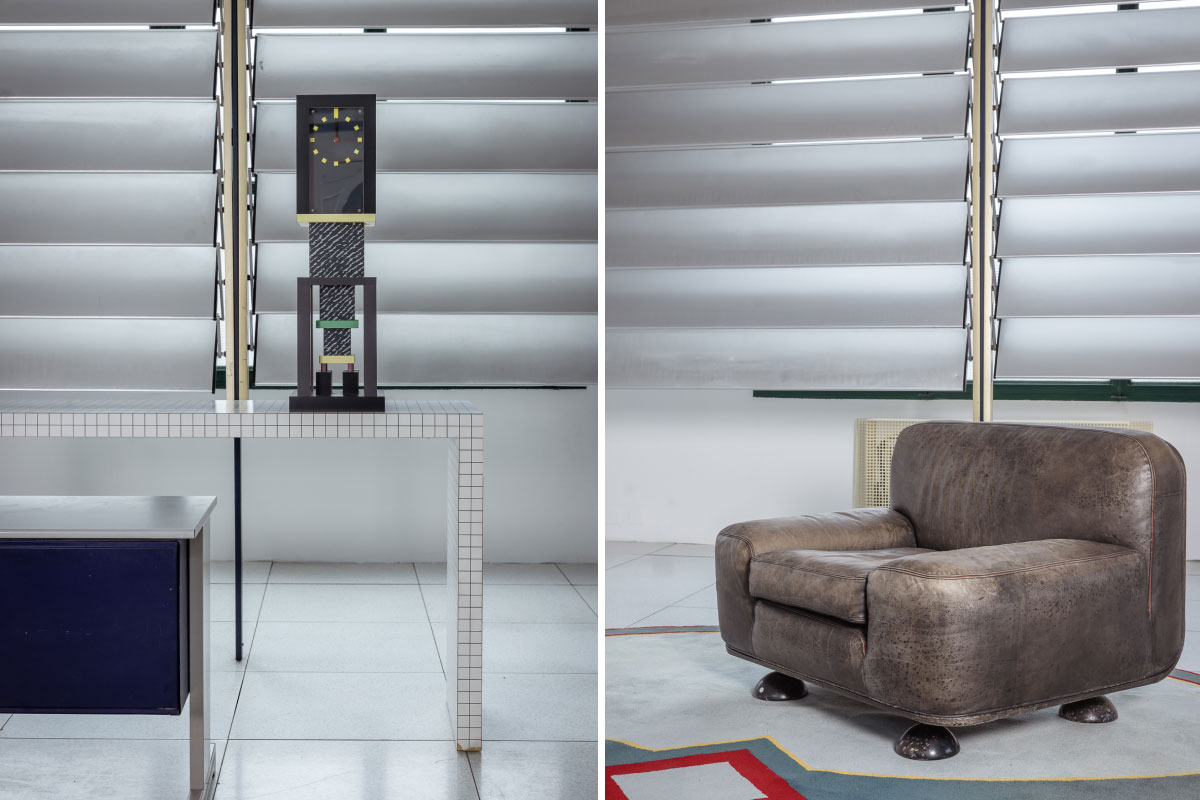
Today, the collection - featuring nearly a thousand lamps alongside iconic chairs, tables, and unique 20th-century furnishings - dwells on the precise boundary of collectible design: objects valued as much for the stories they tell as for their form. The new showroom at Via Merano 18 reinforces this vision, offering an immersive environment where Jean Prouvé’s iconic wave panels transition from functional artifacts into architectural scenography, guiding visitors through a fluid dialogue between eras and materials.
As collectible design gains institutional recognition - epitomized by the debut of the Raritas format at Salone del Mobile 2026 - entities like Magazzino76 assume a vital role. They are no longer just commercial spaces, but cultural outposts interpreting the past to inform the present. In this context, storytelling and restoration are central: design ceases to be mere merchandise and returns to being a shared cultural asset. Federico Bellucci often recalls the words of Dino Gavina as a guiding light: “Your children and grandchildren will remember you - and judge you - also by the furniture you leave behind.” It is a reflection that, amidst today’s debate on the value of design, feels more urgent and relevant than ever.
Courtesy of Magazzino76
Three questions for Federico Bellucci
1. In recent years, collectible design has shifted from a niche field to a global phenomenon, even entering contexts such as the Salone del Mobile with the Raritas format. How have you seen this market change from your point of view?
Collecting has changed because collectors themselves have changed. Every era has its own collectors, but the essence remains the same: beautiful, rare objects created by true masters. What I’ve really noticed compared to 30 years ago is the speed at which interests change.
In the last ten years alone, we’ve moved through four decades of style: the 1930s–40s, the 1950s–60s, the 1970s–80s and the 1990s–2000s.
2. In your work as a restorer and curator, when does an object stop being simply “vintage” and become a true collectible? Does history, rarity, or its ability to dialogue with the present matter most?
You have to start from the idea that any object can be collectible if it is technically well made, well designed and conceived by an enlightened mind. It’s up to the curator to learn how to recognise the beauty, creativity and detail that set an object apart and allow it to exist meaningfully in the present.
A curator sees beauty from an aesthetic point of view; a restorer is also able to recognise it in the quality of how the object was made.
3. What role can a place like Magazzino76 play in this scenario: more gallery, more archive, more research space — or all of these together?
Magazzino76 is a container for those who are looking for authentic, original and curious pieces — objects that make a home truly unique. I think it’s important for us to be seen as a place similar to a museum, but one where you can also buy what you see. We are a gallery, an archive and certainly a place of research, helping to anticipate trends so that we can make informed choices — good investments that can increase in value over time.
Courtesy of Magazzino76
Tag: Milan Design Interviste
© Fuorisalone.it — All rights reserved. — Published on 28 January 2026
 Iscriviti alla nostra newsletter