Reflections on a creative hybrid that blends images, music, and active participation
The debate around video games as an art form began in the late 1980s and continues today among scholars, developers, cultural critics, and institutions. The discussion persists largely because the medium is constantly evolving: its narrative complexity is increasing, museum recognition is expanding, and a growing audience considers it more than mere entertainment. Video games are a peculiar hybrid. They combine graphics, music, animation, writing, and interactive design. The medium is often compared to cinema in its ability to merge pre-existing art forms into a single, unified experience.
Those who define video games as art point to several concrete elements. Video games can create emotional and meaningful experiences. Titles such as Journey and That Dragon, Cancer demonstrate that a game can address themes of loss, solitude, and personal growth, offering not only entertainment but also reflection. Art is not merely representation; it is also invention and interpretation. Okami reinterprets Japanese sumi-e painting, Gris resembles a moving watercolor, and Shadow of the Colossus communicates through space and silence. Yet the artistry of video games does not lie only in what they show, but in what they allow players to do. Choice, failure, and player action are integral parts of the work. This is a language that cannot be replicated in other media. It is also worth noting that institutions such as the Museum of Modern Art (MoMA) in New York and the Victoria and Albert Museum (V&A) in London have included video games in their permanent collections, acknowledging their cultural and design value.
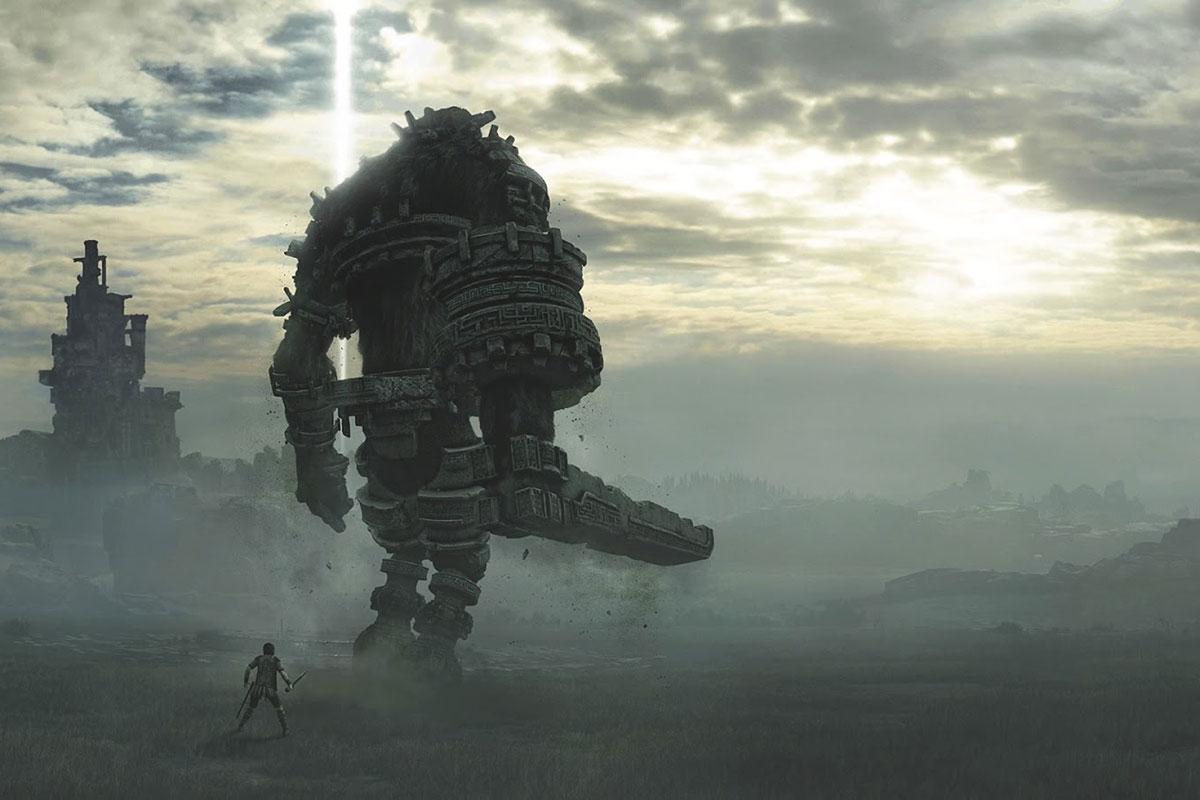
Shadow of the Colossus
Critics who deny video games the status of art often base their arguments on the industry’s primarily commercial objectives. Much of the video game industry is profit-driven, producing sequels and franchises oriented toward market demand rather than expressive research.
Some argue that art should be detached from practical goals, whereas video games - even when complex - remain games, governed by objectives, scores, and systems. A deeper and more nuanced objection concerns the presence of the player, who alters the work itself. Interactivity makes it impossible for the artwork to remain “pure” and “closed”; the author loses full control, and the experience produced is never singular. Interaction and play are also associated with competition, violence, and rapid rewards—elements some consider incompatible with traditional notions of art.
In summary, video games exist in a liminal space. They are already art for those who recognize their expressive power; they are not (yet) art for those who rely on more rigid historical and institutional criteria. Thinkers such as C. Thi Nguyen have shifted the focus to the act of playing itself. In his book Games: Agency as Art, he suggests that play - of any kind - can function as an existential balm, a refuge from life’s complexity. And perhaps, in the end, the only thing left to do is play.
Five video games that fuel the debate about the artistic nature of the medium through their visual, narrative, or conceptual strength.
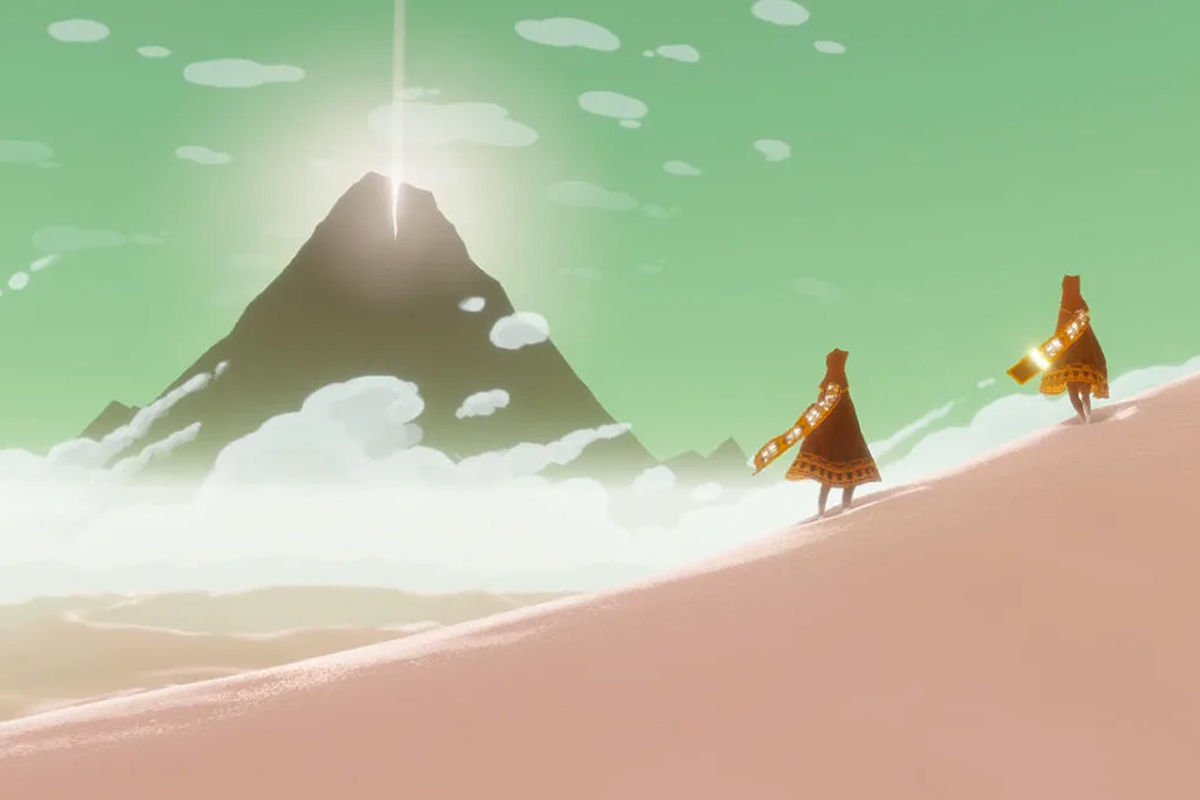
Journey
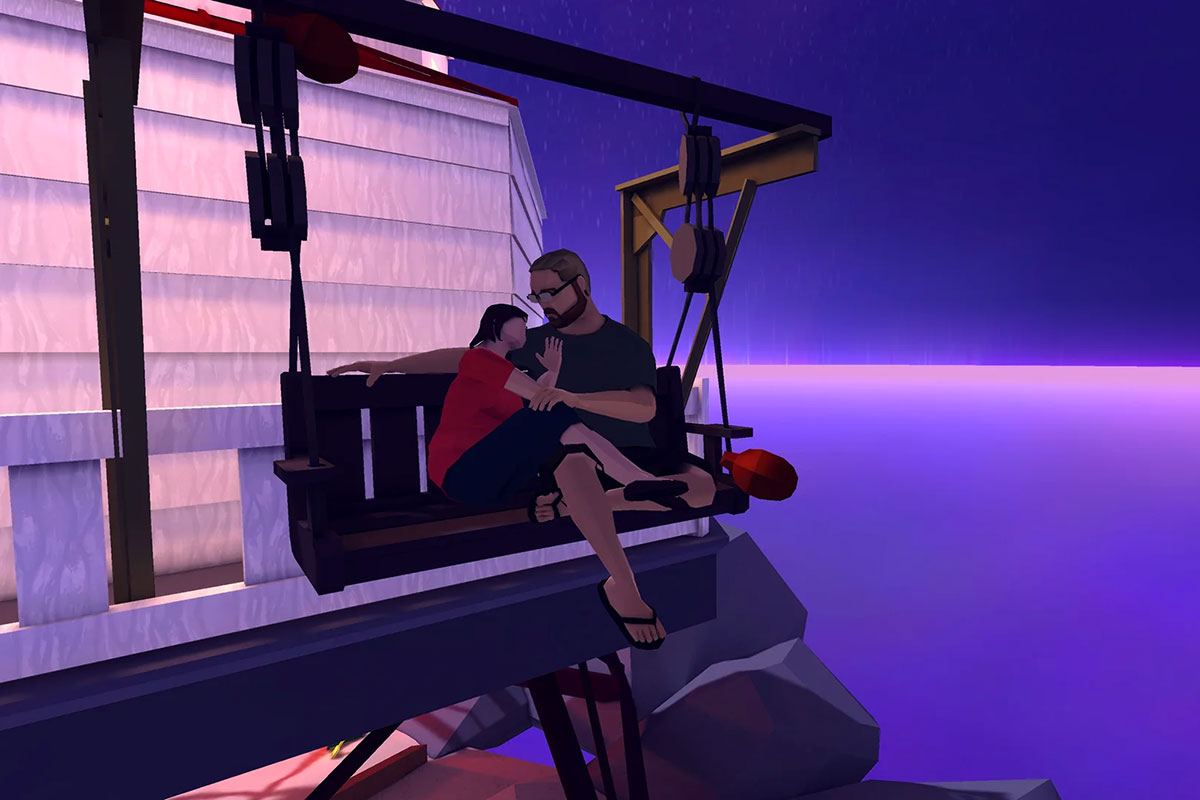
That Dragon, Cancer
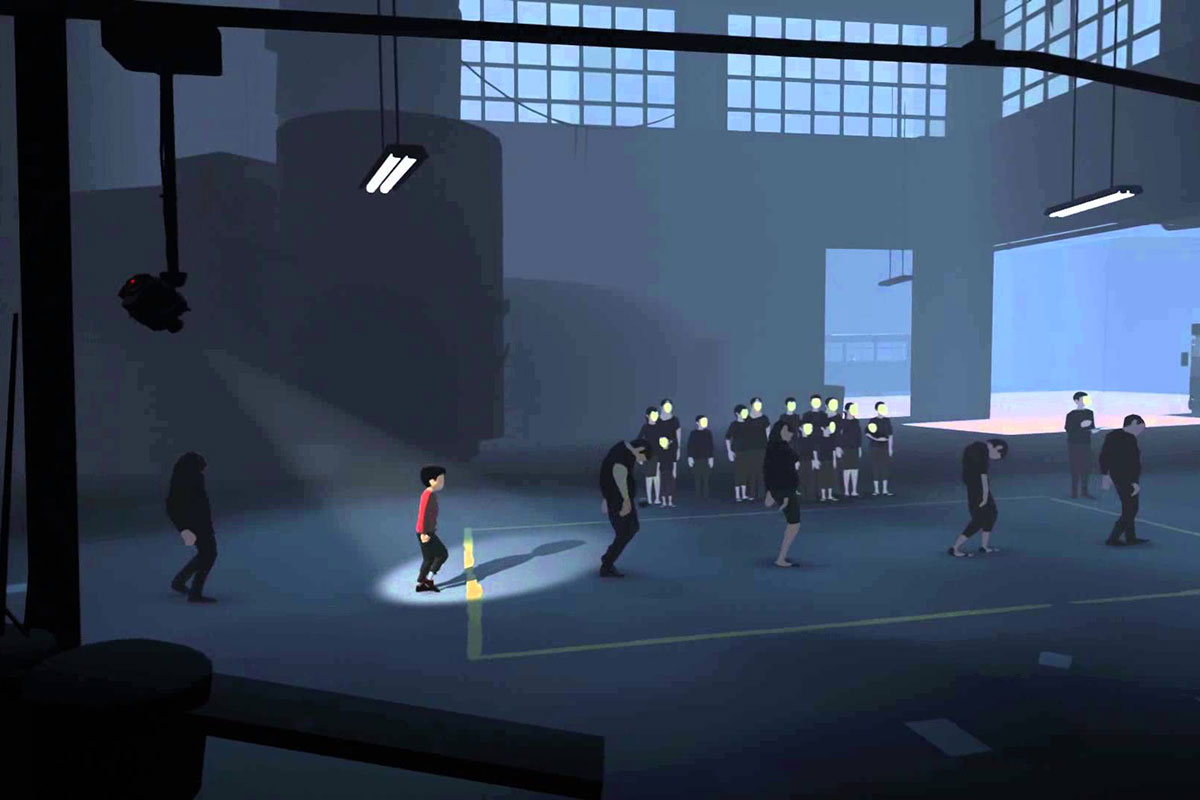
Inside
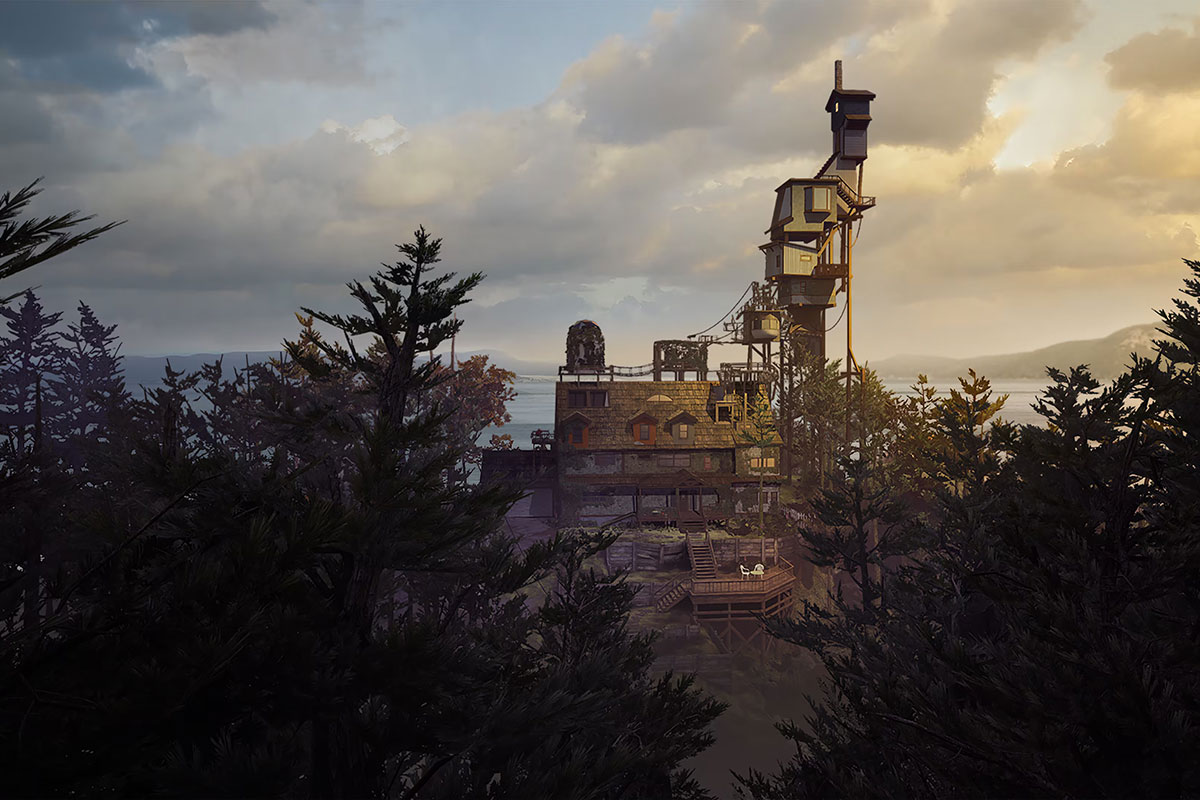
What Remains of Edith Finch
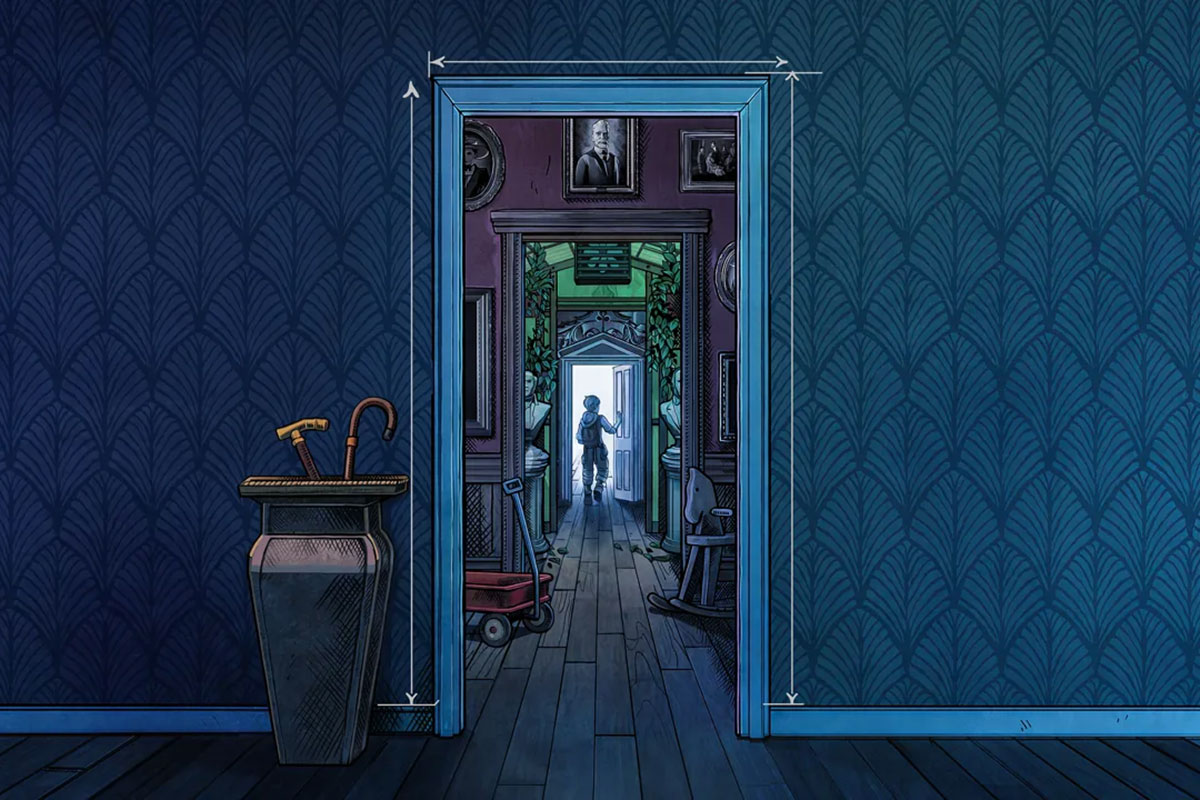
Blue Prince
Tag: videogiochi Art lifestyle
© Fuorisalone.it — All rights reserved. — Published on 26 February 2026
 Iscriviti alla nostra newsletter