The attitude that finds in failure the spark of the creative process
Bruno Munari saw error as a generative resource: “Designing is easy once you know how. But to know how, you must have made many mistakes.” For Enzo Mari, error was part of the making - a direct encounter with matter, whose resistance helped refine thought and shape a more conscious design process.
The theme of Fuorisalone 2026 - Be the Project invites us to embrace the idea that the journey matters more than the destination, and that every idea emerges through a constant dialogue with the unexpected. In this sense, error is not a detour but the very core of creativity - a space where thought sharpens, form evolves, and the project becomes self-aware. Within this zone of uncertainty - where technique meets intuition - lies the most authentic act of design. Many contemporary reflections in architecture and design still move within this delicate balance between control and discovery.
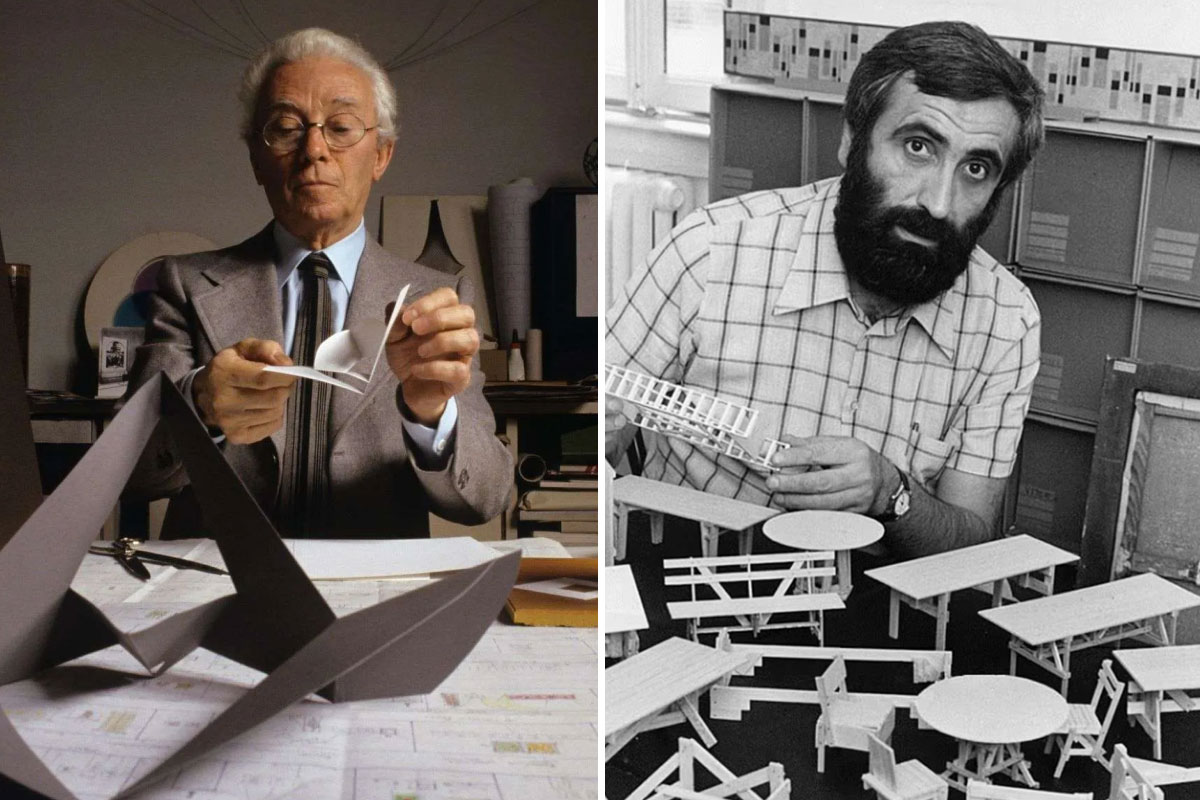
Image on the left: image source The Art Libido
Image on the right: image source Artemest
In the first episode of Sull’Errore (“On Error”), a new podcast hosted by Mario Calabresi and produced by Chora Media and Politecnico di Milano, architect and alumnus Renzo Piano and rector Donatella Sciuto reflect on error as an opportunity for growth. Piano explains that, in his lessons, he always asks students to analyze and discuss the mistakes found in his projects. “A construction site is a place of errors, adjustments, and discoveries,” he says. For him, design is an exercise in humility, a constant balance between technical precision and artisanal intuition. “Every failed attempt brings us closer to the result,” adds Sciuto, reaffirming the importance of failure in the process of discovery and innovation.
A similar reflection appears in a recent article in Interni, where researcher Montserrat Fernandez Blanco - who introduced the Mexican format FuckUp Nights to Italy - describes failure as “the core of the design discipline.” According to her, if no failures occur in the creative process, it means we are merely repeating what has already been done. Failure, then, becomes the true ground of experimentation, the essential condition for innovation. Yet it is also an experience that demands time and awareness: “We live in a technological, immediate world, but failures need human time,” she notes, reminding us that the emotional and painful dimension of error is an integral part of learning.
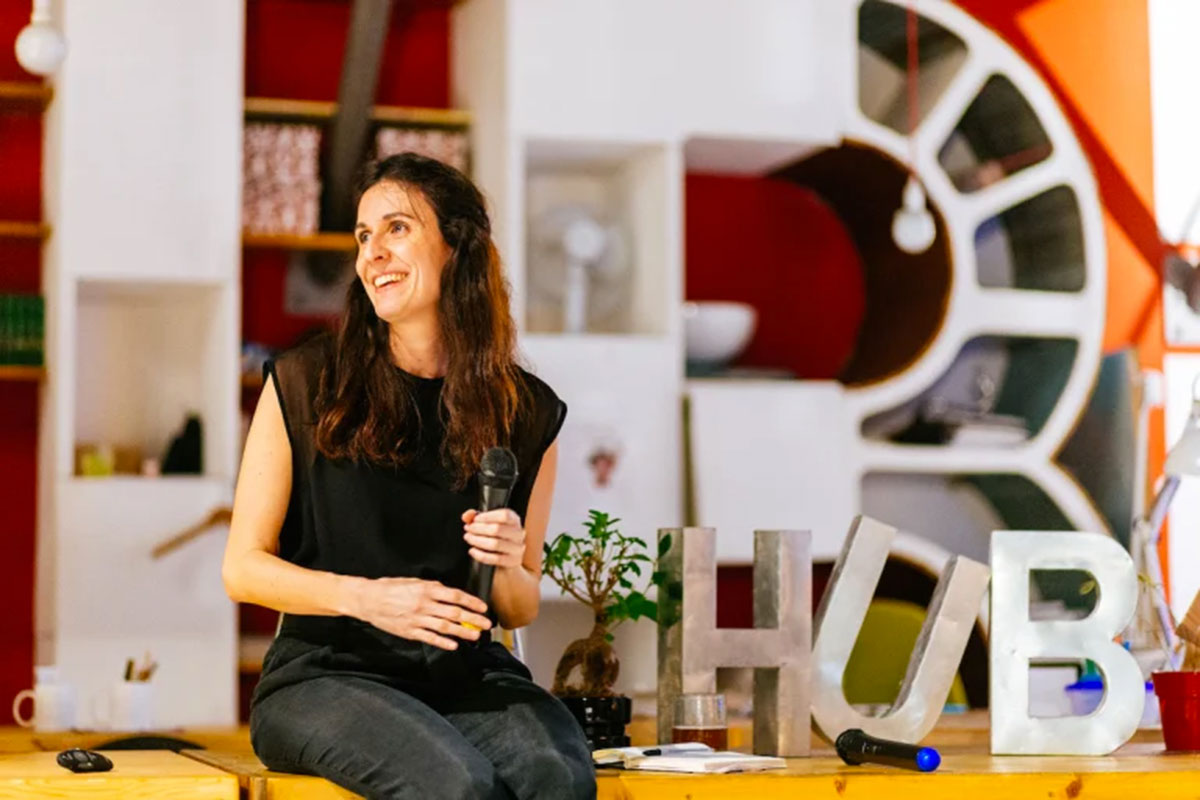
Montserrat Fernandez Blanco © www.gabrielezanon.com
This same idea runs through the work of Donald Schön, philosopher and theorist of learning, among the first to interpret design as a reflective practice. A professor at the Massachusetts Institute of Technology (MIT), Schön described the designer as a “reflective practitioner” - someone who thinks while acting and learns through doing. For him, error is not a misstep to fix, but a response from the project itself - a signal to interpret, a way to better understand both context and material.
To Be the Project, then, is to inhabit this continuous dialogue between intention and reality - embracing the unexpected as a natural part of creation. Error becomes not just an inevitable step, but a condition of freedom: an invitation to experiment, to look differently, and to keep the process open. In the age of artificial intelligence and algorithmic precision, rediscovering the creative power of error may be the most deeply human act design can make.
Tag: Fuorisalone Be the Project Design Design Review
© Fuorisalone.it — All rights reserved. — Published on 06 November 2025
 Iscriviti alla nostra newsletter