A former Milanese factory is reborn as a restaurant and cocktail bar. But Nomad is already looking further afield, with plans spanning residential living, hospitality and urban regeneration
There is another side of Milan that is changing, particularly beyond the city's more established addresses. Former industrial sites and factories are finding new uses, while neighbourhoods are being transformed not only through architecture and the redevelopment of existing spaces, but also by the businesses and people choosing to make them their home. Certosa District, in north-west Milan, is one of the places where this transformation is taking shape. Leading its evolution is RealStep, a property development company reshaping the neighbourhood by restoring industrial buildings and attracting new creative businesses and entrepreneurs. It is against this backdrop, at Via Varesina 184, that Nomad has opened in a former factory dating from the 1980s. More than 1,500 square metres have been reimagined around an Industrial Jungle concept, where concrete, stone and wood sit alongside lush greenery. The project brings together a restaurant, cocktail bar and spaces for music and events, with Francesco Guarino in charge of the kitchen and Marcos Néia overseeing the cocktail programme. But Nomad is already looking beyond its Milanese home. The project also includes OASI Nomad Beach House in Santa Teresa di Gallura, Sardinia, and Nomad Factory Living, a residential development of 35 industrial-inspired lofts in Certosa District. Food, design and entertainment are thus becoming part of a broader venture spanning dining and residential living, with the ambition of building a recognisable identity. We spoke to Alberto Baldaccini, Fabricio Lanfredi and Dario De Lisi, three of the leading figures behind the creation and development of Nomad, whose backgrounds range from finance and communications to hospitality.
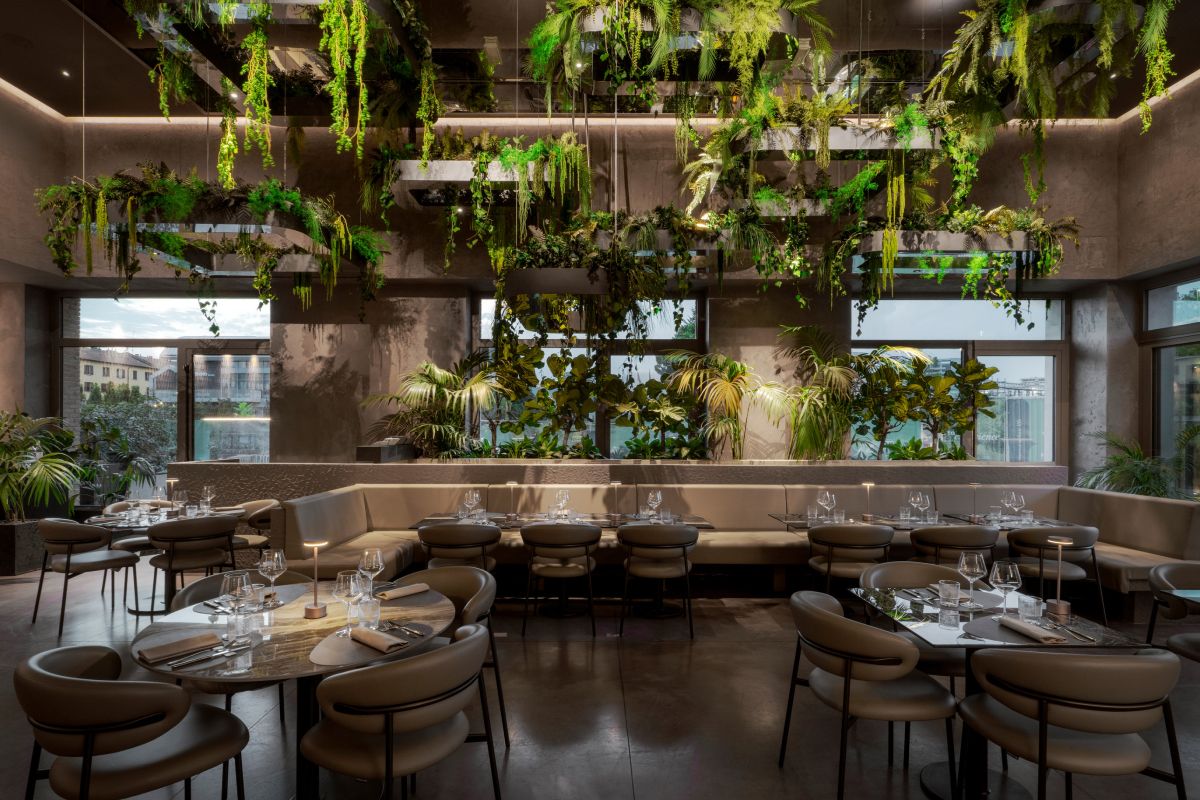
Let’s start with the newly opened Nomad restaurant. What is the idea behind the project?
Alberto Baldaccini: Nomad's main aim is to give every guest an experience worth remembering and sharing long after they have left. It might be a particular dish, a food and cocktail pairing, or the combination of music, service and surroundings. What matters is that everyone can enjoy an experience that feels unique and is always a pleasure to look back on. At the heart of it all are the freshness of the ingredients, the tactile qualities of the interiors and the comfort of the atmosphere. Together, these elements are intended to make every guest feel at ease, whatever they have come for or wish to try.
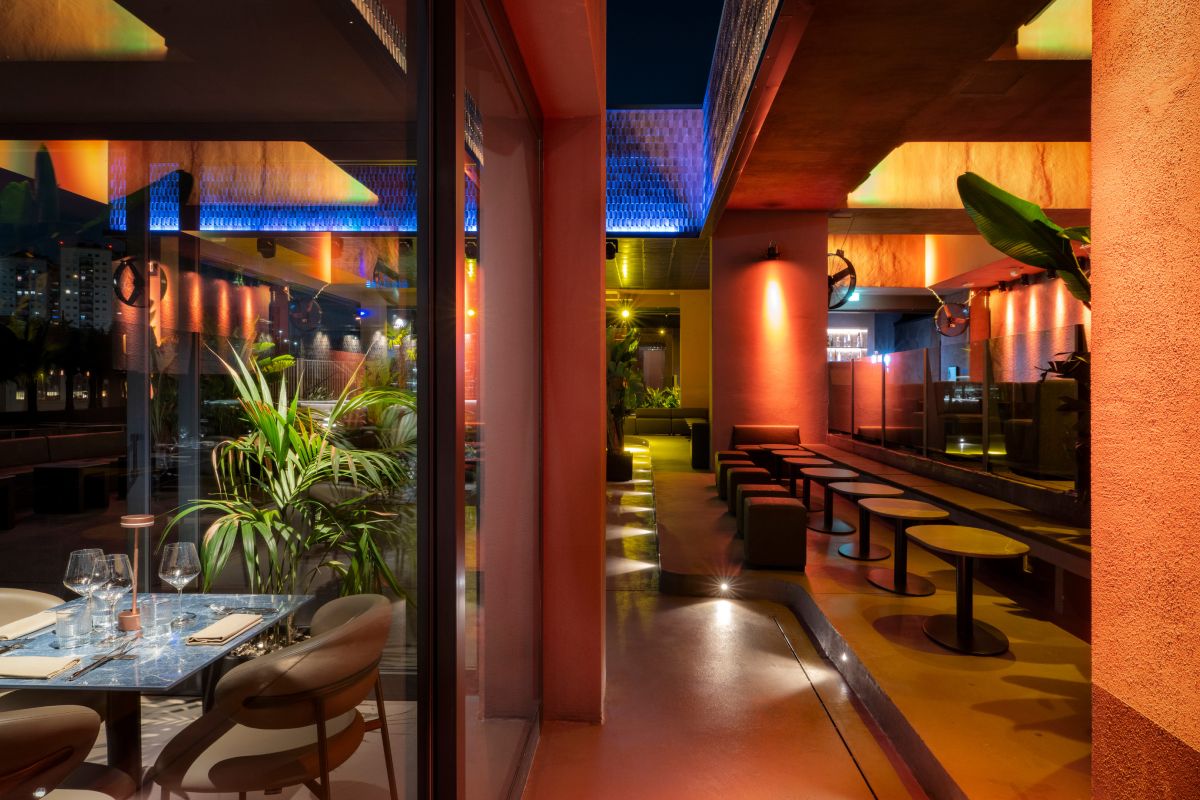
Nomad has already reached Sardinia with OASI Nomad Beach House and is now moving into residential development with Nomad Factory Living. Is the aim to build a lifestyle brand? What developments are next?
Dario De Lisi: The aim is indeed to create a lifestyle brand that gives every location Nomad's distinctive characteristics: a focus on the uniqueness of the experience and consistency across the offering, service, design and atmosphere. Nomad Beach House in Santa Teresa was created along these lines, as was the Nomad Factory Living residential development at Via Brunetti 9 in Milan. The same experiential spirit, mood and atmosphere have been carried through to the summer club on Via Varesina, next to the restaurant. We strongly believe in the development of Certosa District. That is why we became involved in a residential project that brings Nomad's culture, design and atmosphere into a private home, with the same sense of welcome and comfort that we strive to offer every guest at the restaurant. We are currently considering two further spaces in Certosa District that are expected to become part of the Nomad ecosystem from 2027. Beyond restaurants, our next developments will also focus on residential projects and hotels designed to offer guests a unique experience that goes beyond simply spending the night. Across all these activities, the focus remains on the experience, in both B2C and B2B contexts.
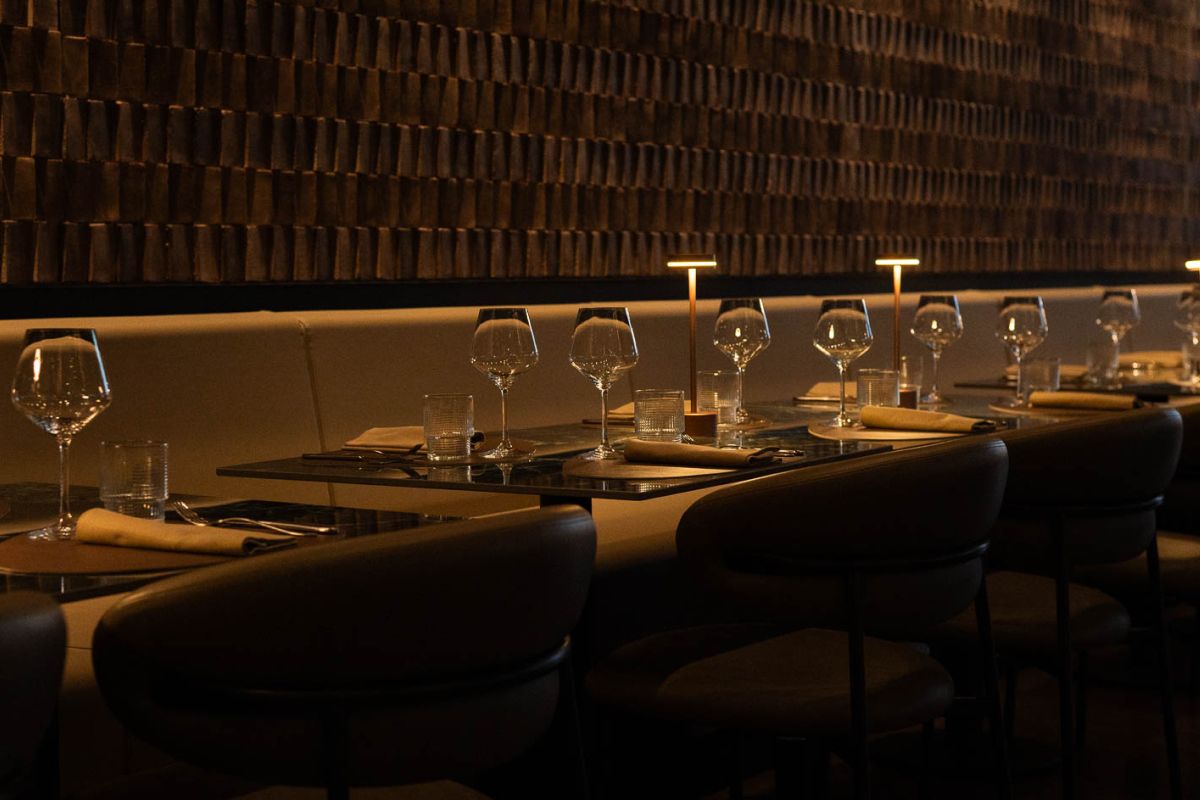
Certosa District is one of the most interesting areas in Milan's urban transformation. How do you see the neighbourhood evolving over the coming years? And what role can projects such as Nomad play in shaping a new identity for this part of the city?
Fabricio Lanfredi: Certosa District is undoubtedly one of Milan's most dynamic neighbourhoods at the moment, thanks to the strong impetus for renewal provided by RealStep. We are now beginning to see the first results of major urban regeneration projects, but this is only the beginning. Several key areas of the overall development have yet to be completed, and they will have a significant impact on the liveability of the neighbourhood, as well as on its visual character and functionality. Nomad sits at the heart of this development, bringing something genuinely new not only to the neighbourhood but to Milan as a whole. Our aim is to attract an ever-growing audience to the district, drawn by the prospect of new experiences and something different to discover. Certosa District as a whole is built around the development of businesses with a strong identity, both in what they offer and how they deliver it. Alongside Nomad, there are outstanding examples such as Loste and Abba, the restaurant of chef Fabio Abbattista, which has already been awarded a Michelin star.
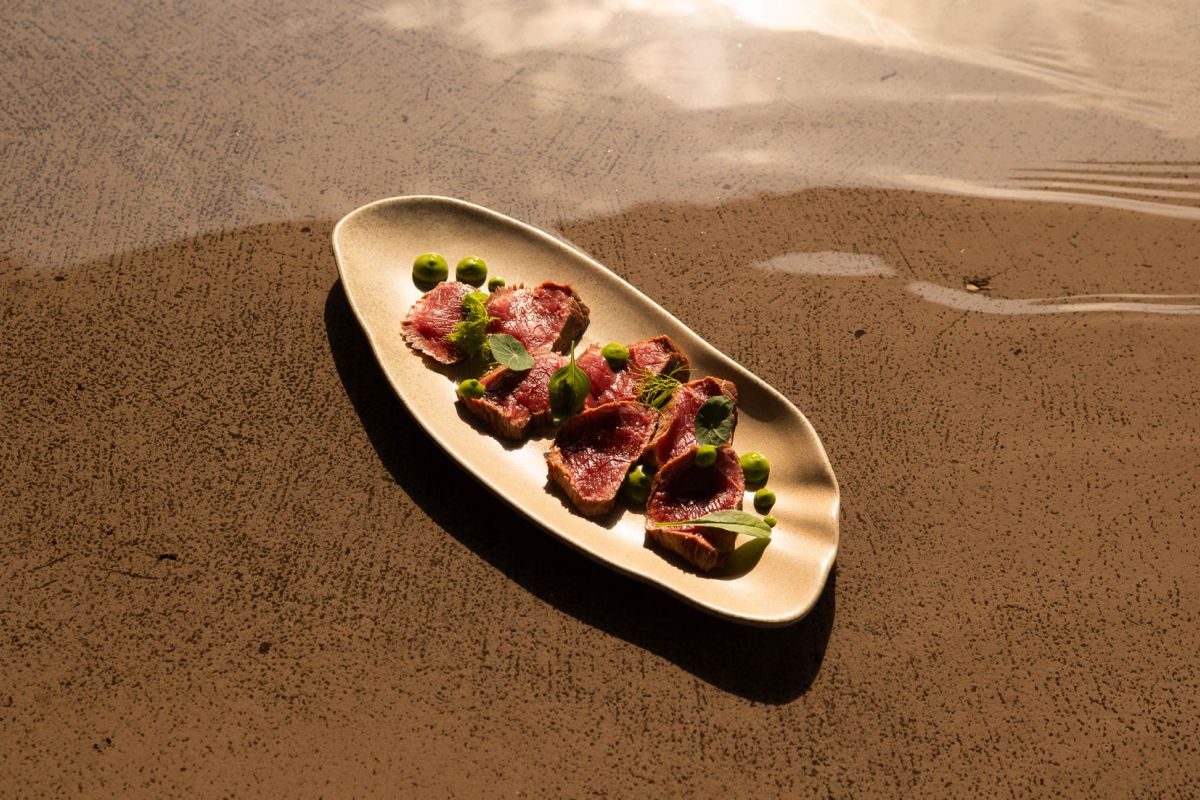
With food, design and entertainment coming together, restaurants are becoming more than simply places to eat…
Alberto Baldaccini: Traditional restaurants will continue to retain their regular customers, provided they maintain the quality of food and service that has distinguished them over the years. New restaurant concepts, however, will need to find a particular area or niche in which they can excel if they are to compete and survive in an increasingly complex and demanding industry. Some new restaurants will undoubtedly choose to specialise in a niche that brings several elements together into a coherent experience, just as Nomad does. But there are still many opportunities for growth and innovation, in a number of different directions. We will therefore be ready to embrace - and, wherever possible, set - the trends that will shape the restaurant industry in the years ahead.
Tag: Ristoranti lifestyle Milan Fuorisalone tips Design Urban regeneration
© Fuorisalone.it — All rights reserved. — Published on 13 October 2026
 Iscriviti alla nostra newsletter