Tate Britain brings together art, fashion, photography and club culture to revisit the decade that transformed contemporary visual culture
Before social media, images circulated through magazines, runways and clubs. In the 1990s, fashion, art, photography and music began to converge: magazines such as i-D and Dazed & Confused gave a platform to a new generation, grunge brought imperfection and realism into fashion imagery, raves and club culture became spaces for experimentation, while the Young British Artists burst onto the scene. It is this intersection that provides the starting point for The 90s: Art and Fashion, the exhibition at Tate Britain in London from 8 October 2026 to 14 February 2027. More than 100 photographs, paintings, sculptures and garments, and nearly 70 artists, photographers and designers, come together to capture a period of extraordinary creative energy. The exhibition is curated by Edward Enninful, who experienced those years first-hand: at just 18, he became fashion editor of i-D, a magazine rooted in street style that went on to become one of fashion’s most influential publications.
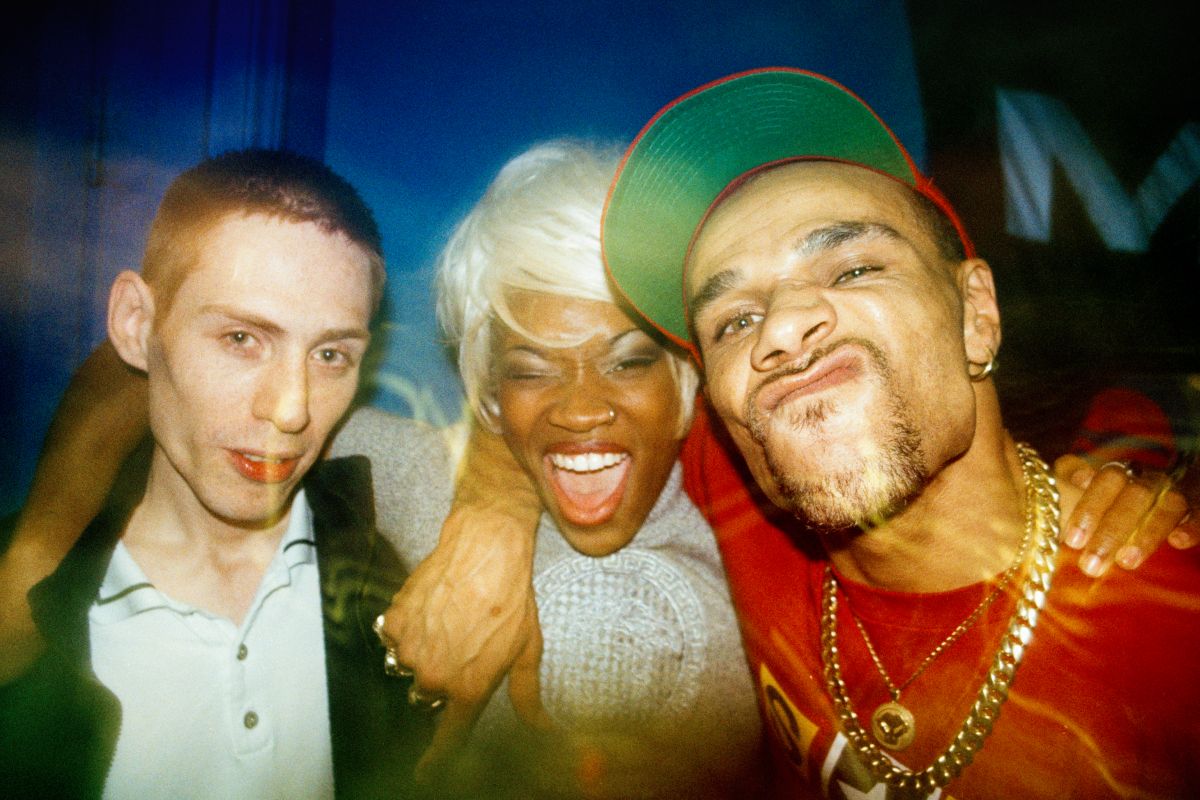
Eddie Otchere Metalheadz Sunday Sessions in the Blue Note, Hoxton Square 1995-1996 (c) Eddie Otchere
The exhibition begins with the DIY culture and anti-fashion aesthetic of the early 1990s. Photographs by Corinne Day, Nigel Shafran and Juergen Teller replaced polished perfection with something rawer and more immediate. This was the context in which Kate Moss, photographed in Liza Bruce’s sheer slip dress, caught the attention of the tabloids, while artists such as Barbara Walker, Jenny Saville and Gillian Wearing turned to real people as their muses, and Tracey Emin, Sam Taylor-Johnson and Sarah Lucas explored identity, class and agency. But any account of the 1990s also has to move beyond the gallery. A significant part of the exhibition enters the world of clubs, raves and music subcultures: from Manchester’s Haçienda to Bagley’s in London, and from the birth of acid house to jungle, hip-hop and drum and bass. Photography and film document a counterculture fuelled by flyers and payphones, while Fiorucci Made Me Hardcore, Mark Leckey’s 1999 film, explores club culture through archival footage.
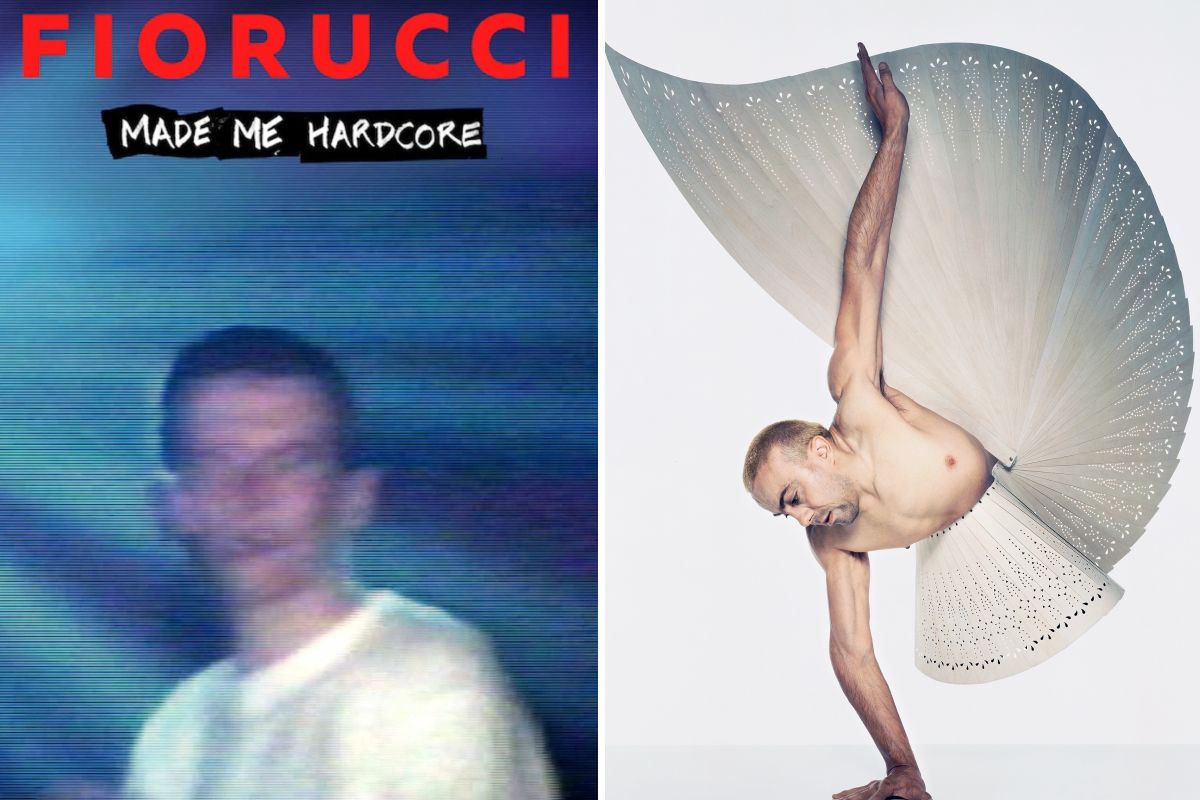
A sinistra: Fiorucci Made Me Hardcore di Mark Leckey / A destra: Nick Knight, David Toole 1998, printed 2016. Image courtesy of Nick Knight SHOW Studio
The exhibition also challenges the optimistic narrative of Cool Britannia, giving space to those who were largely excluded from it, from Steve McQueen and Chris Ofili to designers Ozwald Boateng and Joe Casely-Hayford. Then there is the relationship between art and fashion. Alexander McQueen brought provocative, theatrical presentations to the runway, while Hussein Chalayan drew inspiration from everyday objects: his celebrated table skirt is among the works on display, alongside Vivienne Westwood’s Super Elevated Ghillie shoes from 1993. The art scene is represented by figures including Damien Hirst, Rachel Whiteread, Helen Chadwick, and Jake and Dinos Chapman.
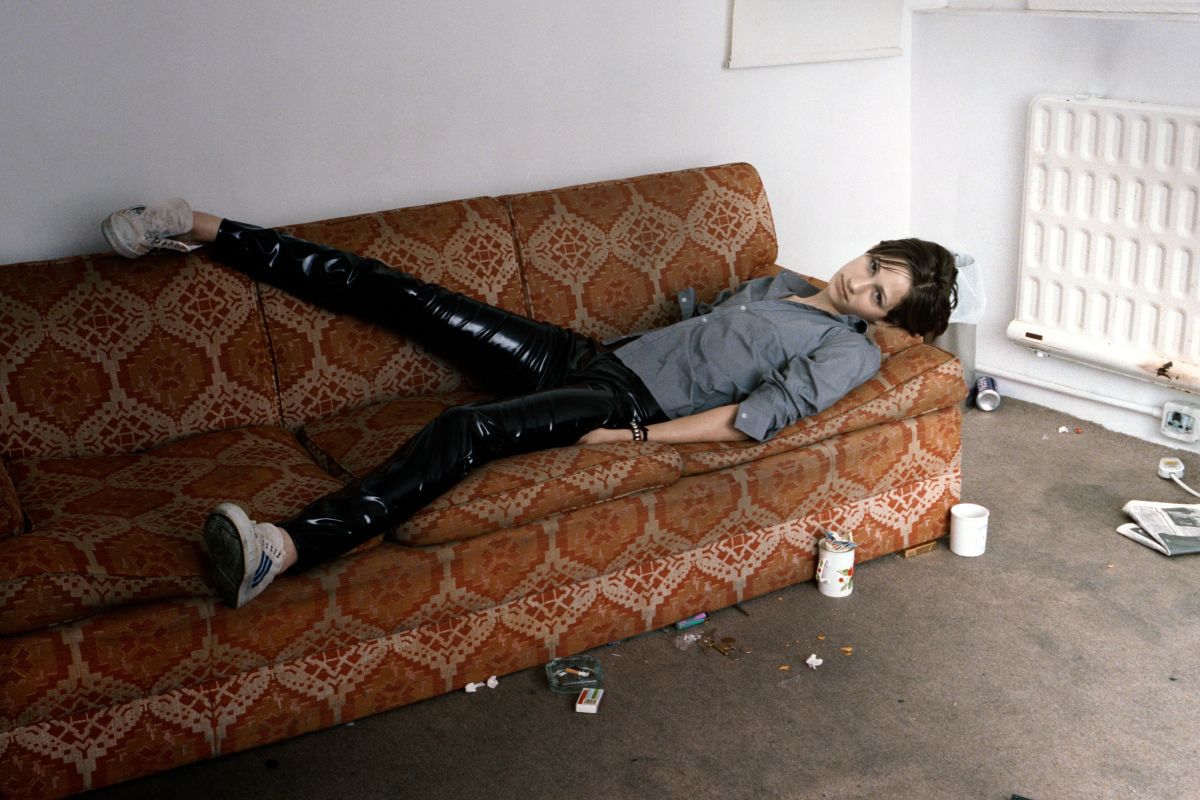
Corinne Day England's Dreaming, The Face, August 1993 1993 (c) Corinne Day Estate.
Tag: Fotografia Art Mostre News
© Fuorisalone.it — All rights reserved. — Published on 05 October 2026
 Iscriviti alla nostra newsletter