From biodesign to circular digital manufacturing: at Politecnico di Milano, two new laboratories rethink the relationship between design, nature and production
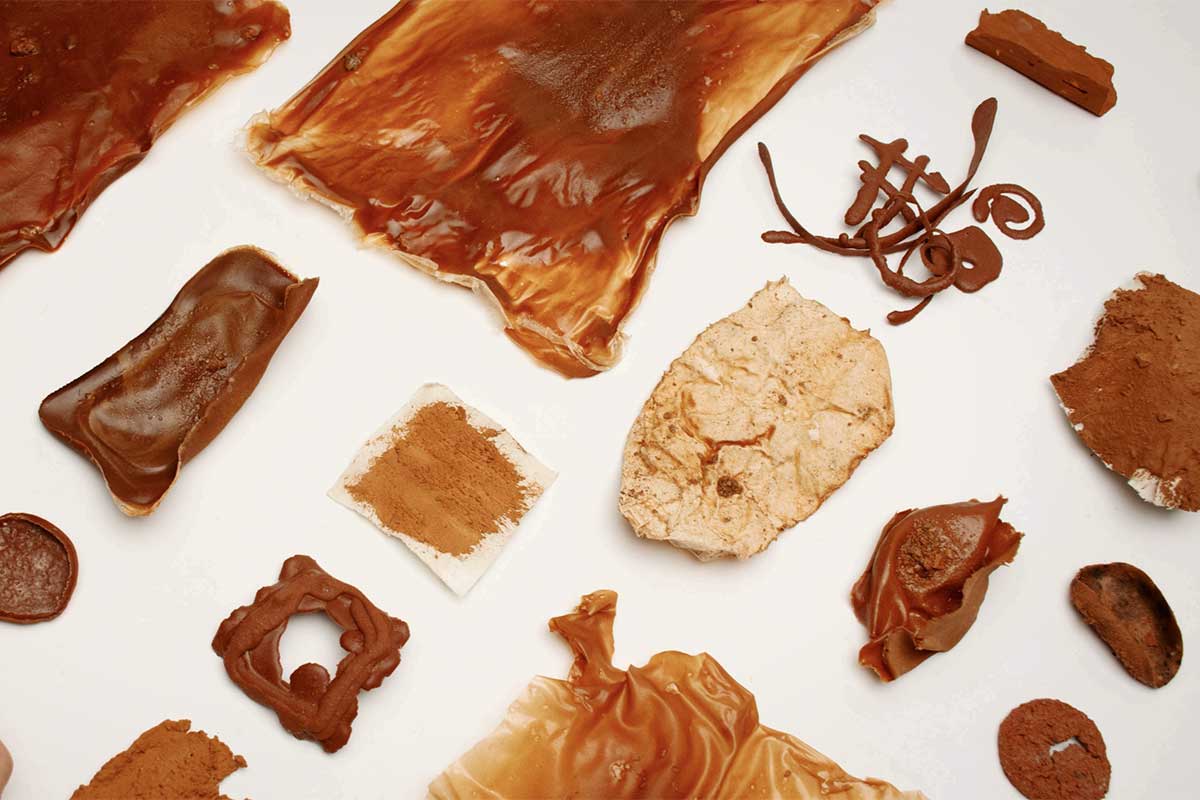
In recent years, biomaterials have emerged as one of the most transformative areas in contemporary design and architecture. This shift is not simply about replacing one material with another; it signals a broader redefinition of production and social paradigms. Renewable biomass, industrial waste from the textile and fashion sectors, organic residues, and living organisms - such as bacteria, algae, and mycelium - are being used to generate bio-based or biofabricated materials capable of evolving over time and interacting with their environment. In a field historically grounded in extraction and industrial processing, biodesign introduces an alternative logic: collaborating with biological processes, engaging with the temporality of natural cycles, and designing materials that move beyond impact reduction toward ecosystem regeneration.
© Anastasia Prozorova, Ivanna Harulia, Giulia Fabro, Marta Figueiredo
Within this context, the Department of Design at Politecnico di Milano has inaugurated two research infrastructures that embody this forward-looking approach: the B.Lab - Biodesign and Materials Design for Transition Lab and the Circular Fashion-Tech Lab. Both laboratories are conceived to address the urgent ecological and digital transitions reshaping contemporary production systems. The opening took place at the Bovisa Durando campus in the presence of the Director of the Department of Design, Paola Bertola, and the scientific leads Valentina Rognoli and Daria Casciani. The initiative is part of the University’s sustainability and innovation strategy under the framework of Made in Italy Circolare e Sostenibile, through the project Fashion-Tech Design for Circularity (FasT4C) funded by PNRR NextGenerationEU.
The B.Lab focuses on biodesign and the development of regenerative and circular design practices. Here, design does not merely select materials; it intervenes directly in their generation. Research activities explore local and renewable biomasses, industrial by-products, and both organic and non-organic waste streams, combining biofabrication, DIY experimentation, and traditional manufacturing techniques. The laboratory is equipped for biofabrication processes that include the cultivation and use of fungi and mycelium, treated not simply as resources but as active agents within the design process. The ambition is not only technical but cultural. The “bio” dimension becomes an operative component of the project - a form of material intelligence characterized by behaviors, temporalities, and transformations with which designers must actively engage. Research also investigates bioreceptivity, defined as the capacity of materials to host and support living organisms. This opens new scenarios in which surfaces and architectural elements function as dynamic systems capable of interacting with their surrounding environment. Materials are no longer inert substances but components of evolving ecosystems, requiring designers to adopt a truly ecological mindset.
© CFTLAB_Circular Feedstock
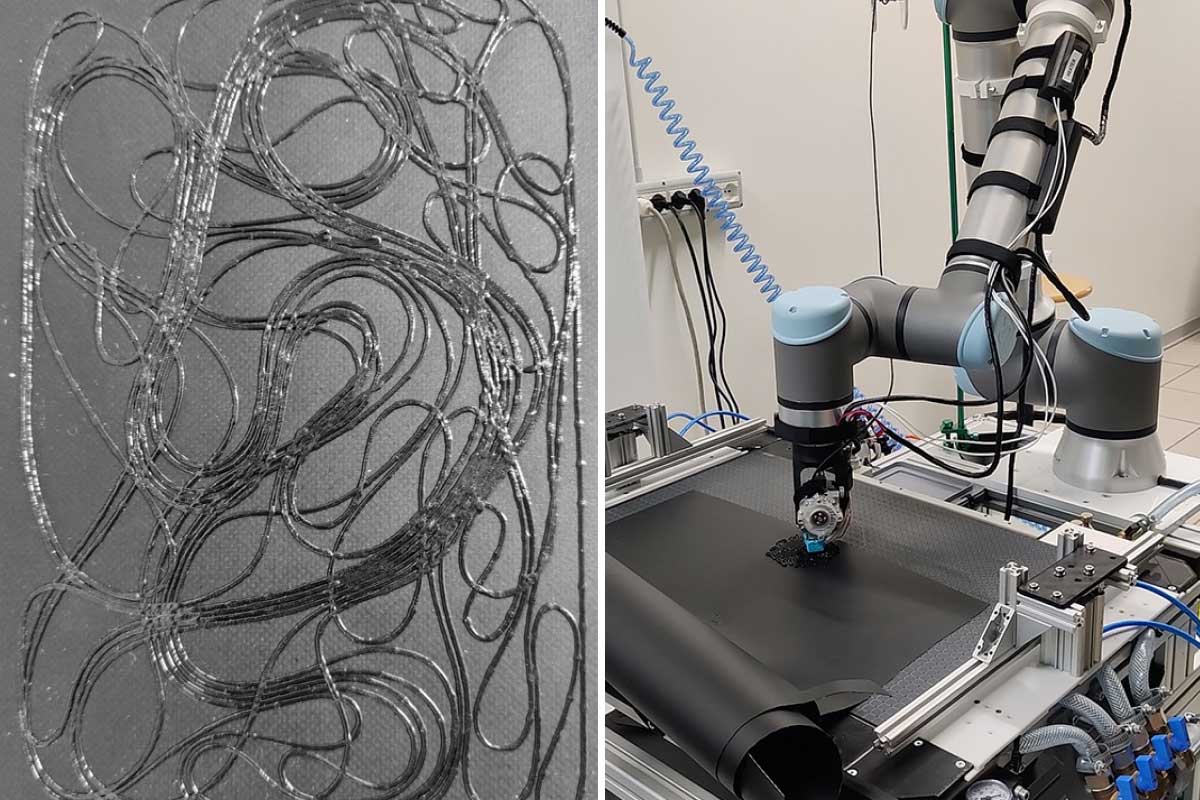
Alongside this work on biomaterials, the Circular Fashion-Tech Lab addresses the twin digital and sustainable transition in the fashion sector. It integrates 3D body scanning and digitization technologies, 2D and 3D CAD systems for parametric garment design, desktop 3D printers, and a collaborative robotic arm for additive manufacturing and digital textile applications. The objective is to experiment with flexible, localized, on-demand, and low-impact production models.
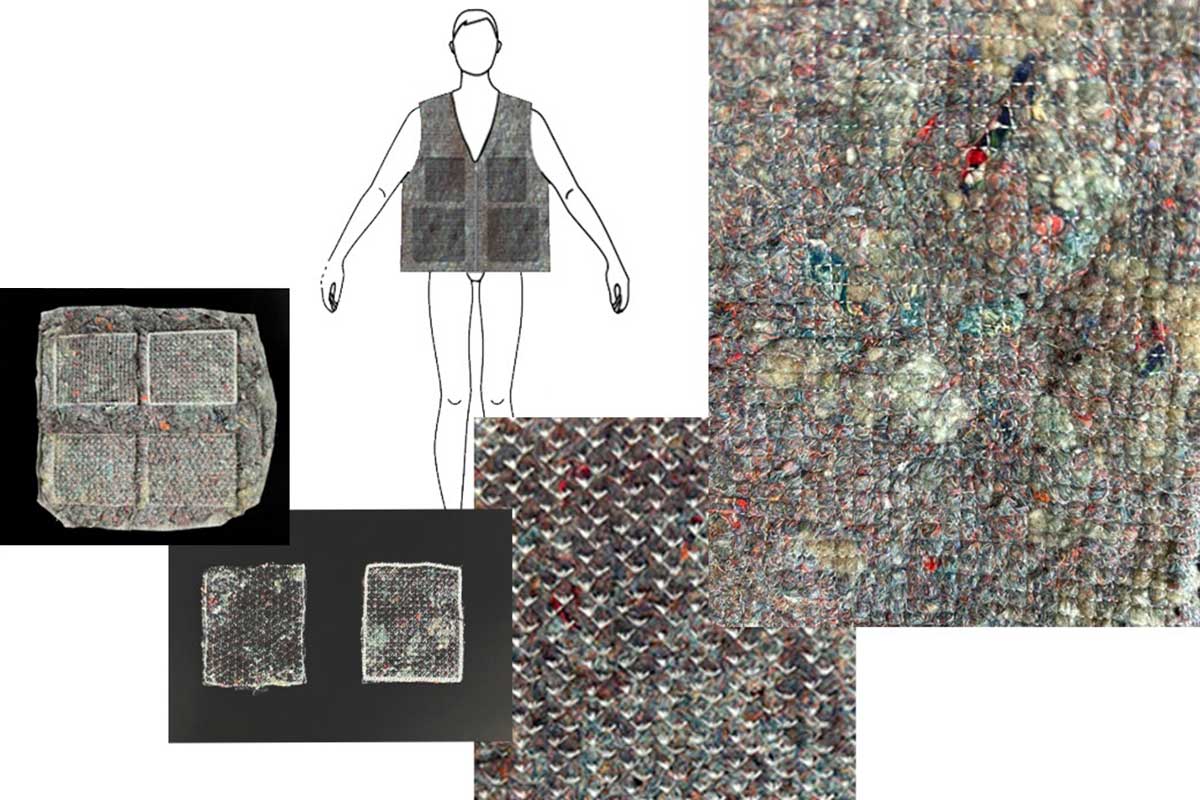
In line with this approach, the laboratory also focuses on the transformation of textile waste, repositioning it as the starting point of the design process. Through digital tools and laboratory experimentation, discarded materials are reintroduced into new creative value chains and transformed into innovative textile systems - such as filaments for 3D printing or structural modules produced through digital embroidery to stabilize and enhance recycled fibers. This methodology fosters a form of eco-augmented craftsmanship, where manual expertise and material sensitivity merge with digital technologies, expanding creative potential without relinquishing human oversight of the process. In this perspective, digital technology functions not merely as an operational tool but as a strategic lever for rethinking supply chains, optimizing resources, and enabling more responsible production models.
© CFTLAB_Collaborative_Robotics
Together, these two complementary directions demonstrate how design can operate across the entire innovation cycle - from material research to manufacturing processes - reshaping contemporary production logics and generating new forms of environmental, technological, and cultural value. In this framework, design becomes a space of integration between biological, digital, and project-driven dimensions, outlining new models of production and transformation capable of combining sustainability, innovation, and responsibility.
Tag: Politecnico di Milano Milan new materials fashion Technology News
© Fuorisalone.it — All rights reserved. — Published on 18 February 2026
 Iscriviti alla nostra newsletter