From Ricardo Bofill to Lina Bo Bardi, from Gio Ponti to Carlo Scarpa: a selection of books exploring the great masters through images, archives and new perspectives on design
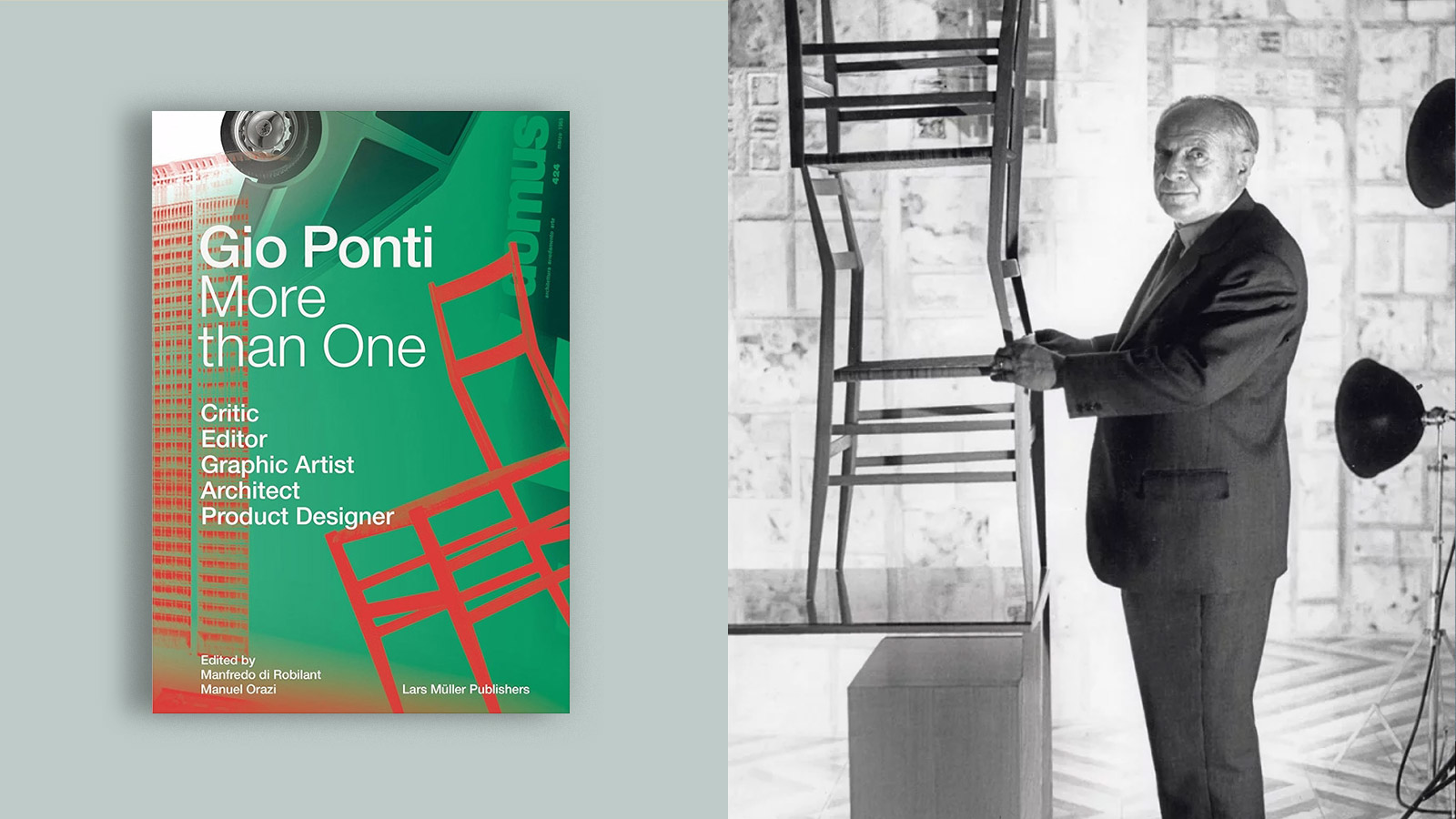
Gio Ponti: More than One
Edited by Manfredo di Robilant and Manuel Orazi
Lars Müller, 2025
Gio Ponti: More than One offers a fresh and engaging portrait of one of the most eclectic figures of Italian modernism. Rather than presenting a conventional biography, the book explores the many sides of Ponti’s creativity, showing how his work moved fluidly between different roles: critic, editor, graphic designer, architect, and product designer.
Across 288 pages and nearly 300 images, the volume stands out for both the depth of its research and its rich visual content. Alongside essays by historians and critics such as Elena Dellapiana, Fulvio Irace, and Gabriele Neri, the book brings together a remarkable range of archival materials — from photographs to project drawings — that make the breadth of Ponti’s work immediately tangible. The result is a vivid overview of a career shaped by constant experimentation and by an ongoing dialogue between ideas, disciplines, and contexts.
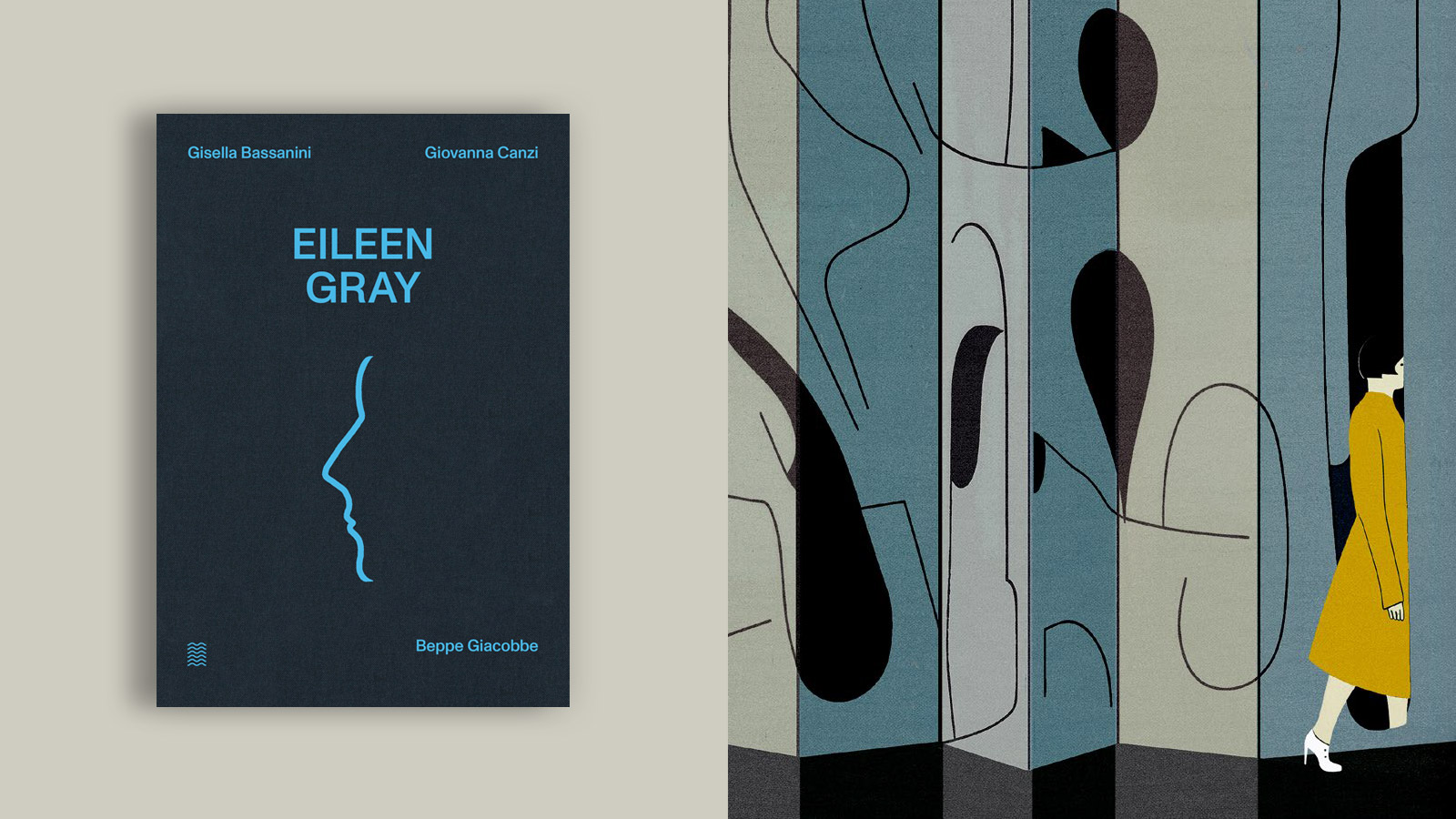
Eileen Gray. Una biografia illustrata
Words by Gisella Bassanini and Giovanna Canzi, Illustrations by Beppe Giacobbe
Marinoni Books, 2026
Eileen Gray. Una biografia illustrata is the second volume in the “Fuori dall’ombra” series by Marinoni Books, an editorial initiative that shines a light on women who have long remained at the margins of official histories.
After their book on Charlotte Perriand, Gisella Bassanini and Giovanna Canzi turn to Eileen Gray. Born in Ireland and educated between London and Paris, she moved across art, design, and architecture with a fiercely independent spirit. In a male-dominated world, she chose not to align herself with powerful studios or celebrated figures. The partial loss of her archive only reinforced her elusive presence.
Through a carefully balanced dialogue between text and Beppe Giacobbe’s illustrations, the book restores depth to a designer who now stands as a vital figure in the story of modern design.
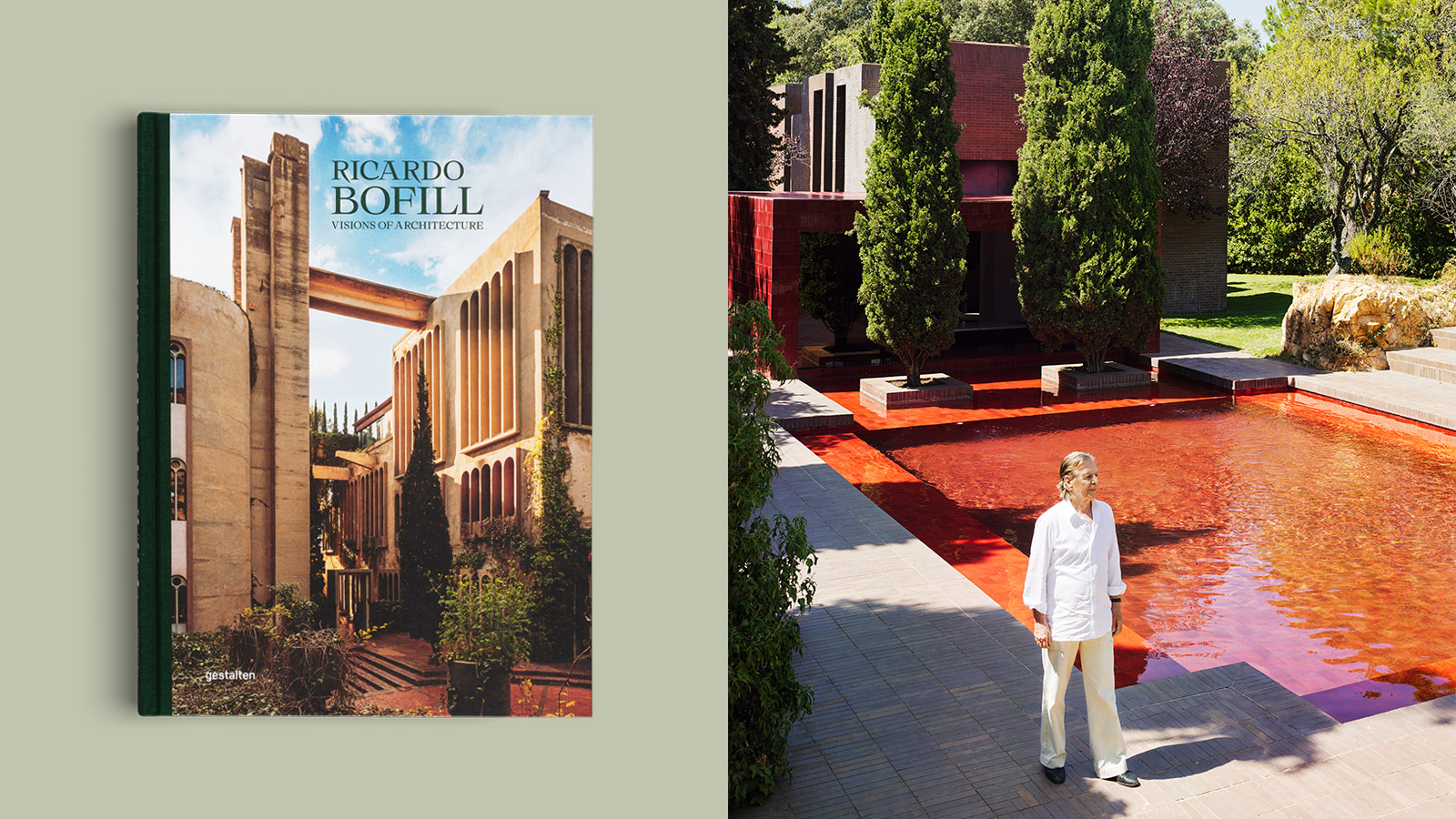
Ricardo Bofill: Visions of Architecture
Gestalten, 2025
The new edition of Ricardo Bofill: Visions of Architecture brings together, in a sumptuous volume, the career of one of the most unique and visionary architects of the twentieth century. The book explores Bofill’s radical approach to form and space, placing architecture in dialogue with life and with the idea of housing as utopia. Through iconic projects such as La Fábrica, Walden 7, La Muralla Roja, and Abraxas, it traces a vision of architecture that challenges convention and proposes alternative ways of imagining the city and community.
Organized into thematic sections, Visions of Architecture combines critical essays by voices like Nacho Alegre and Douglas Murphy with original sketches, floor plans and spectacular new photographs by Salva López. This rich interplay of images and narrative not only highlights the visual power of Bofill’s work, but also reveals the depth of a design philosophy capable of weaving together poetry, color, and memory within the built environment.
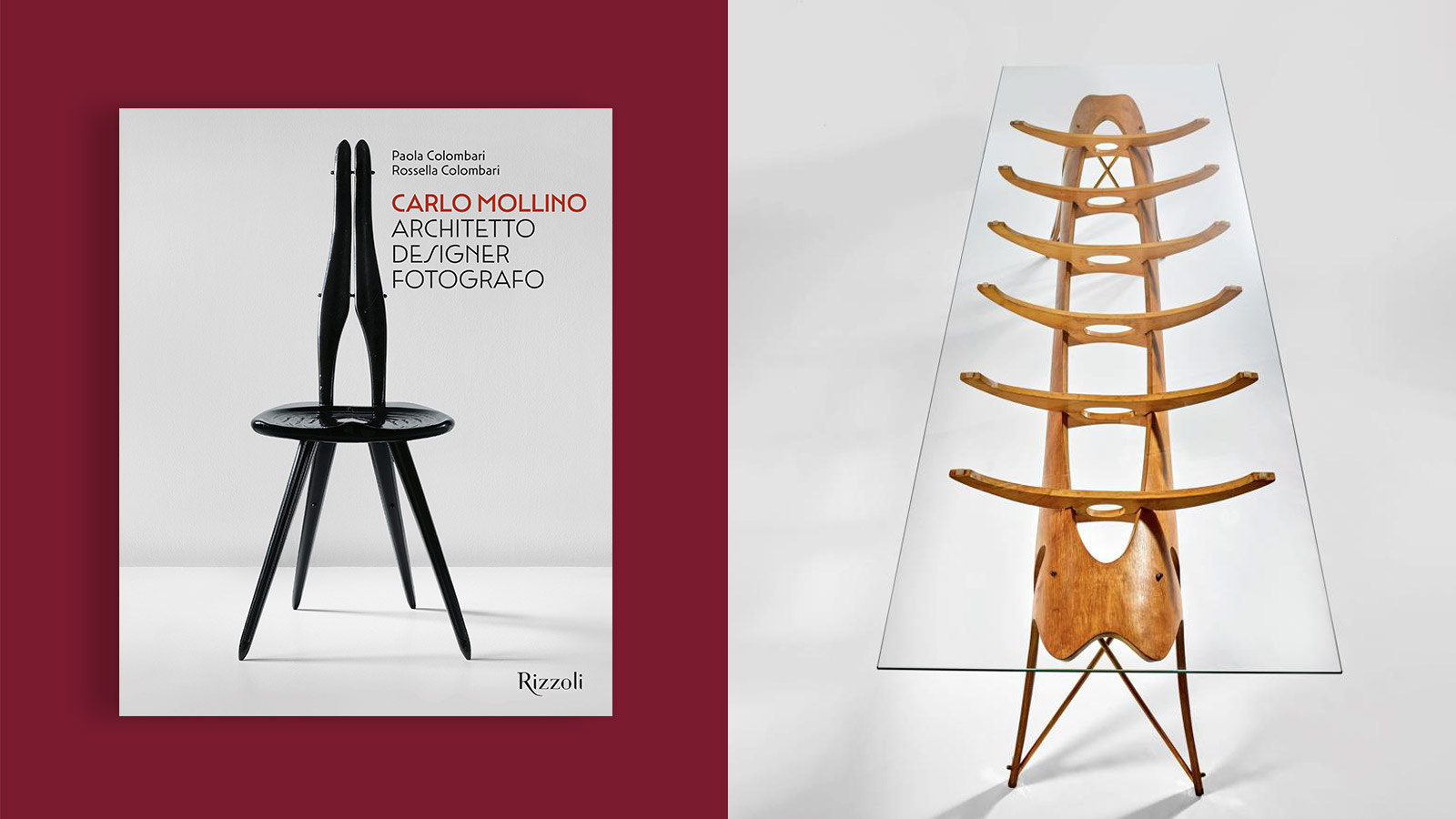
Carlo Mollino. Architetto, designer, fotografo
Paola e Rossella Colombari
Rizzoli, 2025
Carlo Mollino. Architetto, designer, fotografo by Paola and Rossella Colombari, draws on the experience of the two Turin-based gallerists, who have played a decisive role in bringing Mollino back into focus. The book examines one of the most enigmatic figures of twentieth-century Italy, portraying an unclassifiable creative mind who fused architecture, design, and photography into a deeply personal vision. A visionary experimenter, Mollino moved fluidly between worlds – from mountains to speed, from writing to his female muses – maintaining a constant tension between formal rigor and dynamic expression
Structured through a thematic narrative, each section explores a different dimension of his creative universe, supported by a rich selection of archival images that underscore the intensity and originality of his work.
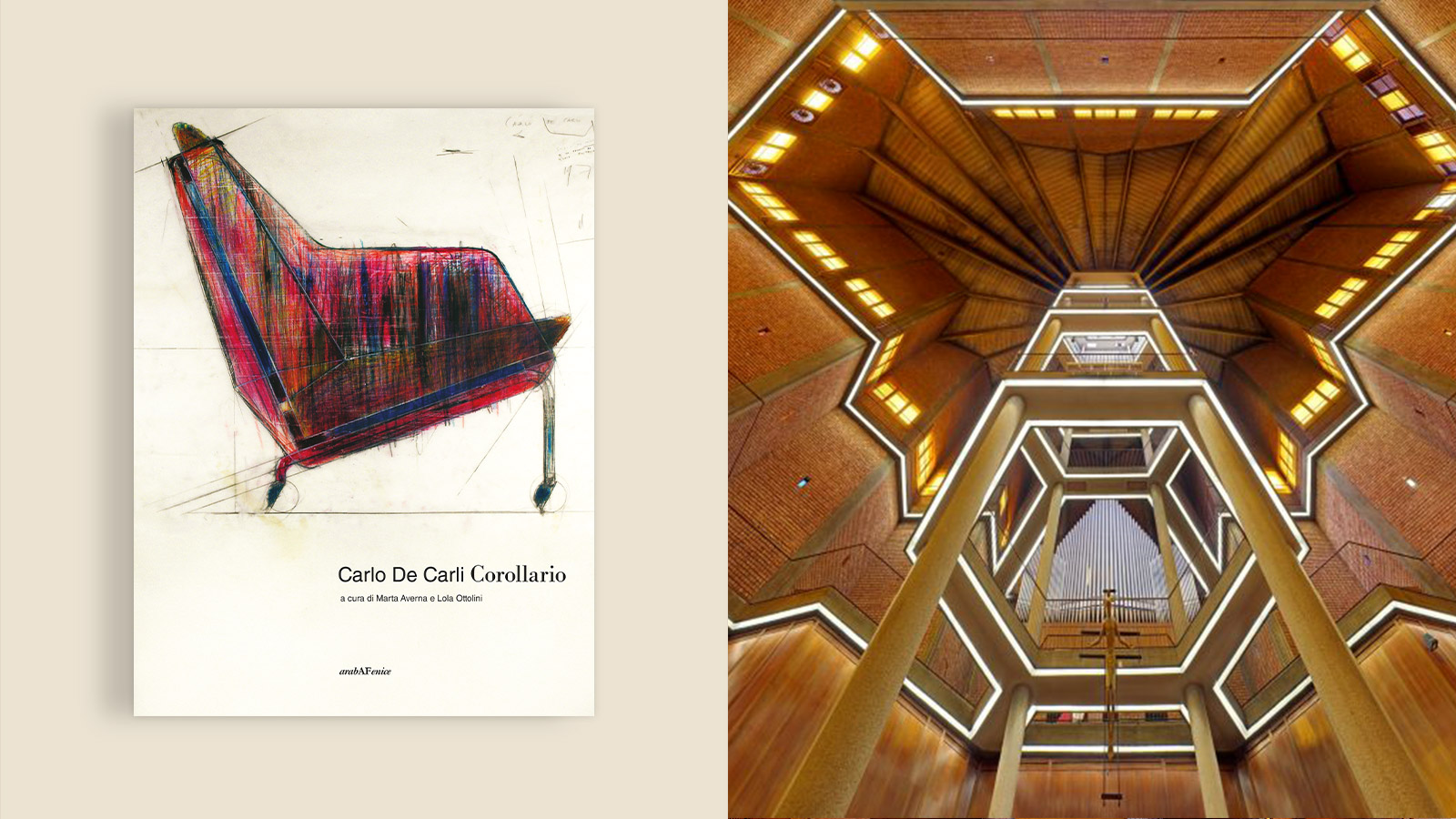
Carlo De Carli. Corollario
Edited by Marta Averna and Lola Ottolini
Araba Fenice edizioni, 2026
Carlo De Carli. Corollario is a book developed in continuity with the exhibition of the same name presented in 2025 at the Politecnico di Milano. In the exhibition, the “corollaries” were key structural elements; in the book, they become tools of inquiry, guiding readers through the research paths and body of work of Carlo De Carli, a fully rounded figure: architect, designer, theorist, dean, professor, editor, and tireless advocate of twentieth-century Italian design culture.
Through critical essays by Claudio Camponogara, Margherita De Carli, Yuri Mastromattei, Gianni Ottolini, and Roberto Rizzi, along with unpublished materials, the publication reconstructs the architect’s design thinking. From the founding idea of Spazio Primario – where only the human gesture of relationship gives meaning to objects and spaces – to his writings, from architecture to furniture design, from teaching to painting, the book traces the breadth of a coherent and far-reaching vision.
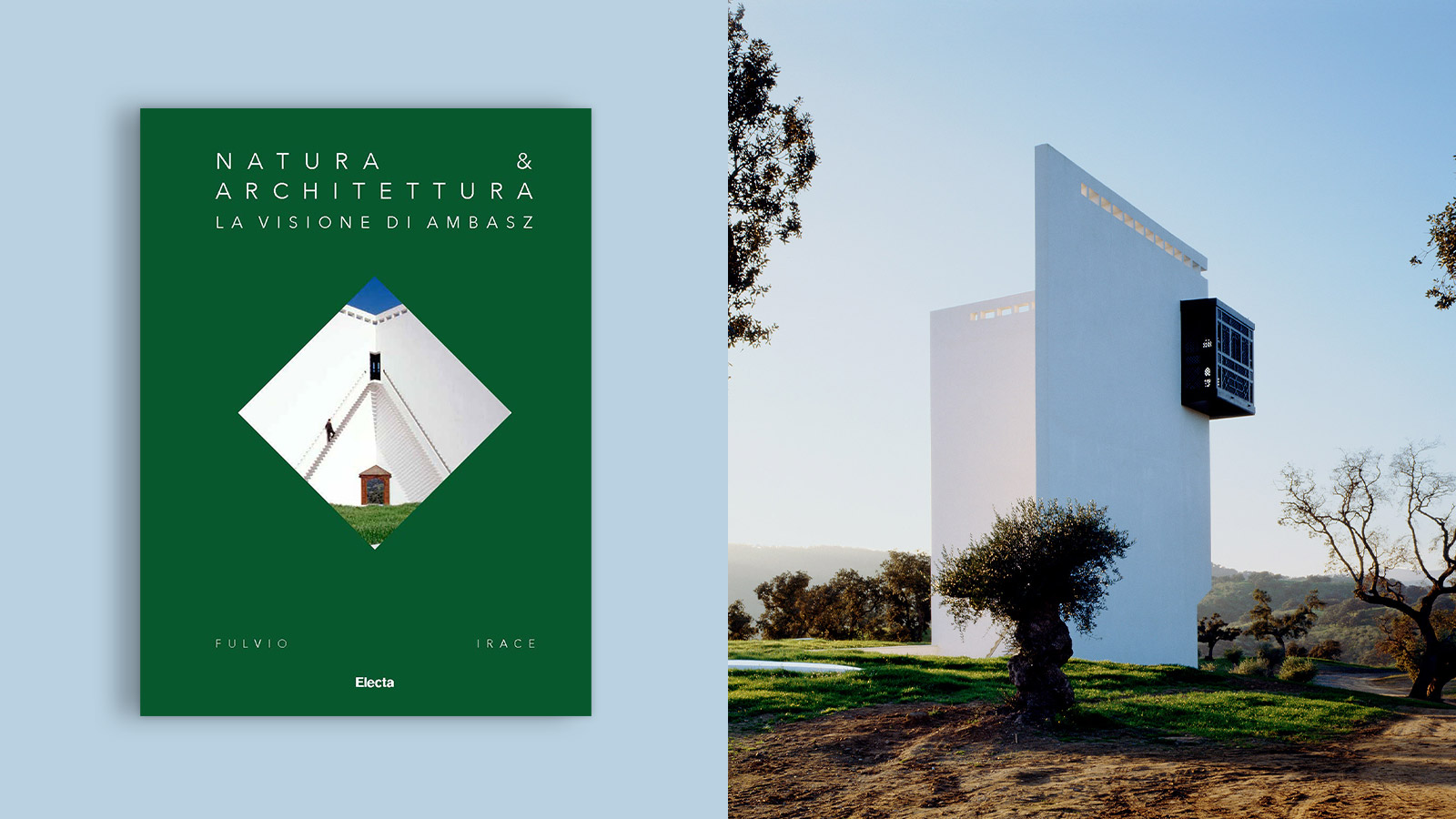
Natura & Architettura. La visione di Ambasz
Fulvio Irace
Electa, 2025
Often described as the “Messiah of green architecture,” Emilio Ambasz redefined the relationship between the built environment and nature long before sustainability became a central theme in contemporary debate. His work advances a radical idea: giving back to the community, in the form of gardens and parks, 100 percent of the land occupied by buildings. Once dismissed as visionary or eccentric, Ambasz is now widely recognized as a true pioneer of sustainable design.
Organized into eight chapters and an epilogue, the book traces this vision through landmark projects such as the Fukuoka Prefectural Hall and the Casa de Retiro Espiritual, alongside a selection of unrealized proposals from the 1970s and 1980s. It is in these lesser-known works that the coherence of his thinking emerges most clearly, revealing the depth of the “Ambasz vision” and his enduring commitment to restoring balance between nature and architecture.
Tag: Books Architecture Gio Ponti Design Review
© Fuorisalone.it — All rights reserved. — Published on 04 June 2026
 Iscriviti alla nostra newsletter