Innovative gaming experiences, augmented reality and technology. Discover the vision of the multidisciplinary team behind a new way of experiencing board games
Behind Teburu is Xplored, an Italian company that has been exploring the intersection of gaming and technological innovation for over twenty years. Its multidisciplinary team of around 40 people brings together expertise in mechanical and electronic engineering, computer science, art, design and music. The team comes from across Italy and from different parts of the world, including California, the UK and Australia.Since the early 2000s, Xplored has been developing innovative gaming experiences based on enhanced interaction, ranging from virtual reality video games to toy robots and smart toys, all powered by proprietary patented technologies. Over the years, the company has worked as a creative and technology partner with some of the leading Italian and international brands in the gaming industry, including Hasbro, Bandai Namco, Ravensburger, Mattel, Giochi Preziosi and Clementoni. This experience eventually led the company to take on the market directly by developing its own products.
Teburu was born from this expertise in physical-digital innovation and a shared passion for board games. It is a new ecosystem combining physical components and digital technology, with the aim of making the gaming experience more accessible, intuitive and engaging.
We sat down with Davide Garofalo, CEO of Xplored, to learn about the vision behind the project, the design challenges, and the future prospects of the board gaming industry.
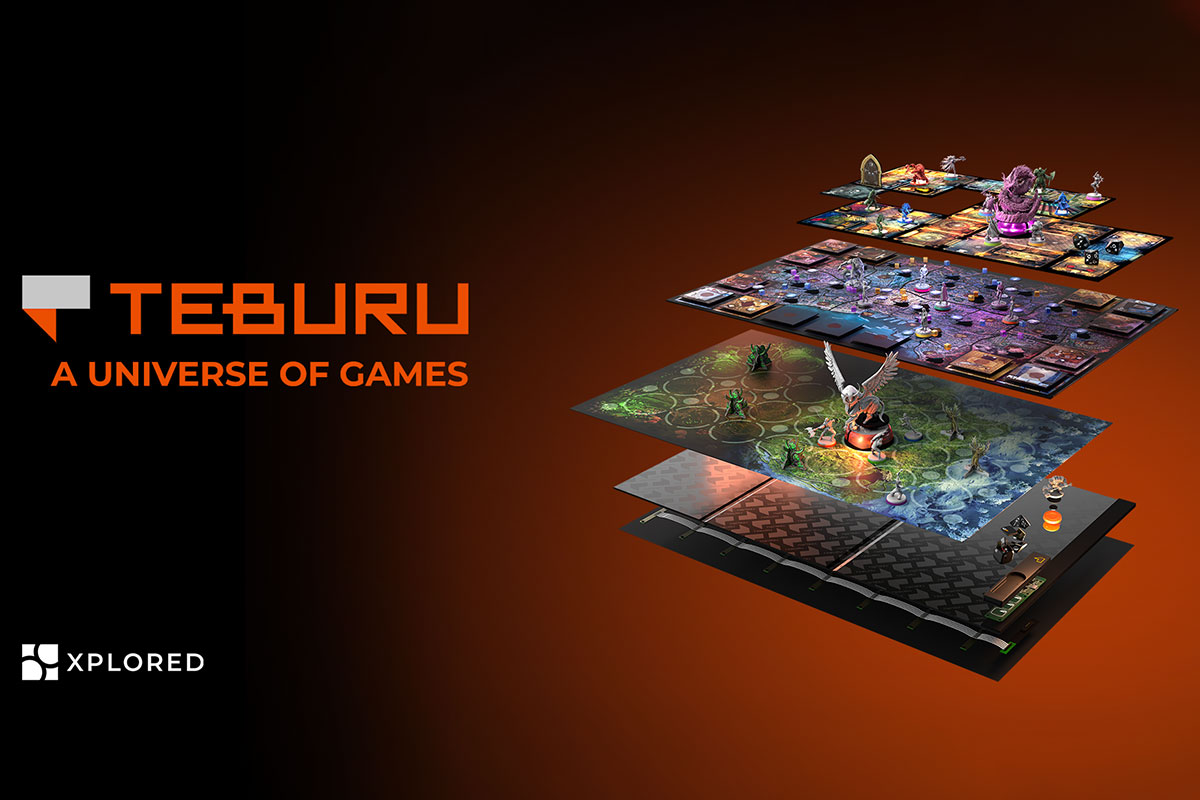
Teburu brings together physical gameplay and digital technology. From a design perspective, what was the main challenge: adding technology to board games or making it almost invisible, keeping the table at the centre of the experience?
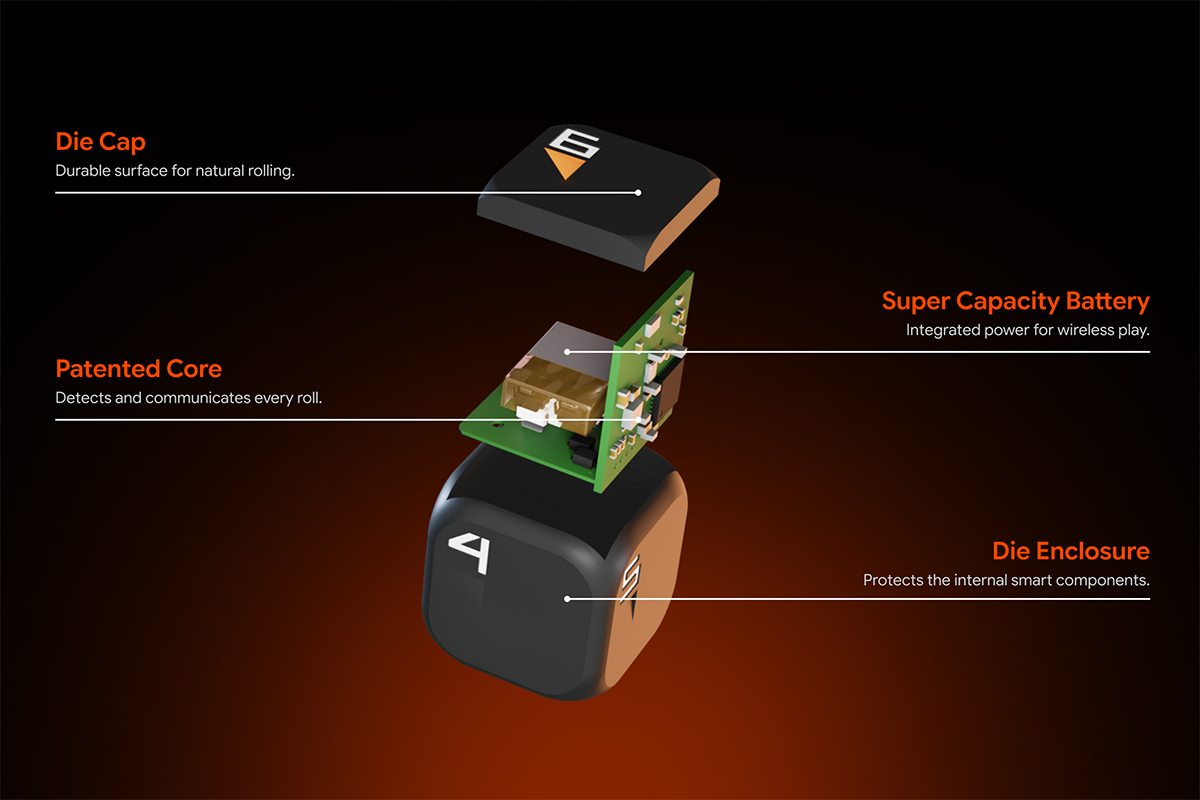
Both were important challenges. The first concerned industrial design. It required years of research, experimentation and prototyping, but ultimately allowed us to patent an innovative technology that is also easy to manufacture at scale. The goal was to create a highly functional and modular product, designed to last over the years while continuing to evolve.
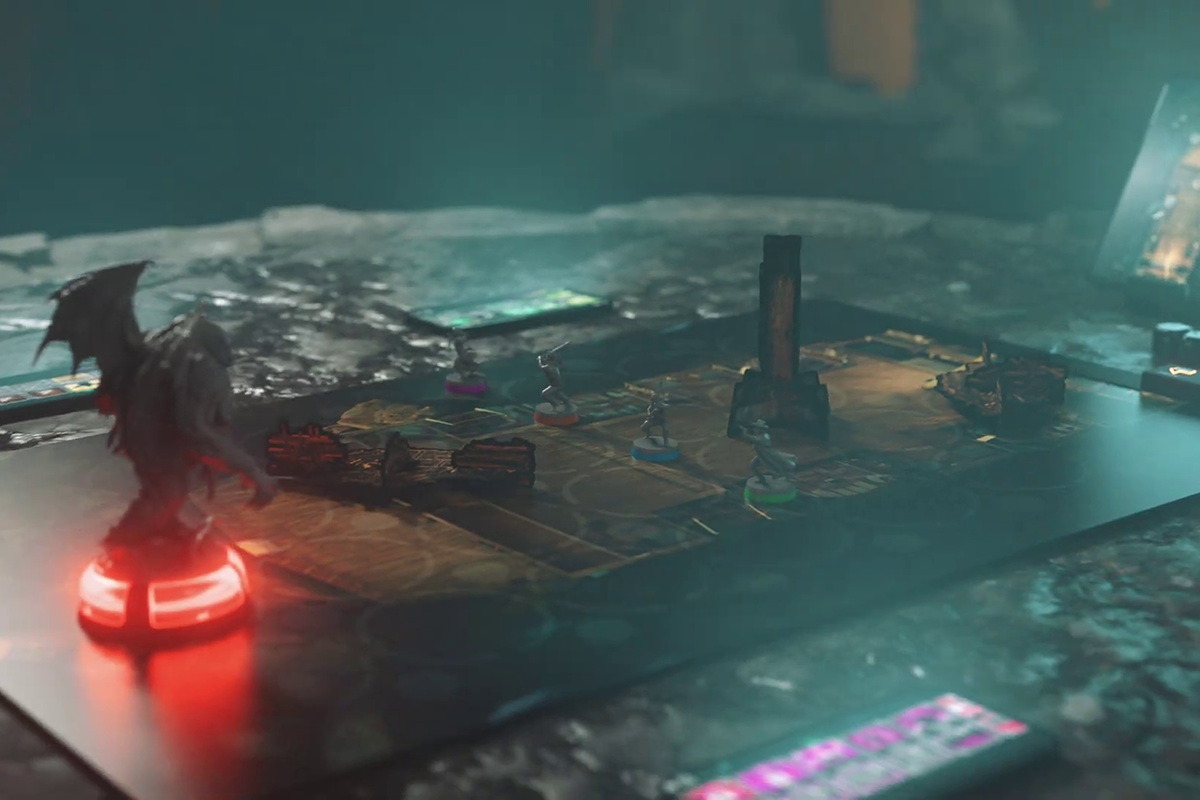
The second challenge concerned UX design, or user experience design. It is a challenge that comes up again with every new game we design and develop for our ecosystem: solutions that work perfectly well in a video game may be unsuitable for the tactile and social interaction that characterises board games. Similarly, traditional design solutions used in analogue games can prove limiting when compared to the countless opportunities offered by Teburu.
After a major resurgence in board gaming in recent years, perhaps the market has now reached a point of maturity. How do you see the future of this form of entertainment?
Board games have existed for thousands of years and will continue to do so. Today, the industry is experiencing a particularly thriving period and, as you say, is reaching a stage of maturity. I believe this is a positive development, as it allows many talented people to turn their passion into a profession and encourages products to reach increasingly high quality standards. There is no doubt that analogue games will continue to entertain people of all ages. I personally own over 500 games and will never stop exploring, collecting and playing them, because it is a healthy activity that brings me joy. At the same time, technology will offer creators increasingly greater opportunities to conceive, develop and bring to life new and different products that are ever more accessible and engaging. These range from narrative companion apps and musical soundtracks to digital versions of the most popular board games, games featuring augmented reality elements, and finally the physical-digital integration offered by Teburu, which probably represents one of the most advanced innovations currently available on the market. As for Teburu specifically, its future looks very promising.
There are already five different game collections developed for the system, featuring cooperative and competitive experiences, fantasy and horror settings, and stories based on both original concepts and licensed properties. Each collection already offers expansions and accessories that further enrich the core game.
In the coming years, the number of titles will continue to grow at an increasing pace, also thanks to collaborations with partners such as Paradox, Hasbro and many others.
Beyond being a form of entertainment, board gaming is a language in itself. How could companies and institutions use it today to achieve their goals?
Gamification for public bodies and private institutions was Xplored's core business for many years. Since the very early 2000s, I have firmly believed in, and actively supported, the idea that the language of play could be the key to transforming communication, information and training through more engaging learning processes.
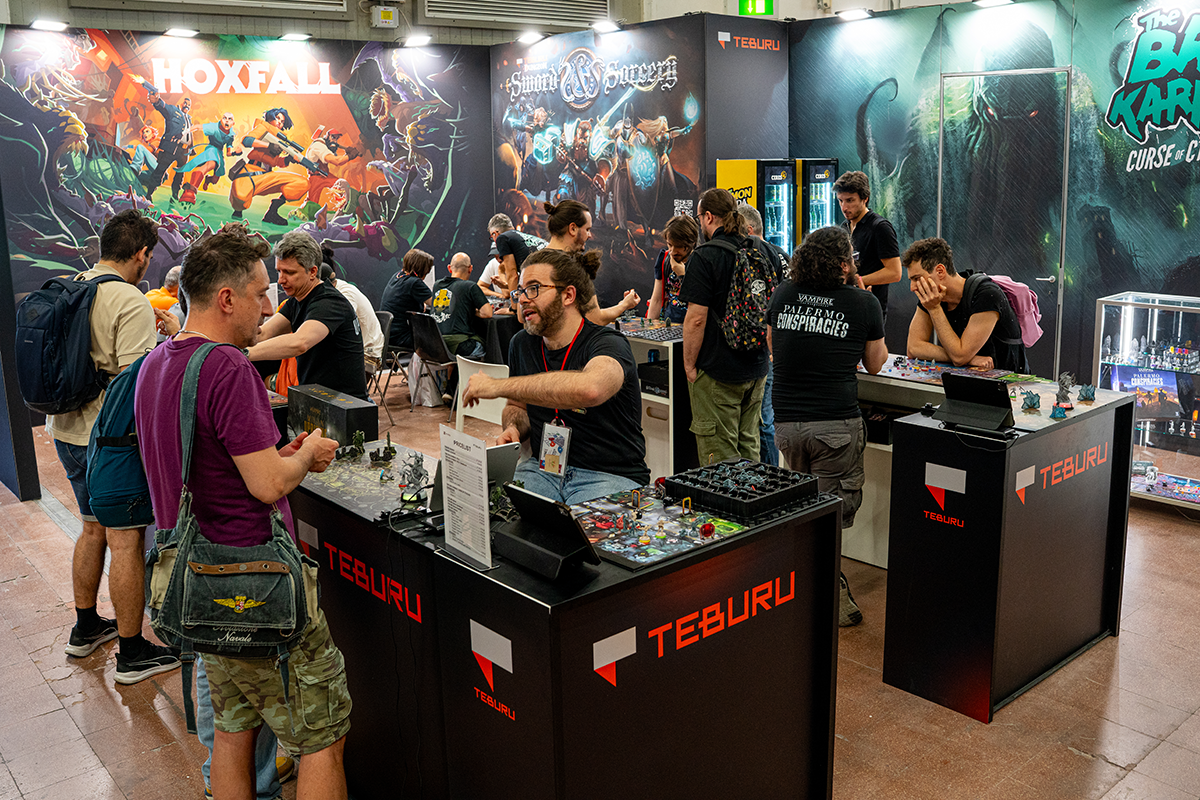
Today, Teburu is also beginning to attract interest from institutions as a tool for tactile and social simulation, supporting complex decision-making and staff training on business processes. It is also being used in specialised courses in gaming and design. After all, as the ever-relevant popular saying goes: you learn by playing.
Tag: Giochi da tavolo Technology Interviste
© Fuorisalone.it — All rights reserved. — Published on 12 November 2026
 Iscriviti alla nostra newsletter