Through light and experimentation, Nanda Vigo’s interiors redefine the relationship between art, architecture and design
“The house of tomorrow will be made of light.” When Nanda Vigo wrote these words in 1968, she envisioned an architecture that could transcend its physical boundaries, turning domestic space into a perceptual experience. Light, mirrors, reflective surfaces and colour became tools for altering our perception of space, challenging established ideas of domestic life and reshaping the relationship between people and objects. This vision lies at the heart of Nanda Vigo. Interiors. La metafisica del quotidiano, a 496-page volume published by Birkhäuser and edited by Silvia Groaz. The book traces Vigo’s architectural practice across disciplines and scales, from private residences and experimental environments to exhibitions, stage sets, furniture and film.
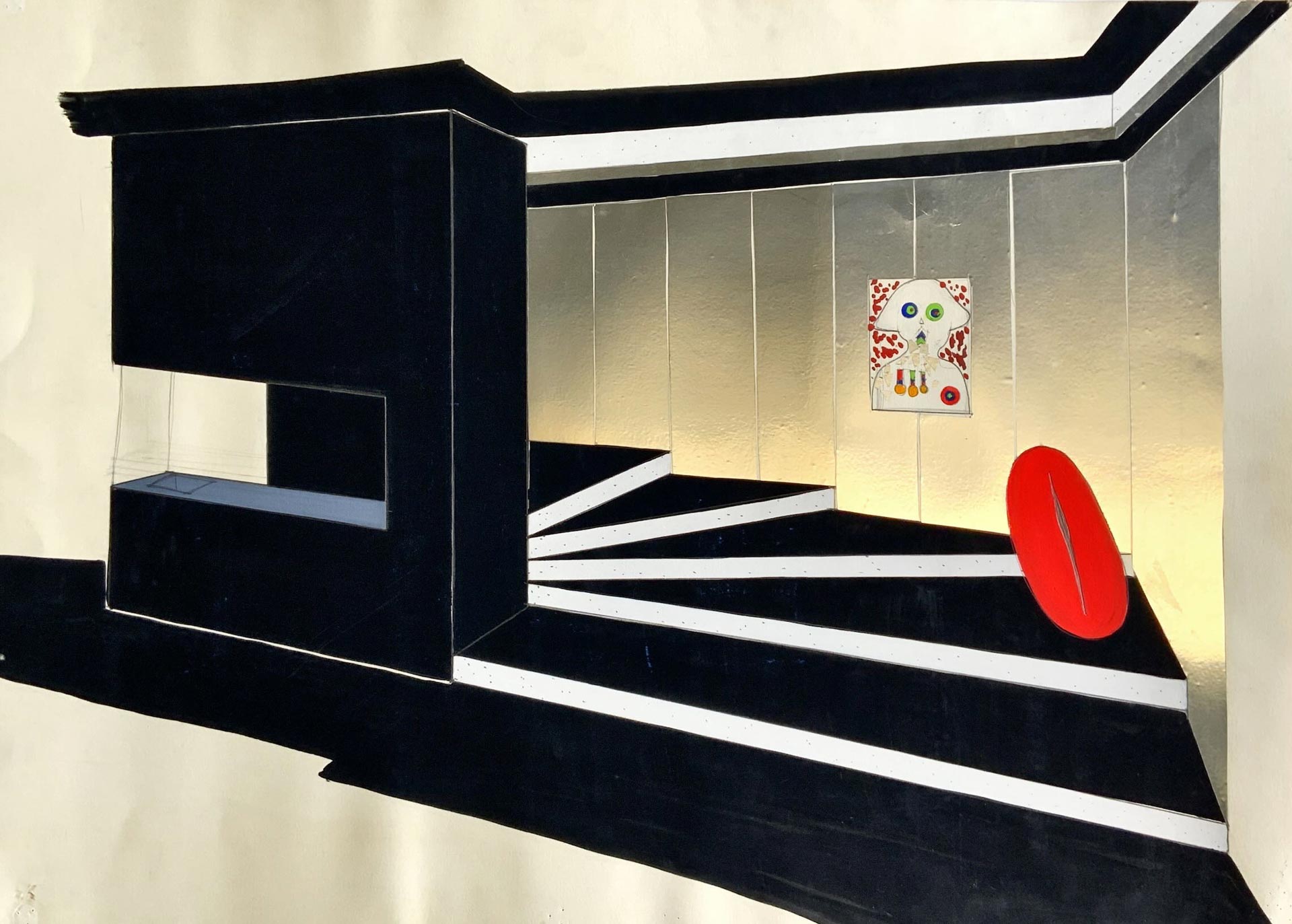
A leading figure of Milan’s 1960s avant-garde, Nanda Vigo (1936–2020) spent more than five decades working across boundaries that rarely contained her practice. Her work moved between kinetic and programmed art, architecture, design and radical experimentation, shaped by collaborations and exchanges with figures such as Lucio Fontana and the artists of the ZERO group. Yet while her artistic work has received considerable recognition, her interiors remain a relatively unexplored aspect of her legacy. This publication brings that dimension into focus through archival documents, previously unpublished drawings, historical and contemporary photographs, and first-hand accounts from craftspeople, collaborators, friends and those who lived in the spaces she designed.
What emerges is a vision of domestic life far removed from conventional notions of interior design. For Vigo, a home was never simply a functional arrangement of rooms, but a space to be experienced and interpreted. Objects shed their familiar identities, surfaces alter spatial perception, and light and materials create atmospheres suspended somewhere between reality and imagination.
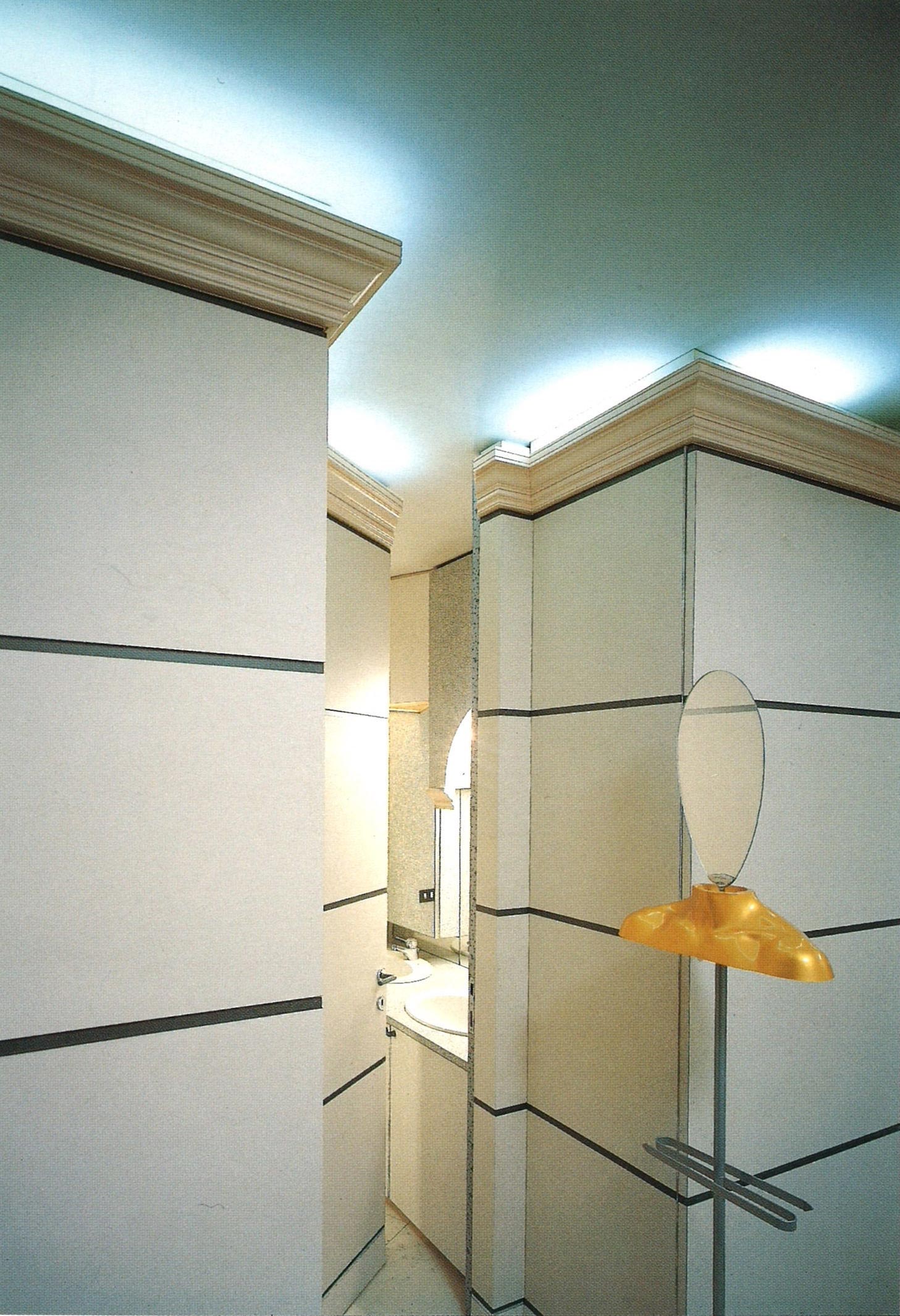
Among the projects that embody this approach is Uno scarabeo sotto una foglia (A Beetle Under a Leaf), a private residence built in Malo, near Vicenza, between 1964 and 1969. Designed by Gio Ponti, with interiors by Vigo, the house explores the dialogue between architecture, art and domestic space. A different expression of this same vision can be found in Blue Habitat-Casa Blu, an apartment designed in 1967 in Milan’s San Siro district for Waifro Spaggiari, in collaboration with Franco Fiorio. Both projects reveal Vigo’s determination to move beyond the conventions of interior decoration, treating domestic space as a field for experimentation and perceptual exploration.
The idea of a “metaphysics of everyday life”, which gives the book its subtitle, captures this tension between the tangible realities of domestic life and the desire to transcend them. It is an approach that evolved across decades and aesthetic movements, from the experiments of the 1960s to encounters with postmodernism and pop culture, while remaining rooted in the belief that space could be a transformative experience. The book explores this evolution through three sections: Constellations, Context and Ephemera. The first maps the different trajectories of Vigo’s practice; the second situates her work within the cultural and professional landscape of the second half of the twentieth century; and the third brings together archival material documenting interiors that have since been altered, disappeared or remained largely unknown.
First-hand accounts also reveal what it was like to inhabit these spaces, showing how Vigo’s experiments became part of the everyday lives of those who lived in them. In doing so, the book brings a defining aspect of her practice into focus: her ability to turn domestic space into a laboratory of ideas, where architecture, art and design cease to exist as separate disciplines. It also invites us to reconsider her work through a question that remains just as relevant today: how far can the spaces we call home shape the way we perceive and experience reality?


 Iscriviti alla nostra newsletter